FOOD GUARDING
PREVENTING AND FIXING FOOD GUARDING IN DOGS

Food is REALLY important to dogs. Left to their own devices most of their waking hours would be spent looking for and eating food, and they would spend the rest of their time sleeping and digesting food. Guarding food from other dogs, other animals, and even people is a natural dog behaviour, a survival tactic even. Unfortunately a very common problem for dog owners is that their dog growls if people approach him while he is eating, and this can escalate to snapping or biting. We need to teach our dogs that they don’t have to guard their food from us.
FOOD GUARDING FROM A DOG’S POINT OF VIEW
Snoopy loves mealtimes, he can’t wait for his dinner to come and he’s not planning on sharing! Up until now Snoopy’s people have put his food bowl down and left him to eat in peace but Snoopy’s people have just read that you should be able to take food away from your dog and as their baby is now a free ranging toddler they decide to see how ‘good’ Snoopy’s food manners are. Snoopy’s male owner strides over to the bowl while Snoopy is eating, Snoopy is a bit worried as this is unusual. The male owner reaches down and tries to take Snoopy’s bowl which makes Snoopy gobble his food down really fast, but he’d nearly finished anyway. The next day the male owner puts Snoopy’s food down, leaves the room, then walks back in. Snoopy is worried the male owner will take his food again so he stands over the bowl and gives a little growl. The male owner has read that he should hit Snoopy if he growls so he knows who is in charge so he smacks Snoopy on the nose and takes the food away. This happens most evenings for a few days, even the female owner has started taking his food away. Every time he is fed Snoopy gets more and more worried as his people not only steal his food, they hit him as well. Finally Snoopy is so worried that he growls and growls and when the female owner moves her hand to hit him he snaps at her. She doesn’t move quickly enough and his teeth sink into her hand. Snoopy didn’t mean to bite, just to scare her away from his food…but she’s straight on the phone to the vet, “Enough is enough,” she says, “next time it could be our toddler’s face!”
FIXING FOOD GUARDING IN DOGS
Luckily when Snoopy’s owner called the vet she was given the number of a COAPE behaviourist who agreed to come out and see Snoopy. They discussed how to keep the toddler safe while Snoopy learnt new food manners and how Snoopy’s owners would change their behaviour at feeding time. Various options were discussed and tried including hand feeding, scatter feeding, and adding tasty treats to the bowl. It took several weeks of patient practice but before long Snoopy began to trust his owners again. He stopped growling and would sit it they approached his bowl in the hope of getting an extra treat. Because food guarding can have serious consequences we aren’t going to tell you exactly how to fix it here. It is safer for a behaviourist using modern, dog fair techniques to visit and assess your dog. Our vet Vicky is a COAPE behaviourist and is happy to help with this as well as other behavioural issues.
(Snoopy isn’t a real case, he’s just an all too typical example!)
PREVENTING FOOD GUARDING IN DOGS
Prevention is always better than cure. What if Snoopy’s owners had done things differently when they brought him home?
Snoopy’s owners did lots of research before bringing him home, and they spoke to COAPE behaviourist about how to teach him manners around his food. The behaviourist told them they should use his food ration to help train him instead of using lots of treats. Snoopy’s owners held the bowl and when Snoopy did clever things like sitting, or peeing outside, or coming when they called they would feed him from their hands. Being a puppy Snoopy would occasionally get a bit excited and nip his owners when taking the food. When this happened he wasn’t offered any more until he calmed down; Snoopy soon learned to be gentle with his mouth. After a while Snoopy’s owners needed to use less food for training and Snoopy was allowed to eat by himself from the bowl more often. Sometimes they came over to his bowl and added tasty things like bits of chicken. Now when Snoopy sees people coming towards his bowl he steps back to give them lots of room to add treats.
ZOOPHARMACOGNOSY
ZOOPHARMACOGNOSY- SELF HEALING OR SNAKE OIL?
Zoopharmacognosy is the latest buzz in the complementary treatment of cats and dogs. There are courses in it for pet owners, and some claiming to certify you to offer the service to others. There is also letter in the Vet Times encouraging vets to get involved. So, is this a treatment you should consider with your pets?
WHAT IS ZOOPHARMACOGNOSY?
Zoopharmacognosy means animals self selecting medicinal plants or minerals to cure themselves of illness. Scientists have observed several animal species using naturally occurring plants or minerals when unwell. The two most commonly cited cases are that of elephants with diarrhoea seeking out a special type of clay to eat and sick chimpanzees eating bitter and mildly toxic leaves to treat parasite infestations. In our domestic animals we see cats and dogs chewing grass; as this often induces vomiting it has been suggested they eat the grass when feeling sick to help remove toxins or parasites from the gut. otherwise evidence for this type of medicine in companion animals is largely anecdotal. Yes, rabbits will often choose dandelion leaves over grass when they have gut stasis, but we can’t know if they are seeking out the gut stimulating bitters in the herb, or whether being offered a favourite food is why they choose it. There is also a story of a worm infested dog choosing an onion over and apple and never touching an onion again; was he really trying to rid himself of worms, or did he make a bad choice and decide onions weren’t tasty? How did he know that the dose of onion he took was safe (as onions are quite toxic to dogs).
IS ZOOPHARMACOGNOSY SAFE AND EFFECTIVE?
This is an important question and hinges on our domestic pets still being able to detect toxic plants from safe plants, and knowing when to take mildly toxic plants and in what doses. The experience of most general practice vets would be that domestic pets aren’t that good at it; we’ve all treated dogs, cats, and small pets which have eaten toxic house or garden plants, unsuitable vegetables, toxic substrates such as cocoa mulch, and garden bulbs. Part of the safety element relies on the therapist only offering safe plants, and then knowing what dose is suitable for the animal. Another element is the form in which herbs are presented; we know that horses won’t ingest toxic ragwort when it is growing (unless they are starving) but readily ingest it in hay. Plants may be safe whole and dried, but their refined essential oils much less safe, especially for cats. Finally herb quality must be considered; not all suppliers check the quality of raw ingredients and there have been cases of contamination and substitution, even in big high street brands!
If zoopharmacognosy is practised then it should only be offered by experienced trained herbalists. The many courses are as yet unregulated making it hard for owners to know what level of understanding a practitioner has. The practitioner needs an in depth knowledge of herbal medicines, animal physiology, and conventional drugs- as many herbs interact with conventional medication. We feel that non-veterinary practitioners should work under the supervision of, and on referral from a vet (as with other valued paraprofessionals such as physios, behaviourists, hydrotherapists and massage therapists). Sadly the Vet Times letter suggests that Zoopharmacognosists don’t have to have veterinary referral (an issue we are clarifying with the RCVS).
In conclusion, whilst we are BIG fans of herbal medicine, and find it effective in a wide range of cases we will continue to recommend that you seek out a diagnosis by a vet, and that any herbal treatments are prescribed by a vet trained in herbal medicine. If you do decide to see a Zoopharmacognosy practitioner ensure your vet is involved in case of any reaction or interactions.
HOME ZOOPHARMACOGNOSY
Despite our concerns about this therapy (which is in it’s infancy and may prove useful with more research and safety considerations) there is some fun you can have with self selection at home! Plant a range of tasty treats for your pets to nibble on if the fancy takes them…this is especially useful for indoor cats and rabbits.
Rabbits and guinea pigs: try dandelion, chicory, fennel, mint, and french marigold.
Cats: try valerian, catnip (these two have opposite effects so don’t plant them too close!), lavender, and cat grass (a type of oat).
Dogs: try fennel, mint, parsely, lavender, cat grass, and cleavers (goose grass).
WHAT WE DO
WHAT WE DO AND WHY WE DO IT!
People can be confused by the term ‘holistic’, especially as it seems to be used to sell just about everything. So what does it mean at Four Seasons Holistic Veterinary Care?
HOLISTIC VETERINARY CARE
Holistic care is characterized by the treatment of the whole animal, taking into account mental and environmental factors, rather than just the symptoms of a disease.
Animals are usually referred for holistic assessment and treatment because they have complex, multiple, or chronic conditions.
We will ask questions about your pet’s diet, exercise, and mood state as well as the main symptoms. All too often a chronic illness means a pet can’t take part in the activities it used to enjoy and a low mood state or poor quality of life can make managing a disease more difficult. We often make changes to what,or how a pet is fed as well as using appropriate games, training and exercise to improve their mood as well as using acupuncture or herbal medicine.
Holistic also means that we use a wider variety of treatments than most primary care practices; we offer herbal medicine, acupuncture, and physical therapy as well as advising on diet, lifestyle, supplements, and behavioural modifications.
HOLISTIC VETERINARY CARE CASE STUDY: THE DEPRESSED PUG
A pug was referred to Four Seasons after diagnosis of a degenerative spinal condition. His pain was well controlled but he seemed to have lost all his spark and his owners were considering euthanasia. A detailed discussion revealed that as his mobility was poor the owners were taking this pug out on his own, then taking the other pugs for their usual walks. It seemed that the pug had a low mood state because he was missing out on walks with his friends. The solution was two-fold; herbs with a proven effect on improving mood and perhaps more importantly getting the pug back with his mates. His owners bought a ‘dog pushchair’ so he didn’t have to do the whole walk and let him out to sniff around with the others. In no time at all his cheerful personality was back and an integrated approach from his referring vet and our vet made a huge difference.
TURMERIC- WONDERHERB?

TURMERIC: WONDER HERB OR OLD WIVE’S TALE?
It seems you can’t look on any dog care site at the moment without being told how wonderful Turmeric is and some owners are buying huge stocks of turmeric powder and making up wonderful concoctions. But is it a cure all, and can it do harm?
GREAT THINGS ABOUT TURMERIC!
Turmeric is a well studied herb with anti-inflammatory, anti-oxidant, anti-platelet, bile stimulating, liver protecting, anti-cancer and cholesterol reducing properties.
It is a favourite of our vet Vicky for older patients with arthritis as is improves circulation and warms the patient as well as having anti-inflammatory properties. However these warming properties mean it wouldn’t be her first choice of anti-inflammatory herb for a young dog with an acute injury.
There is a wealth of research showing turmeric has anti-cancer properties, but many of these have only been carried out in test tubes rather than in actual animals. However it has shown promise against melanoma in lab animal trials. Turmeric certainly has a use alongside conventional cancer treatments as it may slow tumour growth as well as supporting the liver.
Turmeric’s anti-platelet effects may be useful in feline cardiac patients at risk of thromboembolism.
NOT SO GREAT THINGS ABOUT TURMERIC…
The biggest problem with turmeric is that it stains things yellow so use with caution in animals prone to vomiting or diarrhoea! It can also cause skin irritation so should be used cautiously on external wounds. As turmeric stimulates bile flow it shouldn’t be used in patients with bile duct obstructions and it can cause stomach irritation in some patients.
Turmeric shouldn’t be given to animals due to have surgery and could interact with other anti-clotting drugs increasing the risk of bleeding.
SO, SHOULD I FEED MY DOG TURMERIC?
Turmeric is certainly a useful herb and one which can be safely added to the diet of many dogs. As it is a readily available herb for culinary use we advise buying fresh turmeric root to avoid the loss of volatile oils. This be be grated then frozen so nothing goes to waste. Half a teaspoon twice as day of fresh root is enough for most medium to large dogs.
If your dog is already on medication for joint problems, allergies, cognitive dysfunction, liver problems, or heart problems we would strongly recommend speaking to a vet trained in the use of herbal medicines before using turmeric (or any other herb!).
Building the dose up over several days is advisable to avoid pets being put off their food or getting stomach upsets.
RAW FOR ALL?
EVERY DOG AND CAT SHOULD EAT RAW!
We see websites, Facebook pages, Tweets and even magazine articles every week which say that the only safe and healthy way to feed your pet dog or cat is with a raw diet (also called raw meaty bones, BARF and probably some other things too). But is this really true?
RAW IS WHAT DOGS AND CATS EVOLVED TO EAT!
For cats this is very true. Cats are not fully domesticated and have shared their lives with humans for a much shorter time than dogs. They are obligate carnivores which means they must eat meat to stay healthy. They have a lower tolerance for carbohydrates than dogs and some authors suggest high grain diets could contribute to obesity and diabetes in cats.
Dogs on the other hand…. Although dogs and wolves share most of their DNA dogs are very different from today’s wolves. Over countless generations they have subtly changed to allow themselves to take advantage of living with humans. The ancient wolves who became dogs were the ones who were least fearful of humans, best at communicating with humans, and the best at living off human food scraps. Dogs thrive on a high meat diet, but most can also utilise carbohydrates.
Until very recent times dogs and cats would have been fed mostly leftovers which may have been raw or cooked. First cereal biscuits for adding to meat were developed, then canning allowed the industrial supply of leftovers to dogs and cats. Early pet foods did not take into account the needs of cats and dogs, but modern pet foods claim to be scientifically designed for optimal nutrition. And they probably are…
PROCESSED PET FOODS ARE UNHEALTHY!
We don’t like this sort of sweeping statement because there are so many different commercial wet and dry foods out there. There are concerns that over-processing and superheating could lead to carcinogens being present in the end products. Others have raised concerns about the quality of ingredients or contamination, and others about the safety of food additives. But it is possible to buy foods which are mixed and baked rather than extruded and to buy lightly cooked trays and pouches of food as well as highly processed ones. Some foods contain only ingredients you could find at home and can offer a convenient alternative to DIY raw feeding.
There are no studies comparing health and longevity of raw and commercial kibble fed dogs. Anecdotally many owners report their dogs are healthier and fitter after changing to raw, but some see no change or a worsening in health and many very healthy dogs are fed commercial diets.
Raw diets are not without their risks; bones can get stuck in the mouth or the gut (but raw bones are safer than cooked) and poorly planned diets can lead to nutritional deficiencies.
ALL PETS CAN EAT RAW!
Not all pets can tolerate a raw diet. Old, frail animals will find cooked foods easier to digest and will benefit from warm meals. Animals with weakened immune systems may not be able to cope with any bacteria on raw meat. Some are sick if they eat raw bones and a few won’t even tolerate ground raw bones. For these pets a lightly cooked wet food or a high quality biscuit may be a better choice.
Not all owners can feed raw either. Making raw feeding cost effective takes time, space for a freezer and planning. Pre-prepared raw meals can be bought, but they are quite expensive if you’re feeding a large dog. Owners who may be immunosuppressed should take extra precautions when handling raw meat and ensure their pet is fed in an area that can easily be cleaned but good hygiene is important for any raw feeder.
A few health problems can be controlled with ‘prescription diets’. The same effects can often be obtained from a raw or home cooked diet, but veterinary advice should always be sought before taking a pet off a prescription diet.
SHOULD YOU FEED RAW?
We aren’t going to take a side on that one! Ideally owners wanting to switch to raw feeding should discuss it with a raw friendly vet who will also be able to help them source ingredients and avoid pitfalls. A sympathetic vet will also be able to advice on alternatives for those who can’t raw feed but want to give the best diet they can to their pet.
WEEDS OR WONDER HERBS?
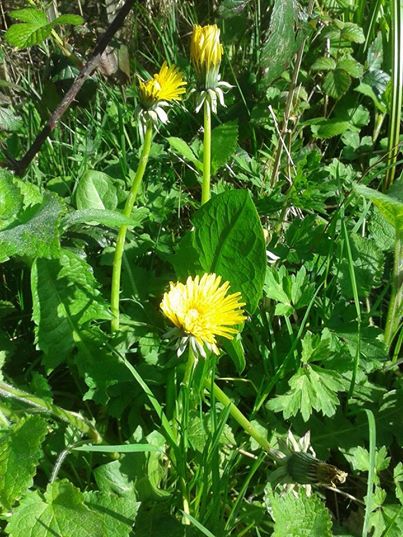
WEEDS OR WONDERHERBS?
Spring has now well and truly sprung and ‘weeds’ are plauging keen gardeners. But many common ‘weeds’ are in fact useful herbs that you can add to your pets diet! Remember this advice is for using small amounts of fresh herb in healthy animals. Do not try and use forgaed herbs to treat your pets medical condition without consulting a trained herbal vet and always pick from places uncontaminated by chemicals or road fumes.
DANDELIONS
Taraxacum officinale is used by veterinary herbalists to treat a wide range of diseases. The leaves have diuretic properties useful in urinary and heart problems. The roots help to cleanse the digestive system and are a tonic for the liver. We would suggest using the leaves only, added to your pets vegetable mix (on a homemade raw diet). The whole leaves are loved by rabbits and guinea pigs and are great for tortoises coming out of hibernation too.
CLEAVERS
Galium aparine (known to children as sticky willies, sweathearts or goosegrass) is another cleansing spring herb. We use it where the lymphatic system isn’t working well, in bladder problems and for dry skin conditions. This herb is best blanched in boiling water before adding to the veg mix because it’s very coarse and hairy! Chickens love this herb too, pick some and watch them go mad for it.
NETTLES
Urtica dioica is the common stinging nettle but it’s young leaves and shoots can be eaten by humans and animals. Although the skin can cause nasty rashes, the herb is great for allergies if taken as a tincture! It is also mineral rich and another gently cleansing herb. If adding this one to your pets diet pick the tips carefully and blanch them before use, like with the cleavers.
KITCHEN CUPBOARD CURES
IS IT FOOD OR MEDICINE?
There is a fine line sometimes between culinary and medicinal herbs! In fact many of the ingredients of your favourite Friday night take-away were originally used as much as for their medicinal properties as for their flavour!
Ginger, cinnamon, fennel and cumin all help prevent indigestion by relaxing and warming the stomach and cardamom seeds are used as a cure for upset tummies in Indian herbal medicine. When you think how hard keeping meat fresh would have been in hot countries like India it’s not surprising so many digestive herbs found their way into meals!
WHAT DOES CURRY HAVE TO DO WITH MY PET?
Sometimes we suggest herbs which are easy to obtain from the supermarket and are more effective given in that form than as tinctures or tablets. Our favourite suggestion is adding lightly crushed fennel seeds to the dinners of dogs prone to flatulence! It really works! Give 1/4 -1/2 teaspoon twice a day depending of the size of your dog. If your dog won’t eat the seeds on his dry food steep them in hot water and add the resulting ‘tea’ to his dinner instead!
WHAT OTHER CURES ARE HIDING IN MY KITCHEN CUPBOARD?
Garlic can help with allergies, infections and parasites and is best fed raw and freshly grated. In excess garlic is toxic but 1/2 a clove on 5 days out of 7 is fine for a 20kg dog.
Ginger can enhance digestion and circulation and is especially good for travel and chemotherapy induced nausea. Again fresh grated ginger is best; 1/4 teaspoon twice daily for a 20kg dog.
Parsley is good for bad breath. You can feed as much as a table spoon per meal but be sure to rule out dental problems.
Turmeric is one of our favourites and it is added to many of our herbal prescriptions. Some owners choose to feed it raw and fresh though and it can be found in Asian supermarkets. 1/4 teaspoon twice daily for a 20kg dog but do be careful…it will stain anything it touches!
Although these are common culinary herbs if you are thinking of using them regularly for a health problem in your pet please discuss them with your vet first. Some may interact with conventional drugs or may not be suitable for animals with certain health conditions or due to have surgery.