UNDERSTANDING DOG FOOD
UNDERSTANDING DOG FOOD!
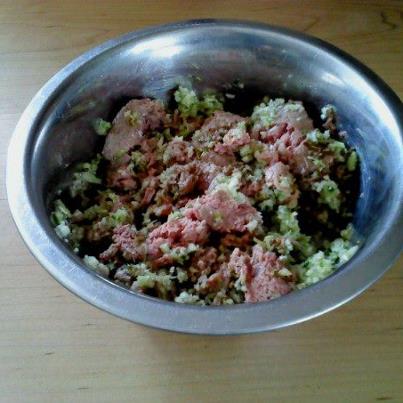
What’s for tea?
DRY, WET, RAW, HOME COOKED…WHAT’S BEST FOR YOUR DOG?
There isn’t an easy answer to this question! Just as people can be happy and healthy on a variety of diets, so can dogs. And a food that suits one dog down to the ground could cause skin or digestive upsets in another. Our Vet Vicky visited Crufts last month and was bewildered by the huge number of dog foods out there, all claiming to be the very best thing for your dog to eat! So where to start?
Complete vs Complemetary
A complete food contains all the nutrients a dog requires to support daily life when fed as directed.
A complementary food needs other things added to balance the diet; meat and mixer diets, many raw foods, and treats fall into this category.
There are guidelines for nutrient levels in complete pets food, but in the UK only PFMA members formally promise to meet these levels. Small food producers balance their diets using computer programmes, larger food companies may do laboratory testing, or feeding trials.
Raw, home cooked, dry, wet, home-made, commercial….?
Buying a pre-prepared diet made by a PFMA member is the only guarantee of a nutritionally balanced diet. There are PFMA members who supply raw and lightly cooked diets as well as baked dry foods, extruded kibbles, and canned wet foods.
Although many people feel that natural raw meat diets are the healthiest for dogs, there is sadly little well researched evidence for this. There is evidence that processing can alter the digestibility of some ingredients, and that cooking or processing may make foods more likely to cause digestive or skin problems in some pets (and make others safer to eat!). There is also little evidence that dry or canned diets are particularly bad for dogs. And with a large choice of gently cooked, high meat products on the market it is possible to feed a great (or really bad!) diet from any category!
Home-cooked and raw diets have been analysed and found to be deficient in key nutrients, so take advice on what foods to include, and whether supplements are recommended for your dog.
Raw fed pets have also been found to shed more bacteria (including e.coli, salmonella, and campylobacter) in their faeces. All dogs can pick up these bacteria from the environment (and eating nasty things on walks) so although we would not recommend raw feeding where there are ‘high risk’ people (babies, the elderly, or otherwise immunocompromised) good hygiene should be practised however your dog is fed.
Other things to consider when choosing a diet include cost (but work out the price per day as an expensive bag of food might go further) and convenience. Dry diets are easy to store, but can get infested with house dust mites or go stale if you buy bags your dog can’t eat in a reasonable time. Wet diets are more expensive and go off if your dog doesn’t eat them up quickly, but are often more appetising than dry diets. Pre-prepared raw diets remove some of the concerns over unbalanced diets and should carry a lower risk of bacterial contamination than home made raw diets, but are expensive to feed larger dogs. raw feeding can be very economical, and certainly suits many owners, but requires freezer space for ingredients, ideally a separate preparation area, takes time to do properly, and needs thorough research to ensure your dog gets a balanced diet.
Finally, food is not just fuel. Your dog should enjoy eating his food! Raw bones certainly fulfil a dog’s need to chew, but if you aren’t comfortable feeding raw bones (which can break teeth and cause digestive distress in some dogs) consider stuffing rubber toys with wet food, or using dry foods with snuffle mats or puzzle toys.
THE ‘DRY MATTER’ THING
If you really want to compare different pet foods you need to understand ‘dry matter’.
If a tin of dog food says it contains 5% fat and a dry food label says the food contains 15% fat, which has more fat?
If the wet food contains 80% moisture, the dry matter fat content is 25%
If the dry food contains 10% moisture the dry matter fat content is 17%….so the wet food is much higher in fat!
THE STUFF ON THE LABELS
Pet food labels have to list the percentages of protein, crude fibre, fat, and ash. They also have to list the ingredients, but these can be somewhat vague!
It is often stated that foods which list the ingredients individually are higher quality, and that the food is good if meat is the top ingredient. But again, things might not be so simple! Terms like ‘meat and animal derivatives’ can look off putting, but all dog food in the UK is made from animals suitable for human consumption. Dog food just uses the parts we don’t like to eat! A premium food might list ‘beef’ rather than ‘meat and animal derivatives’, but both could include beef tongue, heart, lung, and tripe. Although ingredients are listed by weight if beef is the top ingredient don’t assume the diet is mostly beef; if the next three ingredients are rice, oats, carrots these could add up to more than the beef. To confuse matters further some products use dehydrated meat, which weighs less but obviously makes up a larger proportion of the finished product than fresh meat would gram for gram.
Protein
Adult dogs need 20-40% dry matter protein. Protein can come from both animal and vegetable sources, but animal sources are easier for dogs to digest and provide essential amino acids (EAAs) which high vegetable protein diets may lack. Lack of EAAs can lead to poor behaviour, poor coat, or even to heart problems.
Fat
Adult dogs need 10-65% dry matter fat. Very high fat diets are required by dogs doing extended hard exercise such as sled dogs, and may cause digestive upsets or even pancreatitis in normally active dogs. There are essential fatty acids which must be taken in from the diet, and many foods have added omega 3 fatty acids which can have anti-inflammatory properties.
Carbohydrates
Adult dogs don’t need to eat carbohydrates as they are able to make glucose from fat and protein. However, carbohydrates are digestible by dogs and offer a cheaper source of calories than animal protein and fat. Even some dogs on raw diets benefit from some carbohydrates in the diet to maintain weight or improve behaviour. Our Vet Vicky is Veterinary Adviser for Breakthrough, which uses carbohydrates to raise serotonin levels and improve behaviour.
Fibre
Fibre is not just a ‘filler’ as some websites suggest. Soluble and insoluble fibres help with a feeling of fullness (important for dogs on a restricted diet to prevent weight gain), control gut transit time, and can act as pre-biotics improving the gut microbiome.
Ash
“They put ash in pet food!”. No, ‘they’ don’t! ‘Ash’ is just a legal term for the residue left after a pet food is incinerated as reflects the mineral content. The correct balance of calcium and phosphorus, as well as sodium, potassium, magnesium, and trace minerals including copper are important for health.
Vitamins
Added vitamins will be declared on the pet food label, but vitamins will come from food ingredients too. It is important not to over supplement with vitamins or minerals, especially fat soluble ones, as excess can cause illnesses. Unbalanced home prepared diets can also cause vitamin and mineral excesses or deficiencies, as can giving more than 10% of a dog’s daily food ration in treats, or cutting food back below the lowest guidelines to try and get a dog to lose weight.
DO I NEED TO CHANGE MY DOG’S DIET?
If your dog is fit and well, with good teeth, a shiny coat, and a good quality stool….probably not!
If your dog has skin, behaviour, or digestive problems then a change of diet could help improve things, but always take the advice of a vet or nutritionist rather than chopping and changing foods.
At Four Seasons Holistic Veterinary Care we take feeding and nutrition very seriously and think that a healthy gut is the foundation of a healthy dog. But we don’t have a ‘one size fits all’ policy and will help owners choose the vest diet for their pet and lifestyle from raw, wet, or dry diets.
Chip, Check, Change
MICROCHIPS! REUNITING LOST AND STOLEN PETS…OR ARE THEY?
One of our favourite jobs at Four Seasons Holistic Veterinary Care is microchipping litters of puppies. We strongly support UK law, which requires all puppies to be microchipped by 8 weeks of age (12weeks for legally docked puppies) and before they are sold.
Microchips can be implanted by Vets, Vet Nurses, and by other pet professionals who have received appropriate training (a practical course before 2015, and a LANTRA regulated course since 2015). We offer the additional benefit of a basic health check for all puppies we chip.
Microchips are a very safe and reliable way to permanently identify a dog, they also provide a way of identifying the keeper of that dog. Since April 2015 the first registered keeper must be the breeder of the puppy, and the breeder must provide the buyer with paperwork which allows the buyer to register themselves as the new keeper. If a dog is given away or sold the ‘old’ owner must get a transfer code from their microchip registration company and give this to the ‘new’ owner. It is easiest to think of the microchip registration scheme as being very similar to the car logbook system which we are all familiar with.
Just like a car log book, being named as the keeper of a dog with a microchip registration database is not considered proof of ownership. There is no single document which proves ownership of a dog, though in disputes a receipt from the purchase, evidence of paying the food and vet bills, and Kennel Club registration papers will all be considered.
When buying a puppy, or an adult dog, you should ask for a transfer code or paperwork which shows that the dog is chipped and to allow your to transfer the dog into your keepership.
WHY DON’T MICROCHIPS ALWAYS GET PETS HOME?
CHIP
Don’t assume your pet is chipped! Although all puppies should be chipped before sale we still see a lot of pups where this hasn’t been done. Visit your vet soon after buying any pet to check if it is microchipped.
CHECK
Pet microchips are very simple, and therefore very reliable. But a few do fail or move (especially after trauma to the implant area). Movement should not prevent a pet being returned to its owner as pet professionals scanning a stray pet should ensure they scan the whole animal all over, and should use two different types of scanner if a chip isn’t found. Failed chips are obviously a disaster in terms of reuniting lost or stolen pets. Microchip companies monitor reports of failed microchips and several years ago one company discovered a faulty batch had been implanted with a high risk of failure. Keepers were advised to have their pet’s chips checked and a new chip inserted if necessary. Although a chip could fail at any time, it is sensible to get it checked at least once a year (perhaps at your pet’s Annual Health Check).
Remember that your dog must still wear a collar and tag when out in public, which must have your surname and address on. A mobile phone number is also very useful for a quick reunification.
We also recommend ear tattooing as a back up to tags and microchips. Both puppies and adult dogs can be tattooed in a quick and only briefly painful procedure. Tattoos can become harder to read over time, but even a faded tattoo can help reunite a dog.
CHANGE
The main reason it can be difficult to reunite lost pets with their keepers is that the keeper registration details are not kept up to date. If you buy a pet, or if you move house, or change your telephone number one of the first things you should do is to change the contact details held by the chip registration company. You should be given a transfer code/form by the seller, if you move you will be able to change the details online or by post. Some databases make a small charge for changing details, in other cases it may be free.
VETS (AND RESCUES, AND DOG WARDENS, AND GROOMERS) GET SCANNING!
It can be hard for very invested dog owners to understand why lost and stolen dogs aren’t scanned and returned to their owners really quickly. Whilst we know that not all veterinary practices are as diligent about scanning new patients for chips as they should be, the sad truth is, that many dogs go for years without visiting a vet. Lots of people don’t take their dogs for Annual Health Checks and only visit the vet if their dog is ill. We have been involved in cases where dogs have been bought from homeless people, a man in a pub, or from classified adverts and many months or years (9 years in one case!) passed before the dogs were taken to a vet. In these cases vets scanned the dogs, found a microchip, and checked the database for registration details. This has been made much easier in recent years with the introduction of Scanner Angel for Halo scanners which alerts us to pets reported lost or stolen. Buyers should be asking to see chip registration paperwork, and should be suspicious if this is not available. It is our hope that compulsory microchipping will make more dog buyers ask about chips and make it harder for theives to move stolen dogs on (reducing their value and therefore reducing theft).
CAN REGISTRATION DETAILS BE CHANGED WITHOUT PERMISSION? CAN DOGS BE RECHIPPED? CAN DOGS BE REHOMED WITHOUT SCANNING? CAN CHIPS BE REMOVED?
The answer to all of these questions should be ‘No!’. But incidents do happen, and recently some distressing cases have been shared on social media.
Microchip databases won’t change the registered keeper details without the transfer code, or other proof of change of keepership. This can make changing keepership difficult if the transfer code wasn’t provided or for strays where the previous keeper can’t be traced. In these cases the microchip databases will consider other evidence, including whether the original keeper reported a pet as lost or stolen, and will ask that efforts are made to contact the previous keeper before changing keepership. If the original owner decides to contest ownership in the future it is important to keep as much evidence as possible of the efforts made to find them, or proof that they sold the pet.
Pets will not be implanted with a microchip by a Vet, Vet Nurse, or trained implanter without being checked for a pre-exisiting chip. In rare cases pets may have two chips if one has failed. Sometimes these failed chips ‘come back to life’ which means either number can come up on scanning. If a second chip is implanted where one is known to have failed the keeper details should be kept up to date on both numbers. As previously discussed, anyone scanning strays, new patients, or implanting microchips should scan very thoroughly to try and identify pre-existing chips. We sadly do know of stories where pets have not been scanned properly when picked up as strays or handed in to rescue, leading to complicated situations later on. Only robust and easy to follow protocols for rescuers and animal wardens can avoid these mistakes.
Microchips are not as easy to locate and remove as social media might suggest. We are only aware of one confirmed case of a dog having its chip removed by theives. A shaved dog and a scar, not to mention the requirement for anaesthetic mean removal is quite unlikely.
Ultimately, microchips DO work. They do identify dogs positively for breeding health checks, vaccinations, and competition. They do help reunite lost or stolen pets with their owners. But we advise our clients to CHIP, CHECK, and CHANGE!
RAW DEAL?
RAW FEEDING RAW DEAL?
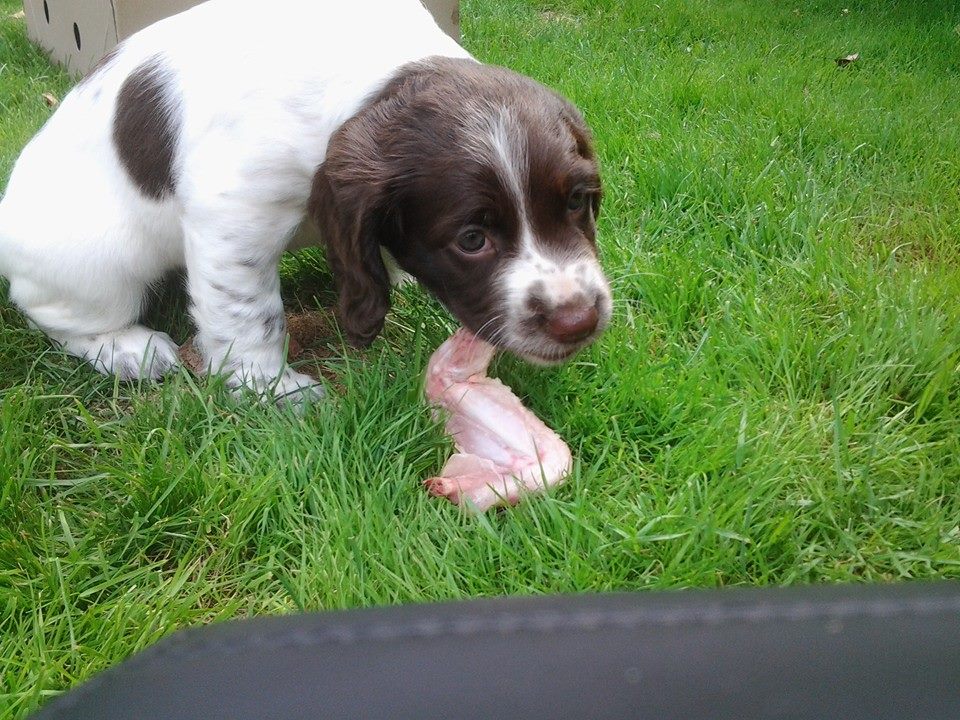
RAW FEEDING RISKS
Recent news headlines have suggested that raw feeding dogs and cats could be bad for their health, and yours.
The concerns surround contamination of raw meat pet food with bacteria which can cause gastroenteritis in humans, and in animals.
Any raw meat can be contaminated with bacteria including salmonella and e.coli. Every year people become ill from eating undercooked meat, especially during barbecue season, and we are constantly reminded to ensure high risk meats such as chicken and mince are thoroughly cooked, that separate utensils are used for raw and cooked meats, and that we wash our hands well after handling raw meat.
So, what’s different about raw dog and cat foods?
Not much really…except that we feed the meat raw! Major raw food suppliers claim that they tolerate a lower bacterial count in their foods than would be tolerated in meat for human consumption as their food is not going to be cooked. Bacterial contamination levels may be unknown in meat direct from slaughterhouses, butchers, or game dealers.
Dogs fed salmonella contaminated food don’t necessarily become ill. That fast gastric transit time in dogs may account for their ability to eat meat that would make humans ill. However, dogs fed raw meat contaminated with salmonella will shed higher numbers of the organism into the environment. This has implications for human health as salmonella can cause very serious symptoms, even death in those with compromised immune systems.
Other risks associated with raw feeding include obstruction of the gastrointestinal tract by chunks of bone, and fractured teeth from chewing on bones.
Does this mean you shouldn’t raw feed?
RAW FEEDING SAFETY
Despite numerous studies showing that raw fed dogs shed higher levels of potentially pathogenic bacteria than kibble fed dogs, cases of gastrointestinal disease in raw fed dogs and their owners does not appear higher than those in kibble fed dogs in my practice. In fact most of the GE cases I treat are fed dry or canned dog food ( I always ask!)…but their owners do often admit that their pets will scavenge dead creatures, and discarded food on walks. Added to this, there have been several cases of dry dog food recalls due to salmonella contamination, and dried treats such as pig’s ear may also be contaminated.
Raw bones are softer than the cooked bones and antlers which are sold as dog chews. Dental fractures and gastrointestinal obstructions are a genuine risk when feeding raw bones to dogs. However, cooked bones, antler chews, and hard nylon chews can also fracture teeth; I have yet to remove a raw bone intestinal foreign body, but have removed numerous chewed and swallowed dog toys and stones. I have treated a raw fed dog who needed surgery to remove bone from his oesophagus, but colleagues have treated more dogs which have swallowed large chunks of rawhide or pig’s ear. The risks of tooth fracture and obstructions can be minimised by feeding appropriate size and type bones, or by feeding only ground bone.
Vets who support raw feeding have always advised that certain dogs in certain families may not be suitable for raw feeding, and that excellent hygiene is required in any family with a pet dog.
Families with members who are immunocompromised should avoid raw feeding due to the increased handling of raw meat, and potential higher contamination of the home with potentially pathogenic bacteria. If raw feeding in a home with young children care should be taken to protect children through good hygiene, for example; handwashing, separate food preparation utensils for pets, and avoiding licking by pets.
Immunocompromised pets may not be suitable candidates for a raw diet. This would include dogs receiving high dose steroids, chemotherapy, or recovering from certain illnesses.
ALTERNATIVES TO RAW
Where a raw fed pet’s circumstances change, but owners want to continue feeding a high meat ‘natural’ diet, what are the options?
Firstly, consider switching from home-made raw to a commercial complete raw food. These are tested to ensure low bacterial contamination, as well as being nutritionally balanced, and requiring less handling.
If that is considered too high risk, look for lightly cooked high meat foods, often sold in tray or pouches.
Finally, there are increasing dry food options, both extruded kibble, and baked which are made with over 60% meat.
VETERINARY ADVICE ON RAW
If you are concerned about your dog or cat’s raw diet, and want advice on how to feed raw safely, consult a vet who understands and supports raw feeding.
GOODBYE GOUDHURST
GOODBYE GOUDHURST VETS
Many happy years offering clinics at Goudhurst Vets and Equine Clinic in Goudhurst are coming to an end.
Vicky will be concentrating on home visits for Acupuncture and Behaviour problems, and will continue to offer Holistic and Herbal medicine consultations at Companion Care Vets in Eastbourne (01323 649315).
Existing acupuncture clients at Goudhurst will be transferred to vet Caroline Borer, who has recently undertaken acupuncture training. Repeat prescriptions of herbs can be delivered to Goudhurst by arrangement.
Vicky’s final clinic at Goudhurst will be on Thursday 4th January.
NEEM
NEEM FOR PARASITE CONTROL

When our Holistic Vet Vicky goes on holiday she can’t help but look around for medicinal plants and she found lots of Neem trees in Kenya. The latin name for Neem is Azadirachta Indica.
WHAT IS NEEM USED FOR IN ANIMALS?
Neem is a popular remedy with indigenous peoples for a large range of parasitic problems on both animals and plants. Published research shows that extracts from neem seeds and leaves can be effective on animals against mites, ticks, fleas, and fungal infections. Neem can have various effects on parasites including repelling them, reducing their feeding on an animal, disturbing the growth of larval stages, and reducing the parasite’s ability to breed or lay viable eggs.
GREAT! WHY AREN’T WE ALL USING NEEM?
The main downside to neem is that it has a smell most people find unpleasant. Commercial neem based products will attempt to disguise this, or will use extracts with less smell. Neem extracts degrade fairly quickly after application so need to be applied every 4-8days.
IS NEEM SAFE?
Aqeuous preparations of neem are reported to be well tolerated, neem oils may be less well tolerated. Short term overdose, or long term use, may be associated with reduced fertility. Fertility returns once treatment is stopped. Ingestion of pure neem seed oil is dangerous and can cause vomiting, metabolic acidosis, drowsiness, a rapid rate of breathing, and even seizures. The best advice would be to use commercially available products which have been tested as safe for use on animals, and to use and store neem products in a way which minimises the risk of your pet ingesting them. Be sure to choose cat safe products for cats, who are especially at risk from ingesting essential oils.
Neem also appears to be relatively safe to non-target insects and spiders, but may be toxic to fish so take care around your fish tanks and ponds.
AVOIDING JOINT DISEASE
HIP, HIP, ELBOW, SHOULDER… HOORAY?

Osteoarthritis and joint disease are the most common reason that dogs are referred to Four Seasons Holistic Veterinary Care. We get great results using combinations of acupuncture, botanical medicines, conventional medicines, supplements, and physiotherapy but wouldn’t it be better to reduce the risk of joint disease and arthritis in our dogs?
BREEDING FOR JOINT HEALTH
Developmental joint problems such as hip dysplasia, elbow dysplasia, and shoulder OCD are more common in some breeds than in others. This has lead us to believe that there are genetic factors which influence healthy joints. Unfortunately scientists haven’t found single gene mutations which correlate with good or bad joints and it is likely that a number of different genes are involved. For this reason breeders have to rely on having a dog’s joints assessed before breeding and only breeding from those with better than average joints. In the UK dogs of at risk breeds can be scored under the BVA/KC schemes for hips and elbows. Elbows are rated from 0-3 and ideally only dogs with 0 elbows are bred from. Hips are rated from 0 to 106 (0-53 each side). It is recommended to breed from dogs which are below the median value for the breed. In some breeder, breeders can also use ‘estimated breeding values’ to predict if a dog will have puppies with better or worse hips than its parent. Joint laxity is thought to be the major factor in hip dysplasia developing and some breeders use an additional test called PennHIP which assess joint laxity. It is not done as commenly as vets need special equipment and training to perform it. Screening is also available for patella luxation (slipping kneecaps) which is done by a vet handling the dog. This is most likely to be done on small and toy breeds such as chihuahuas, but some larger breeds are also assessed. At the moment there are no schemes for shoulder OCD, or incomplete ossification of the humeral condyle which affects spaniels but breeding from affected individuals is not recommended.
REARING FOR JOINT HEALTH
Pups are born with normal hips, which grown and change with the stresses and strains put on them. Puppies reared on slippery surfaces are more likely to develop hip problems so breeders should ensure surfaces offer good grip. Summer puppies have a lower rate of hip problems, which may reflect that they spend more time outside than on a slippery kitchen or kennel floor. Growth rate and body weight are important too. Obviously puppies need to eat to grow, but growing too fast and being too fat in early life has a negative impact on joint health.
Once you get your puppy home you need to keep up the good work! Exercise on soft, uneven surfaces such as grass or the beach is really good for joint development. Too much pavement pounding, or again, time spent on slippery surfaces, has a negative impact. Strong muscles contribute reduce the risk of lax joints developing, but care must be taken not to overdo things. I work on a rule of thumb of 10minutes of ‘going for a walk’ per months of life until dogs are fully grown. Training, obstacles, hunting games and other low impact activity are much safer for growing dogs than fast running after balls.
Keep your dog on the lean side too. Aim for a body condition of 4-5 out of 9 (ask your vet how to assess body condition).
ONGOING JOINT HEALTH
Active dogs are at risk of wear and tear on their joints, just like human athletes. However, there are things you can do to reduce the risks. Weight control remains key throughout life.Dogs on a restricted diet could live more than 2 years longer than overweight dogs! Ensure your dog is warmed up before intensive exercise and cooled down afterwards, and make sure his is properly trained and conditioned for the tasks you expect him to do. You wouldn’t enter a triathlon with no training…would you?!
Joint supplements aim to support healthy cartilage, ligaments, joint fluid and muscles and may be helpful for very active dogs or high risk breeds. There are many available but we particularly like Joint Aid and Nutraquin.
NEW MICROCHIPPING RULES FOR DOGS
MICROCHIPPING DOGS BECOMES LAW IN 2016
From 6th April 2016 all puppies must be microchipped before sale. The breeder must register the puppies in their name and provide buyers with the paperwork to transfer the microchip registration.

FREE TRANSFER OF OWNERSHIP ON PETLOG!
The good news announced today is that if the puppy is Kennel Club registered then transferring the Petlog registration into the new owners name, and upgrading to Petlog Premium will be FREE!

HOME VISITS FOR LITTER MICROCHIPPING
We have offered a home visit service to breeders for many years to provide litter health checks and microchipping and will hope this will be an even more popular service with the law changes next year. Microchipping and Health Check costs just £15 per puppy (with a small visit fee based on mileage). Our chips are registered with Petlog. Please contact us for further information.
ZOOPHARMACOGNOSY
ZOOPHARMACOGNOSY- SELF HEALING OR SNAKE OIL?
Zoopharmacognosy is the latest buzz in the complementary treatment of cats and dogs. There are courses in it for pet owners, and some claiming to certify you to offer the service to others. There is also letter in the Vet Times encouraging vets to get involved. So, is this a treatment you should consider with your pets?
WHAT IS ZOOPHARMACOGNOSY?
Zoopharmacognosy means animals self selecting medicinal plants or minerals to cure themselves of illness. Scientists have observed several animal species using naturally occurring plants or minerals when unwell. The two most commonly cited cases are that of elephants with diarrhoea seeking out a special type of clay to eat and sick chimpanzees eating bitter and mildly toxic leaves to treat parasite infestations. In our domestic animals we see cats and dogs chewing grass; as this often induces vomiting it has been suggested they eat the grass when feeling sick to help remove toxins or parasites from the gut. otherwise evidence for this type of medicine in companion animals is largely anecdotal. Yes, rabbits will often choose dandelion leaves over grass when they have gut stasis, but we can’t know if they are seeking out the gut stimulating bitters in the herb, or whether being offered a favourite food is why they choose it. There is also a story of a worm infested dog choosing an onion over and apple and never touching an onion again; was he really trying to rid himself of worms, or did he make a bad choice and decide onions weren’t tasty? How did he know that the dose of onion he took was safe (as onions are quite toxic to dogs).
IS ZOOPHARMACOGNOSY SAFE AND EFFECTIVE?
This is an important question and hinges on our domestic pets still being able to detect toxic plants from safe plants, and knowing when to take mildly toxic plants and in what doses. The experience of most general practice vets would be that domestic pets aren’t that good at it; we’ve all treated dogs, cats, and small pets which have eaten toxic house or garden plants, unsuitable vegetables, toxic substrates such as cocoa mulch, and garden bulbs. Part of the safety element relies on the therapist only offering safe plants, and then knowing what dose is suitable for the animal. Another element is the form in which herbs are presented; we know that horses won’t ingest toxic ragwort when it is growing (unless they are starving) but readily ingest it in hay. Plants may be safe whole and dried, but their refined essential oils much less safe, especially for cats. Finally herb quality must be considered; not all suppliers check the quality of raw ingredients and there have been cases of contamination and substitution, even in big high street brands!
If zoopharmacognosy is practised then it should only be offered by experienced trained herbalists. The many courses are as yet unregulated making it hard for owners to know what level of understanding a practitioner has. The practitioner needs an in depth knowledge of herbal medicines, animal physiology, and conventional drugs- as many herbs interact with conventional medication. We feel that non-veterinary practitioners should work under the supervision of, and on referral from a vet (as with other valued paraprofessionals such as physios, behaviourists, hydrotherapists and massage therapists). Sadly the Vet Times letter suggests that Zoopharmacognosists don’t have to have veterinary referral (an issue we are clarifying with the RCVS).
In conclusion, whilst we are BIG fans of herbal medicine, and find it effective in a wide range of cases we will continue to recommend that you seek out a diagnosis by a vet, and that any herbal treatments are prescribed by a vet trained in herbal medicine. If you do decide to see a Zoopharmacognosy practitioner ensure your vet is involved in case of any reaction or interactions.
HOME ZOOPHARMACOGNOSY
Despite our concerns about this therapy (which is in it’s infancy and may prove useful with more research and safety considerations) there is some fun you can have with self selection at home! Plant a range of tasty treats for your pets to nibble on if the fancy takes them…this is especially useful for indoor cats and rabbits.
Rabbits and guinea pigs: try dandelion, chicory, fennel, mint, and french marigold.
Cats: try valerian, catnip (these two have opposite effects so don’t plant them too close!), lavender, and cat grass (a type of oat).
Dogs: try fennel, mint, parsely, lavender, cat grass, and cleavers (goose grass).
WHAT WE DO
WHAT WE DO AND WHY WE DO IT!
People can be confused by the term ‘holistic’, especially as it seems to be used to sell just about everything. So what does it mean at Four Seasons Holistic Veterinary Care?
HOLISTIC VETERINARY CARE
Holistic care is characterized by the treatment of the whole animal, taking into account mental and environmental factors, rather than just the symptoms of a disease.
Animals are usually referred for holistic assessment and treatment because they have complex, multiple, or chronic conditions.
We will ask questions about your pet’s diet, exercise, and mood state as well as the main symptoms. All too often a chronic illness means a pet can’t take part in the activities it used to enjoy and a low mood state or poor quality of life can make managing a disease more difficult. We often make changes to what,or how a pet is fed as well as using appropriate games, training and exercise to improve their mood as well as using acupuncture or herbal medicine.
Holistic also means that we use a wider variety of treatments than most primary care practices; we offer herbal medicine, acupuncture, and physical therapy as well as advising on diet, lifestyle, supplements, and behavioural modifications.
HOLISTIC VETERINARY CARE CASE STUDY: THE DEPRESSED PUG
A pug was referred to Four Seasons after diagnosis of a degenerative spinal condition. His pain was well controlled but he seemed to have lost all his spark and his owners were considering euthanasia. A detailed discussion revealed that as his mobility was poor the owners were taking this pug out on his own, then taking the other pugs for their usual walks. It seemed that the pug had a low mood state because he was missing out on walks with his friends. The solution was two-fold; herbs with a proven effect on improving mood and perhaps more importantly getting the pug back with his mates. His owners bought a ‘dog pushchair’ so he didn’t have to do the whole walk and let him out to sniff around with the others. In no time at all his cheerful personality was back and an integrated approach from his referring vet and our vet made a huge difference.
ONE DOG OR TWO?
ONE DOG OR TWO?
There are few things that make our vet happier than meeting clients with a new puppy.
There are few things that worry her more than meeting new clients with two new puppies!
We know how it happens…the family visit the breeder to chose their pup…there are two left that they just can’t pick between…and they’ll be great company for each other…and you can train one each…BUT…
TWO’S COMPANY…THREE’S A CROWD
There is no doubt that two puppies will entertain each other while you are busy at work, cooking dinner or rounding up the kids.
Unfortunately this is where problems can start. The pups have so much fun together they don’t need you at all! In order to train a puppy you need to build a bond with it. This is easily done if you are the source of all food, play and cuddles but less so if the puppy can get play and physical contact from another puppy. It’s almost like twins who invent a secret language!
Added to that you’ll have double bills for vaccines, neutering, insurance, training classes, kennels…..
BUT WHAT ABOUT THE PACK?
Dogs aren’t really pack animals. They are social individuals, much like humans and they have evolved to live alongside humans. Dogs have developed body language and vocal gestures which they only use with humans and, unlike most other domestic pets, can get along without doggy companionship as long as they get plenty of stimulation from their humans and get to meet and play with friendly dogs on a regular basis.
All of this said it is wonderful when you do own more than one dog. Our vet Vicky never thought her first dog missed out, until she got a second…and a third! “It’s lovely to watch them play with each other in a different way than they do with me.” But it’s not always easy, “They do need to be separated at mealtimes, especially when they have bones. And sometimes, if they need different exercise levels I can do three or four walks a day!” Vicky recommends waiting until your first puppy is fully trained and mature, or until your rescue dog is totally settled, before looking for a new dog. This could mean leaving 18months to 2 years between puppies or a year between rescue dogs.
Our Vet Vicky is currently working on her level 5 COAPE Diploma in Companion Animal Training and Behaviour to add to the range of services she offers.