HOW TO GET REFERRED TO FOUR SEASONS HOLISTIC VETERINARY CARE

STEP 1
Email health@holisticvetsussex.co.uk for a referral form and price list.
It helps if you can include a brief desciption of the problem, and your location.
STEP 2
Ensure health@holisticvetsussex is marked as a safe address so that the reply does not end up in spam!
STEP 3
Fill out the owner section of the referral form, then ask you primary care vet to complete the rest, and email it to health@holisticvetsussex.co.uk with relevant history.
STEP 4
When the referral form and history are recieved you will be contacted with a choice of home visit appointment times by email.
PLEASE NOTE THAT THIS IS A ONE-PERSON PRACTICE. I AIM TO REPLY WITHIN 48 HOURS, EXCEPT AT WEEKENDS AND HOLIDAYS. IN AN EMERGENCY CONTACT YOUR PRIMARY CARE VET.
Alternatively, download the referral form here https://acrobat.adobe.com/id/urn:aaid:sc:EU:0e7487e4-7af5-4552-a672-4b6473ad85c3
WHY DOES MY PET HAVE TO BE REFERRED?
Why does your pet need to be registered with a primary care vet, and why does that vet need to refer them before a consultation can take place?
Four Seasons Holistic Veterinary Care offers complementary therapies for your pet in your home. We do not have a clinic where we can offer routine treatments, diagnostic testing, or emergency care.
To meet RCVS requirements, your pet must have access to emergency care via your primary care practice.
I need to work with primary care vets, as patients often need radiography, blood tests, or conventional medications as part of their Holistic care, and I value the work the primary care vet has done with your pet.
Referral is simple! Request a referral form, fill out the owner section, then pass to your vet to complete. Your vet should email the form to me with any relevant clinical history. In return, I email your vet a copy of each consultation we have so that they are kept up to date with progress.
As I am usually on the road or treating pets, I prefer contact by text (07958142959) or email (health@holisticvetsussex.co.uk)
I am unable to discuss a case by phone until I have a referral form.
PAIN AND PROBLEM BEHAVIOUR

How are Pain and Behaviour Problems Related?
Pain may be part of the reason for problem behaviours in up to 80%of cases. If an underlying painful condition is not identified and treated it is unlikely that the problem behaviour will be completely resolved. In some cases the problem behaviour disappears entirely when pain is addressed and no behavioural therapy is required!
Pain can affect behaviour in a number of ways. Behaviour may change because a dog is trying to avoid pain, or because pain is making them less tolerant of other things. Pain can reduce the amount of rest and quality sleep a dog gets and lack of rest is a significant factor in problem behaviours.
What Problem Behaviours May Be Due to Pain?
Almost any problem behaviour could be caused or made worse by pain, but common examples would include:
Refusing to go on walks or get into the car
Aggressive behaviour when stroked, groomed, or handled
Aggressive behaviour toward people, dogs, and other animals
Separation related distress
Self-mutilation (chewing or licking bodyparts until they are sore)
Cognitive decline symptoms in older dogs
Loss of house training
Sound sensitivity and noise phobias
Pain should be considered in all problem behaviours, especially when they start suddenly or become worse in a short space of time with no other obvious trigger.
How do I tell if my Dog is in Pain?
Before starting training or a behaviour modification plan for your dog it is advisable to ask your vet to do a thorough assessment for pain. This can be a challenge if your dog is scared in the vets or if their problem behaviour relates to being handled. Key areas your vet should look at include:
The mouth and teeth
The ears
The musculoskeletal system
The digestive system
You can help your vet identify possible sources of pain by watching your dog at home. Do they eat gingerly or chew on one side? Do they shake their head or scratch at their ears? Are they stiff when they get up or do they find getting on the sofa difficult? Are their poops normal and passed regularly?
Sometimes your vet may suspect pain but be unable to find what part hurts. In these cases the vet may suggest a trial of painkiller for a couple of weeks to see if the problem behaviour improves.
How can I help my dog with their Pain?
Your vet will prescribe appropriate medication for the painful condition that your dog has. In some cases, like an ear infection, one course of medication may be enough. If there is dental pain your dog may need extractions under anaesthetic. Occasionaly there may be a surgical solution to a painful problem.
Arthritis could require long term medication, but physiotherapy, hydrotherapy, acupuncture, non-slip flooring, supportive beds, and supplements can also be helpful.
Your behaviourist or trainer should be made aware of any medical conditions your dog has and medications that they are taking. Some medications can affect the way a dog learns, and it is important that any interventions (such as increasing exercise, playing with toys, or handling exercises) are designed to minimise the risk of causing further pain.
How Can Four Season Holistic Veterinary Care Help?
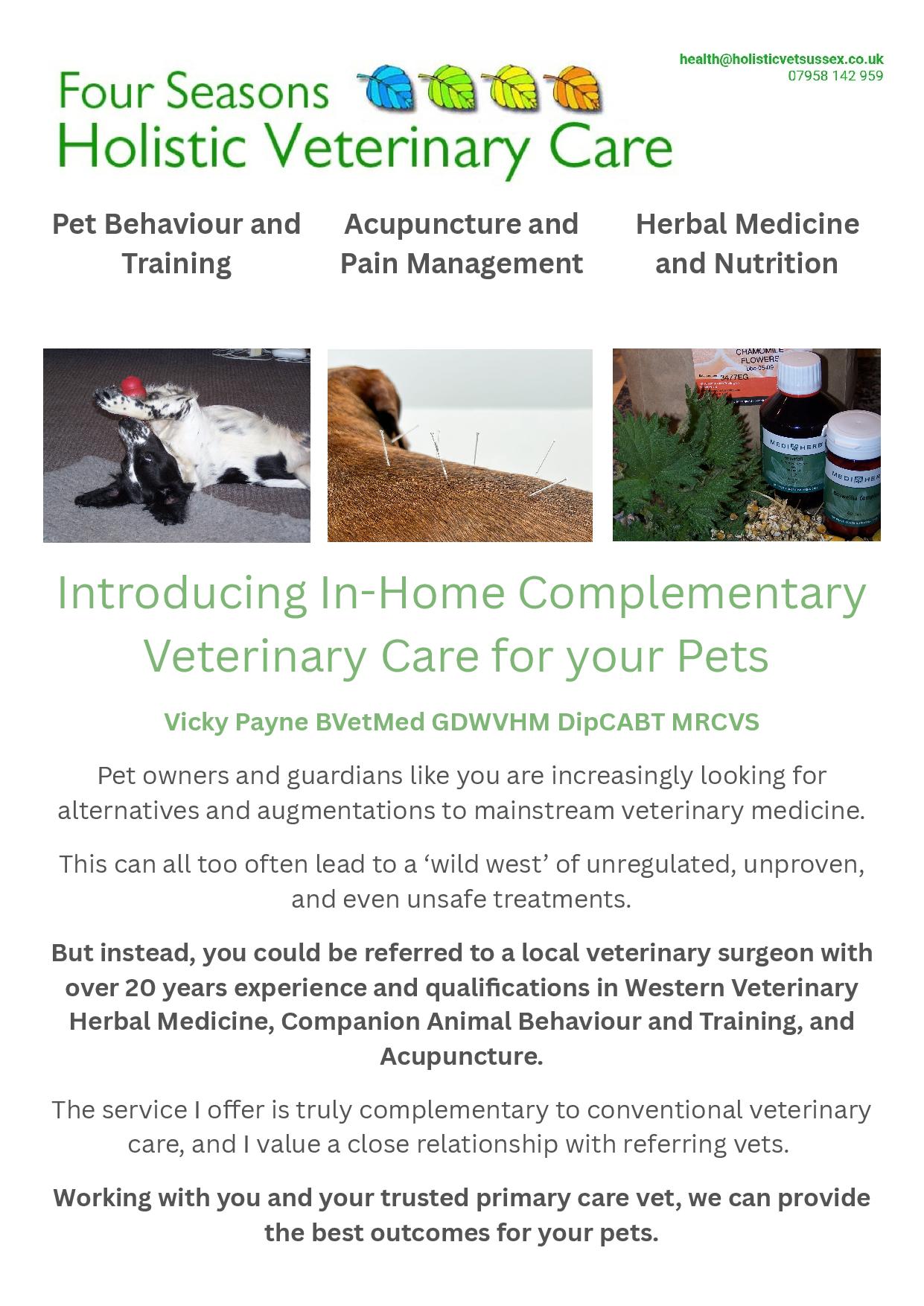
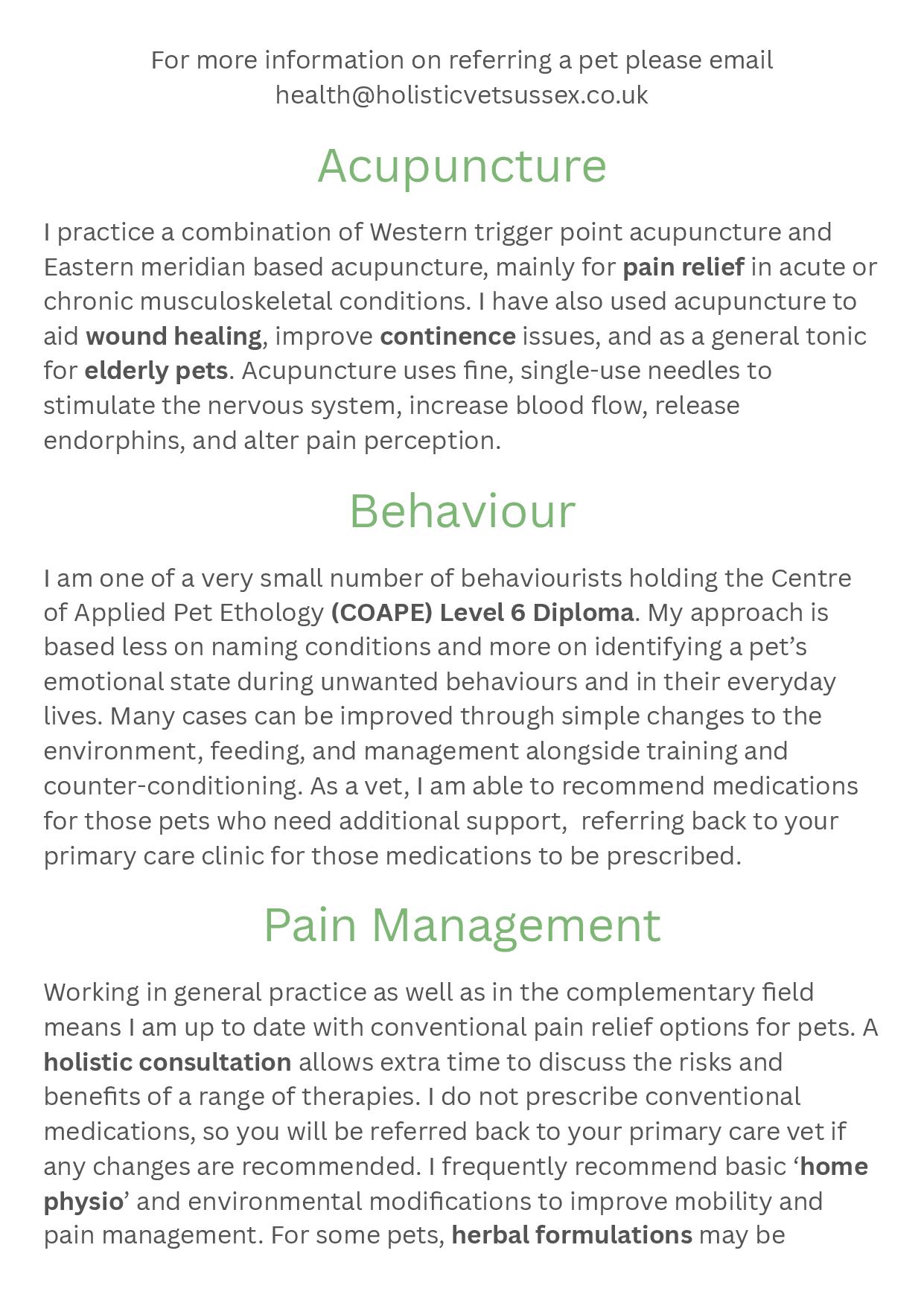
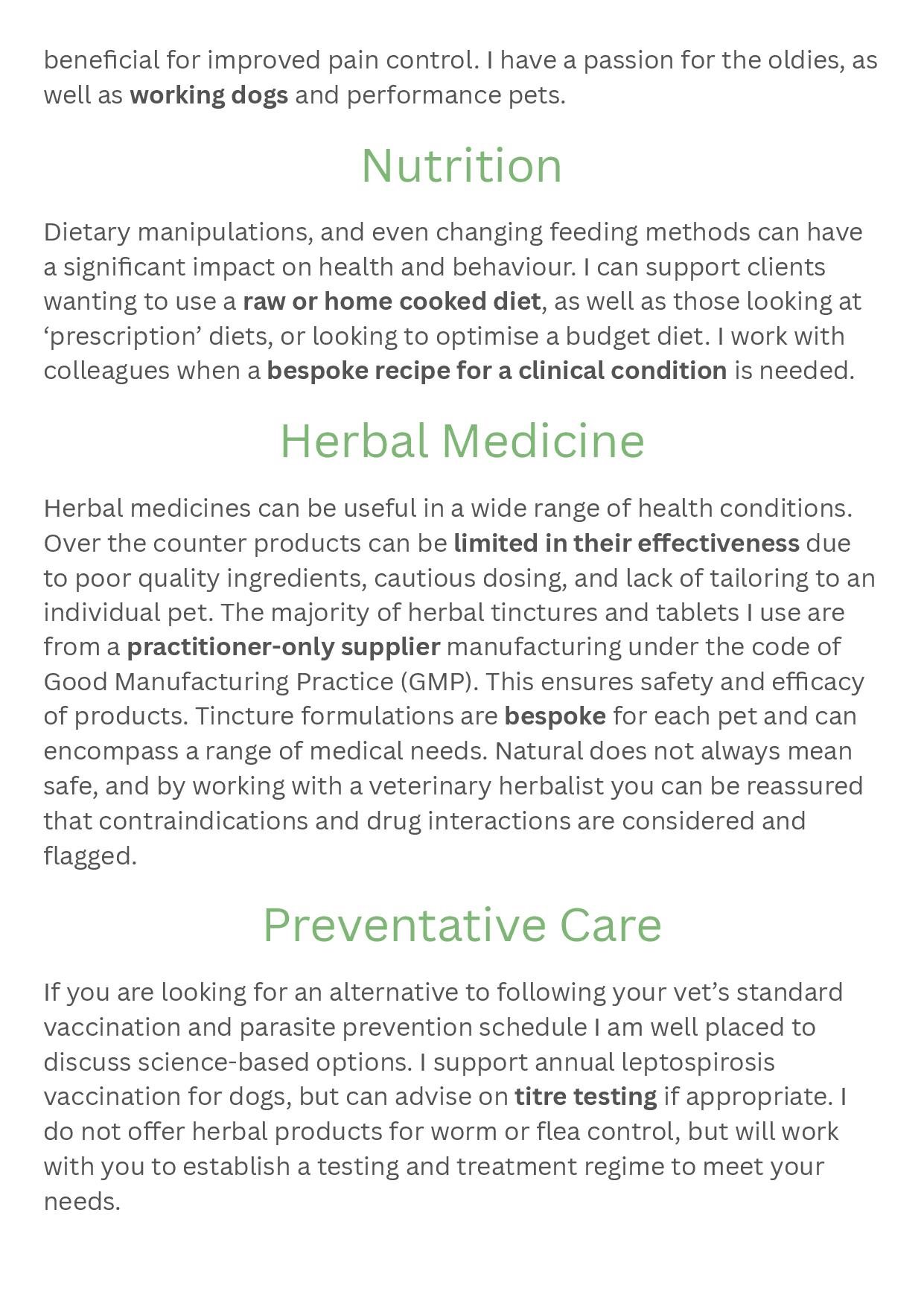
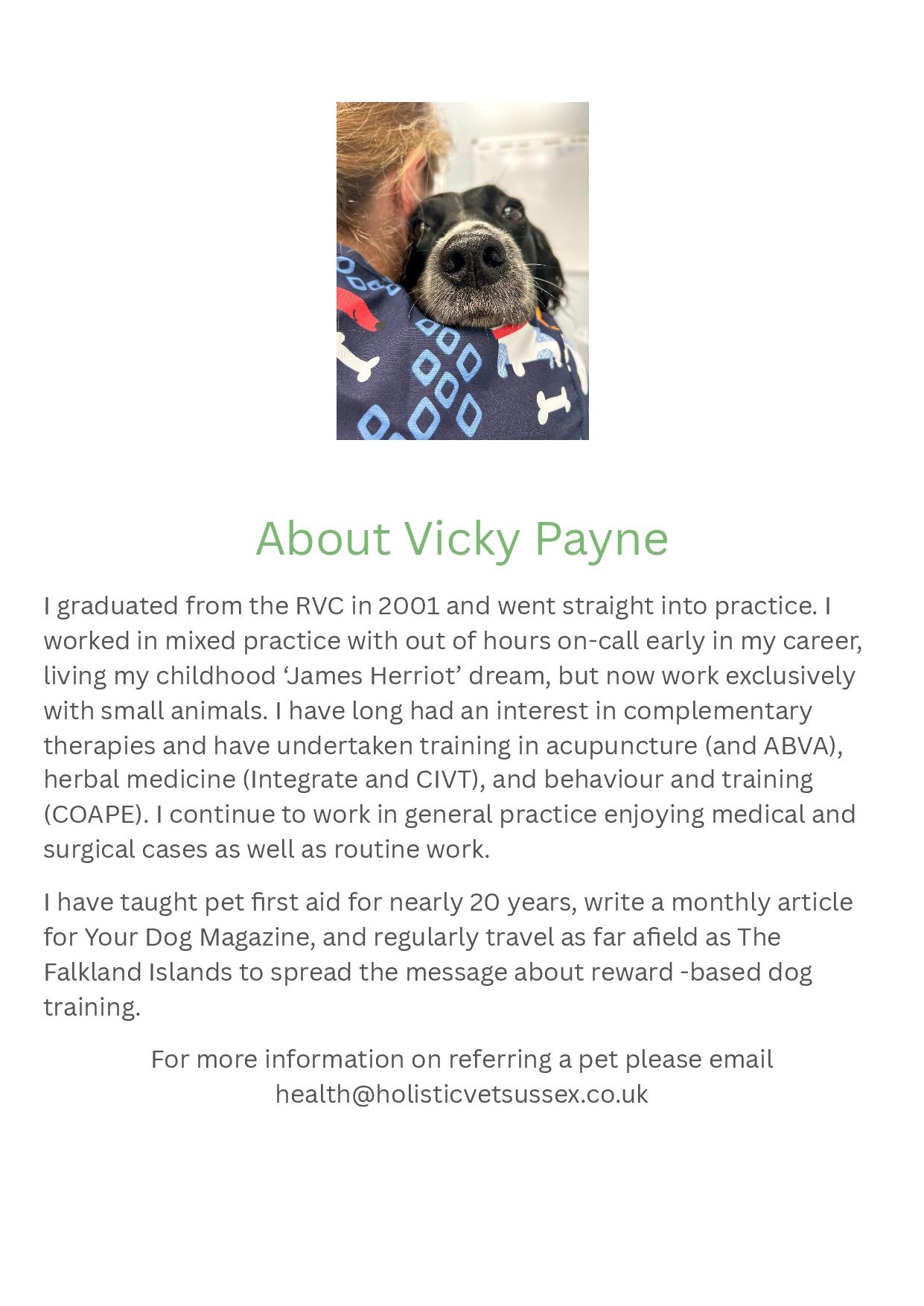
Our vet Vicky can often pick up on pain at a home visit that may be missed at the vets. She is able to help with acupuncture, herbal medicines, and exercise advice. As a veterinary behaviourist she can also work with complex cases where pain and problem behaviour are both present.
THE COST OF PET CARE

PET CARE COSTS ON THE RISE!
Lots of people bought pets during lockdown, and they have brought untold benefits in terms of companionship and exercise during these very difficult times. Unfortunately the aftermath of Covid-19 along with Brexit and the invasion of Ukraine, is that there is a huge cost of living crisis looming… and it affects pet care as much as everything else.
SAVING MONEY ON PET CARE
- BUY IN BULK. If you can afford to buy larger amounts of pet food this will usually be less expensive. Choosing a cheaper brand may not be cost effective as you often need to feed more per meal so look at the per meal cost as well as the price per bag. Only buy as much as you will use before the food goes out of date.
- KEEP ON TOP OF VACCINATIONS AND PARASITE CONTROL. Cutting corners on preventative healthcare often costs more in the long run. Some owners chose cheaper flea treatments to save money when furloughed then faced an uphill struggle to control a flea infestation. Unless your pet is at high risk of adverse reactions to vaccines it will be less expensive to follow the vets programme than using titre tests to check protection.
- ASK ABOUT A PRESCRIPTION. Written prescriptions allow your to buy medications on-line from pharmacies. You will be charged for the prescription but will still be able to make savings on some parasite prevention products and medications. Vets will have individual policies on how many times you can use a prescription and how often your pet will need a meds check.
- INSURE YOUR PET. Insurance is a monthly bill you may think about dropping, but can you afford to care for your pet in an emergency without it? Ask if there are any areas of cover that can be removed to reduce the premium, or offer to pay a higher excess. Make sure you have the excess available, and remember that some specialist centres require payment at the time. A credit card is useful for this as you can pay it off as soon as the insurance pays out. Alternatives to insurance including making a pet savings account, but this may not have enough in if your young pet becomes ill.
- JOIN A PET HEALTH CLUB. Many veterinary practices have pet health clubs where a monthly fee pays for reduced cost parasite control and vaccines and unlocks other freebies and discounts.
- DON’T DIY. If you are concerned about your pet’s health, even if you are also on a tight budget, please seek veterinary advice. Although there is good information on the internet vets also see too many pets who have been damaged through the use of human medicines or delayed treatment.
Four Seasons Holistic Veterinary Care is a referral only service and we can only offer advice to registered and referred clients. We are a very small business and are not able to offer any credit on our services.
GOODBYE GOUDHURST
GOODBYE GOUDHURST VETS
Many happy years offering clinics at Goudhurst Vets and Equine Clinic in Goudhurst are coming to an end.
Vicky will be concentrating on home visits for Acupuncture and Behaviour problems, and will continue to offer Holistic and Herbal medicine consultations at Companion Care Vets in Eastbourne (01323 649315).
Existing acupuncture clients at Goudhurst will be transferred to vet Caroline Borer, who has recently undertaken acupuncture training. Repeat prescriptions of herbs can be delivered to Goudhurst by arrangement.
Vicky’s final clinic at Goudhurst will be on Thursday 4th January.
WHAT IS A HOLISTIC VET?
WHAT IS A HOLISTIC VET?
This week someone on an internet forum expressed surprise that our vet Vicky Payne was a Holistic vet! Vicky thinks this is because she has written in support of vaccination and against untrained people giving advice on which homepoathic or herbal remedy to buy from the internet.
WHAT IS HOLISTIC VETERINARY CARE?
For us at Four Seasons Holistic Veterinary Care, “Holistic” means using detailed evaluation of a pet’s diet and lifestyle as well as hands on examination and conventional diagnostic tests (sometimes including blood tests or x-rays) to achieve a diagnosis, or in many cases multiple diagnoses.
We then choose from a full range of conventional and complementary therapies to help that pet back to wellness. Therapies we use or advise include dietary changes, behaviour and lifestyle modification, acupuncture, owner performed home physio, herbal medicines and conventional medicines and surgery. In some circumstances we will also refer your pet to local physiotherapists, massage therapists or hydrotherapists for supportive care.
“Holistic” to us also means caring for a pet’s well-being from the planning of a mating, right through to the planning of end of life care and euthanasia. We are happy to advise on health testing for breeding dogs and cats, tools which can help accurately time mating for dogs, rearing and socialisation of puppies and kittens both with the breeder and after sale, as well as advising on appropriate vaccination, worming and flea treatment schedules based on sound science and a consideration of an individual pet’s risk. Many of our patients are in their Autumn years so inevitably we have to help owners with decisions surrounding palliative care, quality of life, the end of life and planning for the future.
Our passion for life-long care is why Vicky chose the name ‘Four Seasons Holistic Veterinary Care’.
WHAT ISN’T HOLISTIC VETERINARY CARE?
We can’t speak for other ‘Holistic’ practices but for us “Holistic” does not mean alternative (diagnosis and treatment must always be done by a vet or under veterinary supervision), homeopathic (though many practices also add this to their treatments offered), anti-vaccination, anti-conventional medicine or assisting in self diagnosis and recommending buying unregulated products.