HOT DOGS!
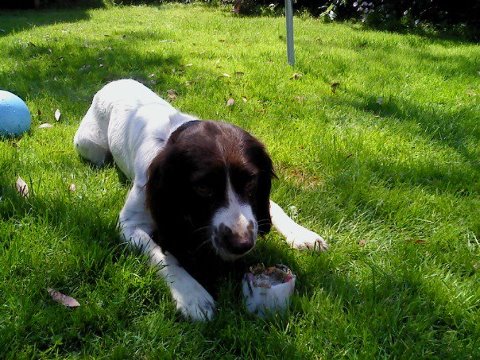
HEATSTROKE KILLS DOGS
We know, you are probably bored of hearing this now but it is true. Heatstroke is a common preventable cause of death in dogs. Every dog and owner are different, so try not to be judgy… but here are our top tips.
HEATSTROKE SIGNS
Panting with a long, thick tongue.
Thick drool.
Staggering or lying down.
Not reacting to known cues/ words.
Collapse.
Seizures.
Death.
HEATSTROKE PREVENTION
Walk early/walk late. For some dogs temperatures as low as 16 C carry a heatstroke risk, most dogs are at risk over 22 C.
Risk is higher for old dogs, puppies, hairy dogs, short faced dogs, and dogs with underlying illnesses.
If attending a competition or travelling with your dog use shades, fans, airconditioning, and have plenty of water and ice packs available.
If planning a canine event try to provide shade, water to drink, and water to dunk. If these can’t be offered consider cancelling.
Teach your dog to dunk their head in a bucket of water. This method has been developed and tested on military working dogs!
Heat isn’t the only risk. Hot surfaces can be damaging to paws, and plae dogs can suffer suburn and skin cancer.
HEATSTROKE TREATMENT
Rapid cooling. Wet the dog with cold water from a hose or immersion in cold water (healthy concious dogs).
Use fans or air conditioning to further cool the wet dog.
Offer small amounts of cool, but not ice cold, water to concious dogs.
Contact the closest vet and use the air con (if available) to keep cooling the dog on your journey to the vets.
THINK BEFORE YOU JUDGE
It may look irresponsible to have a dog outside at midday during a heatwave but… it could be cooler outdoors than in the home, the dog may only toilet away from home, the owner may need an excuse to leave the house… there are occasionally valid reasons to have a dog out in the heat for a short period. If your are concerned for the welfare of the dog (or owner!) consider offering some water or helping them find a cooler spot.
Dogs in cars may have the luxury of airconditioning that stays on when the driver leaves! If you see a dog in a vehicle and you are concerned monitor for signs of distress. If you feel the dog needs to be rescued, let the police know what you plan to do before breaking a window.
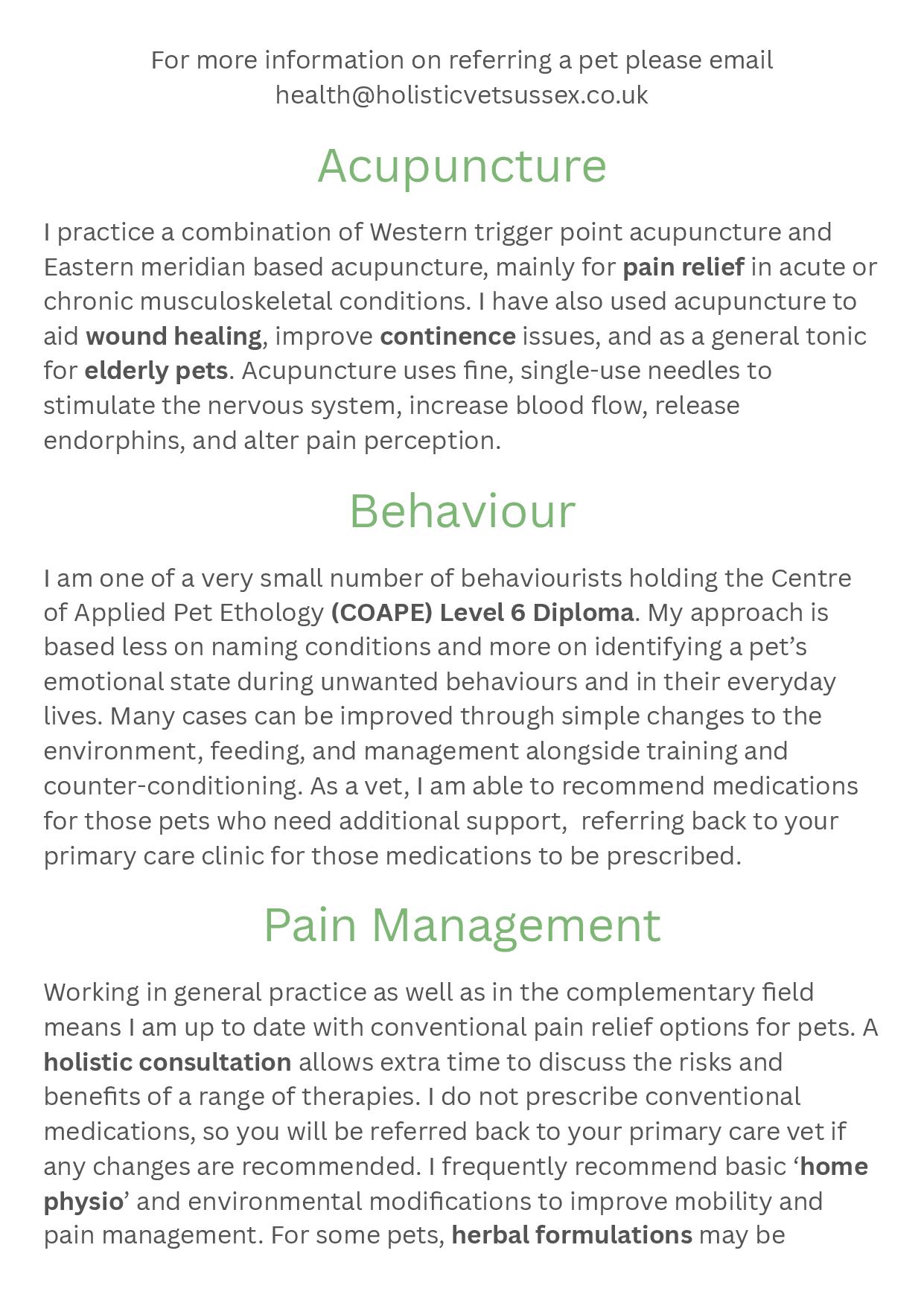
WHY DOES MY PET HAVE TO BE REFERRED?

Why does your pet need to be registered with a primary care vet, and why does that vet need to refer them before a consultation can take place?
Four Seasons Holistic Veterinary Care offers complementary therapies for your pet in your home. We do not have a clinic where we can offer routine treatments, diagnostic testing, or emergency care.
To meet RCVS requirements, your pet must have access to emergency care via your primary care practice.
I need to work with primary care vets, as patients often need radiography, blood tests, or conventional medications as part of their Holistic care, and I value the work the primary care vet has done with your pet.
Referral is simple! Request a referral form, fill out the owner section, then pass to your vet to complete. Your vet should email the form to me with any relevant clinical history. In return, I email your vet a copy of each consultation we have so that they are kept up to date with progress.
As I am usually on the road or treating pets, I prefer contact by text (07958142959) or email (health@holisticvetsussex.co.uk)
I am unable to discuss a case by phone until I have a referral form.
HOW DO I TEACH MY DOG TO BE HAPPY LEFT ALONE?
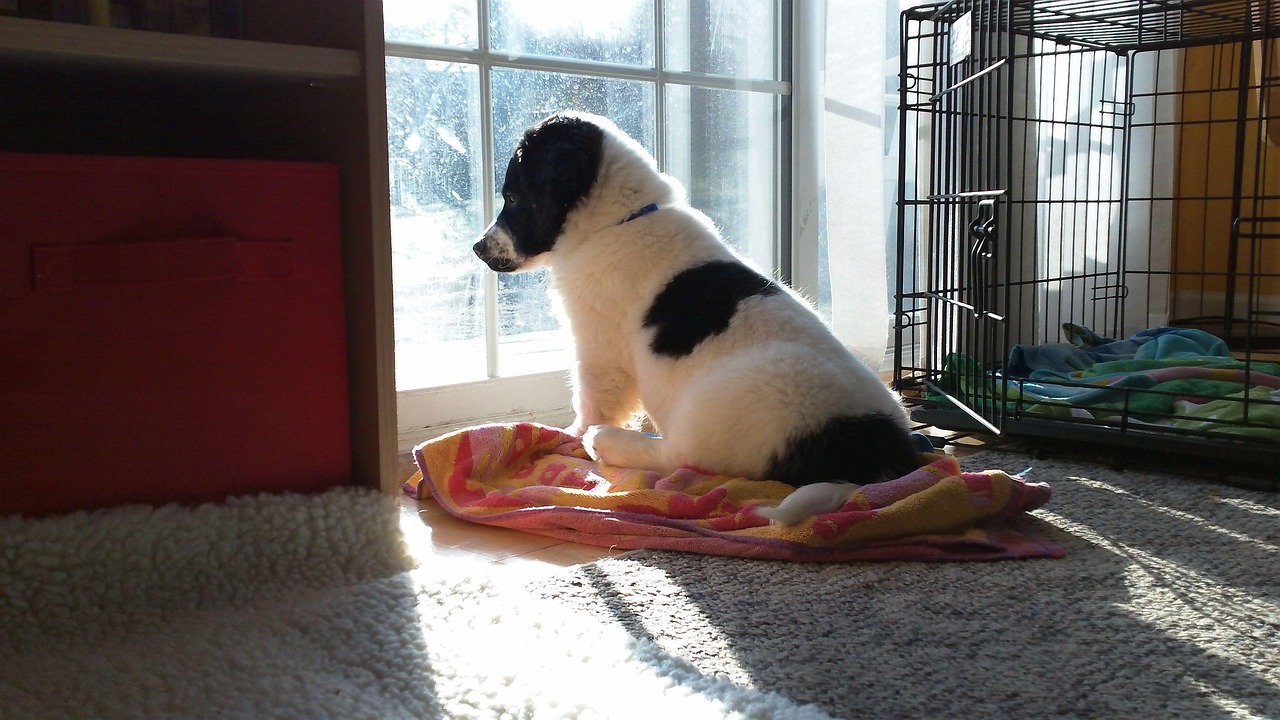
Dogs are social animals, and that’s why they fit into human families so well. Dogs are thought to have been our companions for over 30,000 years, more than 10,000 years longer than horses. Throughout most of our shared history dogs have lived, worked, and slept alongside us as hunters, guards, and pest controllers, but modern life means they must spend an increasing amount of time on their own.
RSPCA research in 2019 suggested that as many as 85% of dogs showed some signs of distress when left alone by their owners. With some ‘lockdown puppies’ still struggling, this figure may now be even higher. Dogs that are unhappy when left alone may be described as having separation anxiety, separation distress, and many behaviourists use the term separation related disorders to cover the complex range of symptoms that they see.
HOW DO I KNOW IF MY DOG IS SUFFERING FROM A SEPARATION DISORDER?
It is normal for your dog to want to come with you when they leave the house. If your dog has been properly habituated to being left, they will quickly settle on their bed. Adult dogs should sleep for 12-14 hours a day, so your workday is an ideal time for them to nap. You should come home to a dog who is happy to see you, and maybe evidence of playing with toys, but not to a scene of devastation.
Signs that your dog is not coping with being left alone include:
Noise
You may not be aware that your dog is noisy when you are out, so ask your neighbours if they hear your dog during the day. Barking is often triggered by movement or noise outside but may become excessive without a human give to reassurance. Howling is a form of communication and can be an attempt to call out to other dogs and humans. Whining can be heard with excitement, but if your dogs is alone, it is more likely to indicate anxiety or frustration.
House soiling
Dogs do not urinate and defaecate in the house because they are angry at being left, but they may lose control of their bladder or bowel if they are particularly distressed. House soiling can also bee seen if dogs are not let out frequently enough. Because emptying a full bladder leads to relief from mild physical discomfort, some dogs urinate as a form of psychological stress relief.
Destruction
Chewing is an innately relaxing activity for dogs and one which happy dogs will engage in when left alone, but stressed dogs may also chew in an effort to calm themselves. Distressed dogs may scratch doors and skirting boards in an attempt to escape confinement and may rip up toys and soft furnishings out of frustration.
Pet cameras have become affordable and allow you to see how your dog behaves when you leave. Pacing, trembling, panting (when it isn’t hot), yawning (when not sleepy), lip licking, and frequent changes of position all suggest that your dog is anxious and unsettled without your comforting presence. Some dogs may react by lying very still without relaxing or sleeping or may try to get onto your bed or sofa to comfort themselves with your scent.
WHY IS MY DOG STRUGGLING WITH BEING LEFT ALONE?
Dogs naturally live in social groups, which is why they fit so well into human families. Unless a dog is taught to cope with being left alone from early puppyhood, it is almost inevitable that they will feel a degree of stress, anxiety, boredom, and loneliness. Separation related disorders including separation anxiety have always been a problem for dogs, but many pet professional think the problem has increased since lockdown.
The Coronavirus lockdowns led to increased separation problems for several reasons. Existing dogs got used to their humans being at home more with children being home schooled, adults working from home, and others on furlough or shielding. Many families thought lockdown would be an ideal time to add a canine companion to their family, and a generation of puppies have never been left alone. Many companies now want to end or reduce working from home so the effects are still to come for some dogs.
Some dogs which have previously been fine on their own develop separation distress due to a bad experience such as someone trying to get into the house (even if it is only a delivery person!) or loud noises such as fireworks or thunder. Others start to show symptoms due to bereavement after an animal companion dies, even if they didn’t get on. Some dogs are simply bored as their physical and mental needs are not being met even when the family is at home.
Dogs suffering from medical conditions, particularly painful ones, may also show changed behaviour, including separation problems. Dogs can even find the end of the school summer holidays a challenge as their routine changes abruptly.
HOW DO I TRAIN MY DOG TO BE HAPPY WHEN LEFT ALONE?
Train your dog to go to their bed or into a crate and reward them with a tasty treat. If your dog chooses to go to their bed during training without being told make sure to reward their positive behaviour.
Treats should make up no more than 10% of your dog’s daily food intake to avoid unbalancing their diet. You can do this training at dinner time, using your dog’s food as a reward and letting them finish the meal in bed. You are trying to build a positive feeling with being on the bed.
Once your dog is happy to go to their bed ask them to ‘settle’ and take a step away. Reward your dog for staying on their bed.
Slowly build up the time your dog stays on the bed before getting a reward, and then how far away you go. If your dog appears uncomfortable or gets off the bed do not punish them but go back a step.
When you feel your dog is ready you can try to leave the room. Do this in small stages staying outside the room for just a second to start with. Once you can spend a small amount of time out of sight, start to close the door.
At this stage it can be useful to use a remote treat dispenser allowing you to reward your dog for settling on their bed without delivering it yourself.
Build up the length of time your dog spends with the door closed. You can give a food stuffed chew toy to make time alone a really positive experience. If you have a pet camera, use it to make sure your dog is really ok when you are out of the room.
If closing the door is too much for your dog, use a baby gate to start with so that your dog can get used to spending time on their own while they are still able to see and smell you.
Should I walk my dog before leaving them alone?
Your dog is more likely to settle when left if their physical and mental needs have been met. A walk before you leave your dog will allow them to urinate and defaecate, but also provides an opportunity to sniff, and maybe to play and run. If you can’t fit in a decent walk, try some scent work or toy hunting as these are very tiring games.
Do not try to exercise your dog to exhaustion as this may lead to them drinking a lot of water and needing to urinate before you get home! Give your dog some food before you leave as they are more likely to sleep after eating. You can give some of the food stuffed into a robust chew toy for extra entertainment and stress busting chewing.
HOW DO I PRACTISE LEAVING MY DOG?
Ideally start leaving your dog in the house on their own for very short periods of time before you need to leave them for real. Ensure all their needs have been met and that they are safe and secure. Leave calmly without making a fuss just as you have been doing during your earlier training.
Consider using an indoor pen to keep your dog away from doors and windows if passers-by trigger their barking. Leaving the TV or radio on can comfort some dogs and will mask sounds from outside. Routine can reassure your dog so start developing a routine during training.
What do I do if my dog has damaged things while I was out?
Do not punish your dog if you find that they have damaged your house or belongings, or if they have urinated or defaecated indoors. Shouting or punishment will increase your dog’s anxiety as they will connect it to your return, not to the damage they have caused. Try to remain calm and casual when you come in, whether you have been out for a minute or a few hours but let your dog out into the garden so they can go to the toilet.
How long can I leave my dog alone?
There is no hard and fast rule for how long a dog can be left. The RSPCA recommend no longer than four hours, but older dogs and puppies need more frequent opportunities to go to the toilet. If you need to leave your dog longer than four hours arrange for a friend or pet care professional to visit during the day to let them out. Make sure your dog has met your helper with you and that the helper understands your routines and training.
If your dog remains unable to cope with being left alone visit your vet to rule out medical conditions. A pet behaviourist may be able to help by offering an individual assessment and treatment plan. If all else fails, the use of a pet sitter or day boarding may work for you and your dog.
Calming products that can help alleviate stress for your dog
There are supplements and pheromone products which can help your dog to feel more relaxed at home. Collars and diffusers are useful during training, with calming spot-ons, tablets, and chews to add to the calming effect when you are going out. Chews and treats should be given under supervision.
Summary – How to help a dog with separation issues
Most dogs will suffer from some degree of distress when left alone unless they are trained to cope. It is easiest to avoid separation problems if you make leaving your dog for short periods of time part of your routine as soon as they are settled in your home.
Separation problems may be seen when your work patterns change, when another pet dies, if your dog has been scared at home, or due to medical conditions. Lockdown has caused sudden and dramatic changes in the number of people at home and has increased the number of dogs suffering from separation related disorders.
If your dog is still struggling with being left alone visit your vet to rule out any health problems. If no health problems are found contact a pet behaviourist for an individualised assessment and therapy plan. Consider alternative arrangement such as a pet sitter or day boarding.
GERROFF, THAT’S MINE! THE RESOURCE GUARDING DOG

WHAT IS RESOURCE GUARDING?
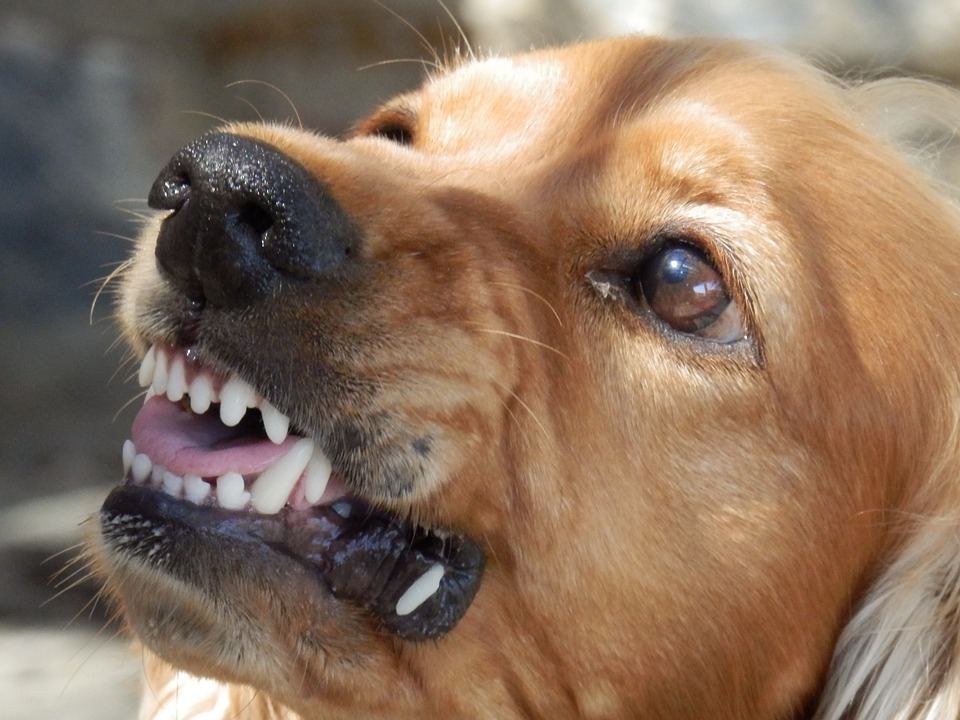
Resource guarding is term used for situations where a dog shows protective or aggressive behaviour over something. Dogs who growl when people approach their food bowl, or when a dog or person tries to take a toy from them are common examples. Less obviously a dog can show resource guarding to people, their bed, the sofa or any other things that they perceive as important to them.
WHY DO DOGS SHOW RESOURCE GUARDING?
Guarding important resources such as food is a natural behaviour for dogs. Some breeds have stronger tendencies to guard food and objects. Dogs developed for guarding are more likely to guard their people and homes, gundog breeds can be possessive over food and toys.
How puppies are raised by their breeder can influence how likely a dog is to guard food. Where puppies are fed from one bowl, especially if there is insufficient food, they need to fight for their share and are more likely to show food guarding as adults. Feeding from multiple bowls may reduce the risk of food guarding.
Adult dogs that have had to share bowls, or who have suffered periods of not being fed enough may also develop food guarding issues. Any dog may guard high value treats or food such as raw bones, or found ‘foods’ like roadkill and discarded human food.
Dogs can develop guarding whenever resources are limited. If there are multiple dogs and only a few toys the toys become valuable, the same can be true of the best bed or spot on the sofa! Where one person is the main carer they are also an important resource and a dog might worry that another dog or person is going to reduce their access to their carer.
WHAT DOES RESOURCE GUARDING IN DOGS LOOK LIKE?
Dogs might show very obvious signs of guarding food, an object, a place, or a person such as growling and barking when another animal or person approaches. However, growling and barking are the final warnings before a dog snaps and bites. More subtle signs of guarding can include yawning and lip licking, standing over an object, freezing, and stashing objects. Eating very quickly or swallowing toys or found objects can also be signs of resource guarding.
HOW CAN I PREVENT RESOURCE GUARDING IN DOGS?
Breeders can reduce the risk of resource guarding in their puppies by feeding from multiple bowls, and providing enough toys and safe sleeping spaces that puppies don’t need to fight over them. Puppies will play fight over toys and enjoy tug-of-war games, but there should always be options for them to have their own things.
When bringing a puppy into your home it is important to teach them that you aren’t a threat to the resources they need for survival. You should provide your puppy with a safe, comfy bed and never grab them from their bed. If you need to get your puppy out of their safe place lure them out for a food treat or a toy.
Spending time with your puppy or new dog as they eat is a good way to avoid food guarding. Hand feeding some of the meal, or adding extra to the bowl as your dog eats will mean that they see people near the bowl as a good thing! Never take food from a puppy or dog that is eating, if you need to move them away lure them with a high value treat or their favourite toy. Holding a chew treat to make it easier for your pet to eat is a great way to build a bond and avoid food guarding.
Teach your dog to swap toys and found objects with you. Gundog breeds especially need an outlet for their retrieving behaviours and will pick up less objects at home if you play hunting and fetching games on their walks. If your dog has something dangerous or expensive in their mouth call them excitedly and offer a delicious food treat or a favourite toy as a swap.
If your dog picks up things you would rather not touch, like roadkill or cat poop, you can teach a ‘drop’ cue. Start at home with a toy and show your dog another toy or a food treat, as they drop the one in their mouth add the cue ‘drop’ and give them the toy or treat your have. A solid ‘leave’ cue is also useful in preventing or treating resource guarding.
HOW TO MANAGE A DOG THAT SHOWS RESOURCE GUARDING
It is important never to punish a dog that shows resource guarding. Most dogs with resource guarding are already fearful that they will lose the thing they want so chasing, shouting, or grabbing the object will make them feel even more concerned. Never ignore the body language and growls of a dog that is resource guarding as the next step on the ladder of aggressive behaviour is a bite.
Confrontations with dogs that guard food or objects must be avoided. During training dogs should be allowed to enjoy their food, chews, or toys in peace except during training sessions. It is usually best for one person to work on guarding with other members of the household joining training later on. A crate, puppy pen, or stair gate may be needed to prevent dogs accessing things they shouldn’t have such as shoes and children’s toys and to reduce the risk of people, especially children, disturbing the dog.
Dogs with resource guarding issues should have a thorough vet check before training begins. Conditions which cause pain, excess hunger or thirst, or hormonal disturbances can contribute to protective behaviours. It is often preferable to have a qualified behaviourist to assess dogs with guarding behaviours, develop a treatment plan, and demonstrate exercises.
For food guarding: offer the dog low value food in their bowl. Approach from the side and without making eye contact but stop before the dog stops eating or starts eating faster. Throw higher value food or treats into the bowl. Over time your dog will associate people approaching their bowl with getting better food.
For toy guarding: teach your dog to swap toys for other toys, a tuggy game, or food. Have two of their favourite toy!
For guarding beds and sofas: teach your dog ‘on’ and ‘off’ cues. When necessary use a high value treat or toy to lure them off their resting place. Offer alternative resting places.
MY DOG WON’T LET OTHER PEOPLE CLOSE TO ME, WHAT CAN I DO?
Guarding their person can be a more difficult problem behaviour to deal with. Training your dog to move away from you to a mat or bed for a food reward is one way to get space around you. Remote treat dispensers can help you give a food reward while at a distance.
If your dog doesn’t like other members of your household coming close, having those people take on some of the caring duties can help make you a slightly less important resource.
RESOURCE GUARDING IN MULTI-DOG HOMES
Reduce the risk of guarding in multi-dog homes by providing multiples of every important resource. Dogs should have access to water, sleeping places, and toys without having to compete. If one or more dogs shows aggressive behaviour around food, chew treats, or specific toys it may be necessary to use crates, pens, or baby gates to separate the dogs.
Ensuring all dogs get sufficient quality time with their person and have their mental and physical needs met can avoid ‘jealousy’ between them.
CAN DIET OR MEDICATION HELP WITH RESOURCE GUARDING?
Dogs that struggle to learn new skills or that show other anxious behaviours may benefit from dietary manipulation to support healthy brain chemistry. Some dogs may benefit from calming supplements, or even vet prescribed medications alongside a behaviour training plan. Four Seasons Vet Vicky Payne can advise on diet, supplements, and medications.
We LOVE working with resource guarding cases! For an at home behaviour assessment and treatment plan please email health@holisticvetsussex.co.uk
GETTING A NEW PUPPY
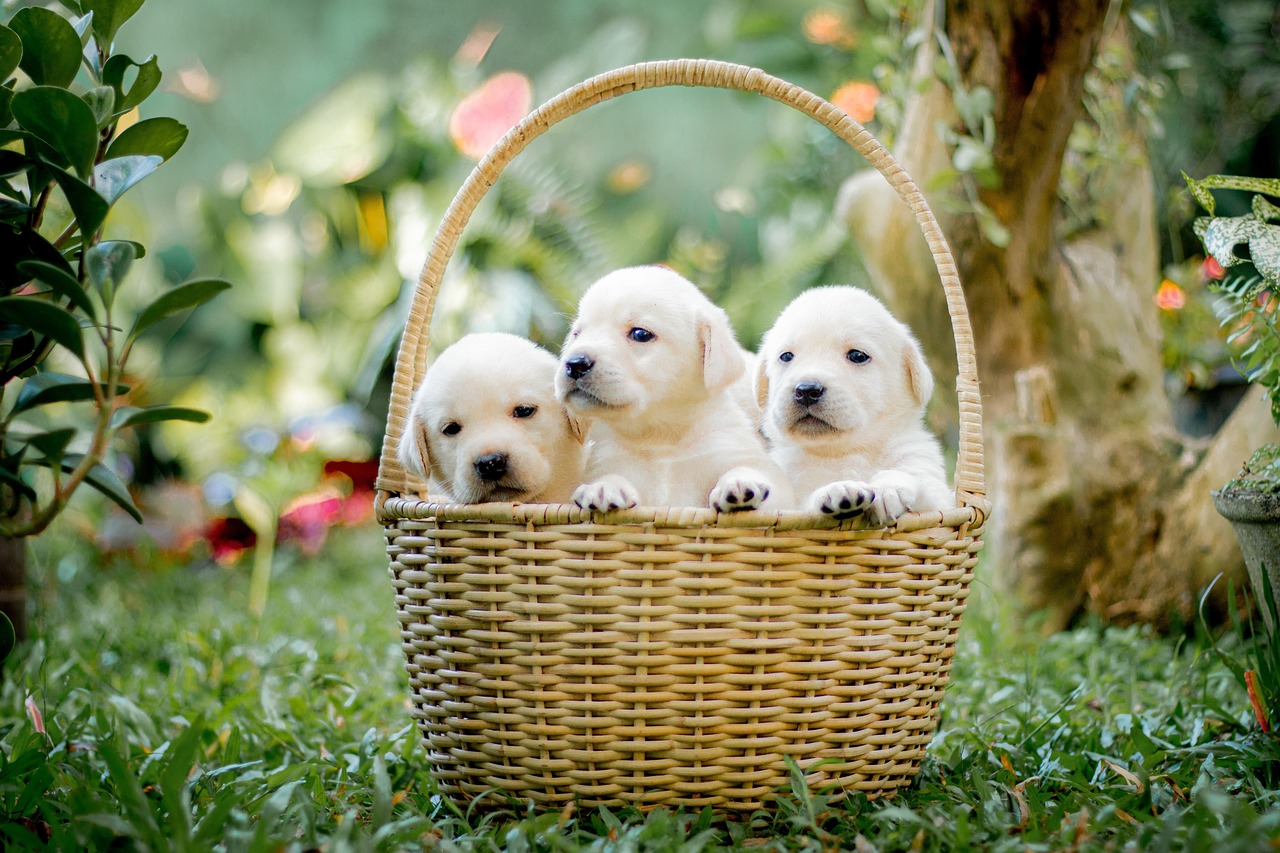
Deciding to add a new puppy to your family is big decision that can’t be taken lightly. A puppy is a 15-year commitment, and you are responsible for every aspect of their life. Puppies are great fun, but they are also hard work. By planning ahead and being prepared you can choose the perfect new best friend.
Am I ready for a puppy?
There are many benefits to adding a puppy to your family. Studies show that pet ownership can reduce stress and improve physical and mental health. However, it isn’t fair to get a puppy to try and fix problems in your life.
A puppy won’t be a running or hiking partner for 12-18months and they will test your patience at many stages in their development. Puppies can be great companions for children, and some can help children and young adults with additional needs, but not all puppies are suitable for these roles and specialist advice should be sought.
With correct preparation, and adequate physical and mental stimulation adult dogs can be eft for several hours a day while their families are at work and school. Puppies need someone at home with them all the time for their first few weeks as they settle in an learn that they can be safe ‘home alone’. Before bringing a puppy home it is important that you have arrangements in place for their support in the first weeks and beyond.
Puppies are expensive, a 2023 study suggested that a dog costs over £1500 a year to care for. Before looking for a puppy ensure that you have the budget for their purchase price or adoption fee as well as investigating the costs of daily care such as feeding, bedding, routine veterinary care, and insurance. You also need to be able to fund emergency care and have a plan about who will care for your dog if you can’t, both short and long term.
What sort of puppy would suit my family?
There are over 200 pedigree dog breeds recognised by the Kennel Club in the UK, and many more across the world. There are also lots of popular crossbreeds such as ‘Labradoodles’ and Lurchers, as well as mixed breeds. There is a breed, cross, or type of dog out there to suit almost every family!
When thinking about what sort of puppy will suit your family think about how active you are, how big your home is, how much time you will have for grooming, and whether you might want to take part on any dog sports. Surprisingly some large breeds can be very chilled out and take up less space in the home than very active smaller breeds! The Kennel Club website has descriptions of all the recognised breeds and suggestions on how much exercise and grooming they need which can be helpful in drawing up a shortlist.
Breed enthusiasts are always happy to talk to prospective puppy families about whether a breed will suit them. Discover Dogs at Crufts in March is an excellent place to meet the breeds in real life and maybe meet breeds you’d never considered! If you are considering a crossbreed, look at the profiles of the parent breeds as your puppy could show a mix of those traits.
Research what breeds were developed for. Expect spaniels to hunt, collies to herd, terriers to dig, and many small dogs to bark. Once you have chosen a breed, or at least made a shortlist, and met those breeds in person, you can start looking for a puppy!
Where should I look for a new puppy?
The best way to find a new best friend is to make contact with a breeder who has a litter planned. This allows you to meet the mother and maybe the father and discuss whether the puppies they have planned will fit in well to your home. Breeders may list planned litters on their website or on breed club websites and will want to have a good waiting list of prospective buyers before mating their dogs.
The Kennel Club website lists registered puppies for sale, as do some specialist dog websites. Be wary of puppies advertised in the local paper or on free-ad sites. The best breeders rehome their puppies by word of mouth and may never advertise at all.
Rescue and rehoming centres occasionally have puppies available which may be pure or mixed breed. Unlike puppies from a breeder, you won’t usually be able to find out anything about the father. Rescue pups can be a real surprise and may turn out very different from their mother.
When searching for a puppy expect to be asked lots of questions by the breeder or rescue to determine if you are able to offer a suitable home. You should also have your own list of questions. Important things to ask about include:
- Are the puppies raised in the home?
- Why did you breed this litter?
- Can I see the health tests for mum and dad?
- Will I be able to watch the development of the litter on a video stream or similar?
- Will my puppy be vaccinated/ flea treated/ wormed?
- What do you do to get the puppies ready for the outside world?
Remember that being on a waiting list is no guarantee of getting a puppy. If you are not successful the breeder may be able to recommend another litter, or suggest you wait until they breed again. The right puppy is worth waiting for.
How do I choose my new puppy?
You should be able to visit the litter from about 4 weeks of age when the mum is more relaxed about visitors (and the puppies are more interesting!). Some breeders will help you choose the puppy that best suits your circumstances, but generally avoid any very shy or nervous puppies unless you have a lot of puppy raising experience. Your choice may be limited if you are specific about the gender or colour of puppy you want.
Usually after spending a bit of time being climbed all over by a busy litter of puppies there will be one or two that take your eye. The breeder should be able to tell you about their personality, though bear in mind that this can change as they grow up.
What do I need before I bring my puppy home?
Good breeders and rehoming centres will provide an information pack for you to read through outlining how they have raised the litter, and what you will need to do when you get your puppy home. Key information you need includes:
- When the puppy has been vaccinated/ flea treated/ wormed and when this is due again.
- Information on the breed including health issues, grooming needs, training and exercise requirements.
- Information on diet (what they have been feeding, how much and when).
You should prepare for your new puppy by setting up a crate or bed in a pen to provide a safe and secure ‘bedroom’ for them. Buy in some of the food they have been eating and some tasty puppy treats. Consider plugging in a calming pheromone diffuser a few days before your puppy comes home to help them settle in.Calming collars and sprays can also be very useful to help your puppy during the first few stressful days
Choose some suitable toys for your puppy. Your puppy will appreciate a soft toy to snuggle up with and toys that you can fill with foodlike this chewy snake. Get a suitable sized collar for your puppy with a tag engraved with your name and address on.
Your puppy needs to be secure on their journey home so look for a travel box that you can snuggle them into. It is useful to have someone to watch the puppy on the journey home and someone else to drive to avoid dangerous distractions. Pheremone spray can be used in the travel box and try to take a toy or bit of bedding from the breeder which smells familiar.
When you collect your puppy expect to sign a contract which is designed to protect your rights, the breeder, and most importantly the puppy! You should receive your puppy’s microchip information (it is a legal requirement that puppies are chipped before sale), and registration documents, and information on their vaccinations (if given), flea, and worm treatment.
First days and nights with my new puppy!
Going to a new home is very stressful for a puppy, no matter how well the breeder and their new family have prepared. When you get your puppy home let them into a secure outdoor space to go to the toilet and then settle them into their puppy den. Offer some food and water, but don’t be surprised if they need coaxing to eat at first.
In the first few days just let your puppy settle in, bond with you, and learn where they should go to the toilet. Take them out for regular toileting breaks and play sessions but appreciate that your new arrival will need 16-18 hours sleep!
Your puppy may be unsettled at night at first as they will always have slept with their siblings. Some puppies will be happy in their pen on their own as long as you are nearby when they fall asleep. Others will wake frequently and need regular reassurance so you may want them to sleep near your bed, or you might camp out on the sofa! Your puppy will need to go to the toilet at some point in the night and you can choose to wake them up at a set time and take them out, or to wait for them to wake you up. Each day they should be able to hold things a little longer but expect accidents and setbacks.
If you want to change your puppy onto a new food, do this after 1-2 weeks when your puppy is settled in. Mix the new food in with the old one over a few days to avoid your puppy getting a tummy upset.
Book you puppy in for a vet visit in the first week for a health check, and to discuss vaccinations, flea, and worm treatments.
Our Vet Vicky LOVES to talk to potential puppy owners about making the best choice, as well as supporting them through those early days. Contact us at health@holisticvetsussex.co.uk for any puppy help!
PAIN AND PROBLEM BEHAVIOUR
How are Pain and Behaviour Problems Related?
Pain may be part of the reason for problem behaviours in up to 80%of cases. If an underlying painful condition is not identified and treated it is unlikely that the problem behaviour will be completely resolved. In some cases the problem behaviour disappears entirely when pain is addressed and no behavioural therapy is required!
Pain can affect behaviour in a number of ways. Behaviour may change because a dog is trying to avoid pain, or because pain is making them less tolerant of other things. Pain can reduce the amount of rest and quality sleep a dog gets and lack of rest is a significant factor in problem behaviours.
What Problem Behaviours May Be Due to Pain?
Almost any problem behaviour could be caused or made worse by pain, but common examples would include:
Refusing to go on walks or get into the car
Aggressive behaviour when stroked, groomed, or handled
Aggressive behaviour toward people, dogs, and other animals
Separation related distress
Self-mutilation (chewing or licking bodyparts until they are sore)
Cognitive decline symptoms in older dogs
Loss of house training
Sound sensitivity and noise phobias
Pain should be considered in all problem behaviours, especially when they start suddenly or become worse in a short space of time with no other obvious trigger.
How do I tell if my Dog is in Pain?
Before starting training or a behaviour modification plan for your dog it is advisable to ask your vet to do a thorough assessment for pain. This can be a challenge if your dog is scared in the vets or if their problem behaviour relates to being handled. Key areas your vet should look at include:
The mouth and teeth
The ears
The musculoskeletal system
The digestive system
You can help your vet identify possible sources of pain by watching your dog at home. Do they eat gingerly or chew on one side? Do they shake their head or scratch at their ears? Are they stiff when they get up or do they find getting on the sofa difficult? Are their poops normal and passed regularly?
Sometimes your vet may suspect pain but be unable to find what part hurts. In these cases the vet may suggest a trial of painkiller for a couple of weeks to see if the problem behaviour improves.
How can I help my dog with their Pain?
Your vet will prescribe appropriate medication for the painful condition that your dog has. In some cases, like an ear infection, one course of medication may be enough. If there is dental pain your dog may need extractions under anaesthetic. Occasionaly there may be a surgical solution to a painful problem.
Arthritis could require long term medication, but physiotherapy, hydrotherapy, acupuncture, non-slip flooring, supportive beds, and supplements can also be helpful.
Your behaviourist or trainer should be made aware of any medical conditions your dog has and medications that they are taking. Some medications can affect the way a dog learns, and it is important that any interventions (such as increasing exercise, playing with toys, or handling exercises) are designed to minimise the risk of causing further pain.
How Can Four Season Holistic Veterinary Care Help?
Our vet Vicky can often pick up on pain at a home visit that may be missed at the vets. She is able to help with acupuncture, herbal medicines, and exercise advice. As a veterinary behaviourist she can also work with complex cases where pain and problem behaviour are both present.
A BITE FROM THE BLUE – DOES YOUR DOG HAVE RAGE SYNDROME?
DOES MY DOG HAVE ‘RAGE SYNDROME’?
Probably not.
‘Rage syndrome’ is a label applied to dogs who are described as biting their humans out of the blue and with no warning. The attacks are often described as frenzied and the dog is often said to have been acting normally seconds before the attack. ‘Rage syndrome’ is most often described in solid coloured Cocker Spaniels, especially red ones, but has also been described in other spaniels and non-spaniel breeds.
There is little good scientific research on ‘Rage syndrome’ and what there is points to this most often being a problem behaviour related to rescource guarding rather than a mysterious tendancy to attack for no reason. In their 1996 paper Podberscek and Serpell (1) did find increased aggression in solid colour cockers, but attributed most of it to ‘social dominance’ and protection of territory and possessions. They suggested there was a genetic component to the behaviour, which is not surprising as we accept that many personality traits have a genetic basis. It may have been that by paying more attention to the colours of dogs than to temperament breeders were creating pups with traits unsuitable for familiy life.
In their book ‘EMRA Intelligence’ Falconer-Taylor, Neville, and Strong (2) describe a typical case presented to the behaviourist as ‘Cocker Rage’. What they found was not a dog with an incurable genetic predisposition to unpredictable aggression, but a rather bored and frustrated dog . He was trying to communicate to his people when he was unhappy through his body language, and if they ignored that by growling, but sometimes they just didn’t hear his communication and he was pushed to snap at them. By teaching his owners how to meet his needs and listen to him, Bracken the Cocker becaome a content and safe family pet.
When someone tells me that a dog has ‘rage syndrome’ there are three key questions I ask. Could the dog be in pain? Where was the dog when the aggression occured? Was there anything of value to the dog around when the aggression occured?
Pain affects sleep, mobility, can be chronic but with acute flare-ups, it can affect mood and we appreciate in humans that it will make us short-tempered, so why not dogs? If the aggression is related to grooming and handling a through vet check to look for pain is advisable. Even aggression related to being stroked can be because the person accidentally touched a sore area.
Often the aggression is related to objects such as a bed or sofa, toys, and found items or to food and treats. It can even be connected to a particular person. This is termed ‘resource guarding’ and is understandable when you thing that without shelter, food, and protection a dog could die! Puppies need to be taught early on that humans (and other pets) are not going to steal their food. They need to be taught good cues to get off beds and furniture for a reward, and they need to be taught to give up toys or found objects on cue for a reward. Sleeping dogs should be gently roused so they aren’t startled into biting and dogs should be controlled around flash points like the front door as this area causes a complicated mix of strong emptions in so many dogs!
THE BITE FROM THE BLUE
“Yes,” you say, “but the dog I’m talking about just bit out of the blue with no warning!”
This is rarely true, at least not to begin with. Dogs are very good at communicating how they feel, but humans are not very good at listening to dogs. I say ‘listening’ but I should say ‘watching’ as most dog communication is non verbal. Early signs that a dog is not comfortable can be trying to withdrawn from contact, stiffness, a slow stiff tail wag, showing the whites of the eyes, and pining the ears back. If we ignore those the dog might try showing their teeth, standing over an object, or growling. At this point people tend to notice and might punish the dog by shouting or even hitting the dog. This works to stop the dog snarling or growling, but it doesn’t stop the dog feeling very unhappy about the situation. The dog learns not to growl, because they get punished so goes straight from subtle body language into an air snap. If you watch dogs together they are veyr good at dodging warning air snaps… people less so, and we get bitten. At this point most dogs who have been taught that biting people is not acceptable retreat and ‘look guilty’, they don’t show the frenzied attack of the ‘rage’ dog. But, if their bite is met with screaming, shouting, or hitting the dog may be so afraid that they attack as a form of self-defence. Sadly this can result in severe injuries to anyone who is in the way and could even be fatal to a child.
SO ‘RAGE SYNDROME’ ISN’T A REAL THING?
I have encountered a very small number of dogs who I believe have something pathological behind their aggression which we might call ‘rage’. In The Behavioural Biology of Dogs, Hedhammar and Hultin-Jäderlund (3) note that abnormal EEGs have been found in some dogs displaying ‘rage’ which point towards the idea that it is a form of epilepsy. I know people who live with hallucinatory forms of epilepsy which can be frightening until they get a diagnosis. I can imagine that seeing a frightening or confusing image could cause the symptoms of my ‘rage’ cases, namely dilated pupils (described by owners as trhe eyes going red as they see the retina) suggesting their ‘flight or flight’ system is triggered, and growling at thin air. People get bitten when they try to comfort the dog, or move into the field of vision and the bites are deep and multiple as when dogs are in self-defence mode.
I have not had great success with these pathological cases. Other vets and behaviourists have found anti-epileptic drugs to help some dogs, but many are euthanased as their atacks cannot be predicted or managed.
WHAT DO I DO IF MY DOGS IS GROWLING AND BITING?
- Sit down and identify when your dog growls and snaps. Often ‘random’ aggression is not so random when you really think about it. This can give you and your behaviourist clues as to why your dog isn’t happy.
- Book a vet check. Your behaviourist will want this before engaging in anything other than an emergency management plan. Make sure your vet knows why you are asking and does a thorough examination including the mouth, eyes, ears, abdomen, and musculoskeletal system. If your dog is aggressive when handled this may require pre-visit medication and a muzzle. Your vet may want to do blood tests, especially in older animals where medical conditions can make them less tolerant.
- Engage with a behaviourist who understands the emotional basis of problem behaviours such as those with COAPE qualifications and/or CAPBT members.
References
I don’t usually do references, but here are two articles you can read, and a book you can buy or find in a library that I used in writing this piece.
- https://d1wqtxts1xzle7.cloudfront.net/41637557/Environmental_influences_on_the_expressi20160127-20205-l6aq70-libre.pdf?1453905122=&response-content-disposition=inline%3B+filename%3DEnvironmental_influences_on_the_expressi.pdf&Expires=1673962846&Signature=S3zRQ5gfuyA2ZVAkEY6z4ffUqm1CUJ~BF-sD7wcVYb~mN1-M2MV2Bi2R1mqh1UOAre3R4P3fjfoh5dp1RHQoU0eSCV~~ZoHdNpuBbIMfnlwswztX-stNovVjmwA~bUgQ813RkckoqetMjI0GoMPR673tdyD7AQmfeFnjS~DoFWmOyAdM4GUFwea8Mqq-Cq8-Cf8mhmGgn6CNxClUOowicr5zF~ygHv4hVs~SEmT8mV7PLTftb5wYp8A3RKxDEjCrh08nhmfaRffnFLBHYqrYq0VgJfATMmuj5GWRMHp9ekLQ6EupkwrkIPMWfxWxvQo-eTBTdW81-y9webjbCkbRqw__&Key-Pair-Id=APKAJLOHF5GGSLRBV4ZA
- https://www.abebooks.co.uk/book-search/author/robert-falconer-taylor-peter-neville-val-strong/
- http://sherekashmir.informaticspublishing.com/671/1/9781845931872.pdf#page=253
“ARE YOU PLANNING TO NEUTER YOUR DOG?”
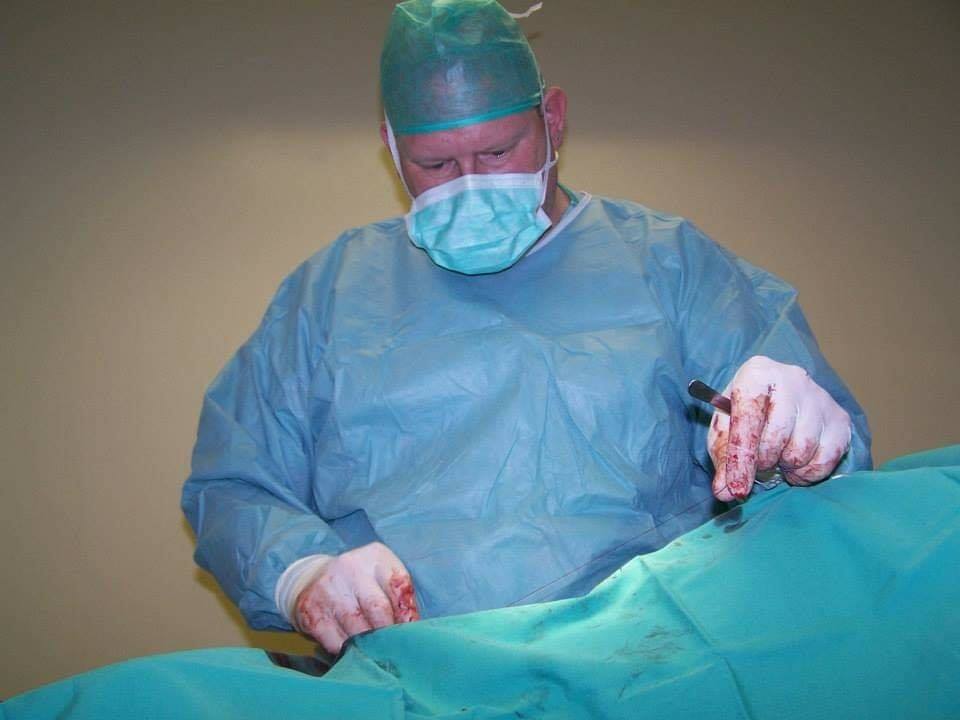
You’ve taken your puppy to the vets for their final puppy vaccination. The vet hands over the completed vaccination card, gives your puppy a treat and the says, “the next big thing is neutering, shall we get them booked in?” Yikes!
WHY IS MY VET ASKING IF I AM GOING TO NEUTER MY PUPPY?
Vets want to get a lot of information across to new puppy owners in a short space of time. Vets want you to think about your dog becoming fertile well before they do. Vets want to avoid accidental mating, unwanted litters, roaming dogs, and avoidable diseases associated with ‘entire’ dogs.
I like to introduce the dog reproduction question by asking, “are you planning to neuter your dog?” as this allows my client to guide the rest of the conversation. If they answer, “we are hoping to breed” I can discuss health testing, mate selection, all the scary negatives, and all the lovely positives. If they answer, “yes, when should we book the surgery” I can discuss the optimal time based on their individual circumstances. If they answer, “we don’t know” again, this opens up a different discussion on the pros and cons which take their circumstances into account.
SHOULD I NEUTER MY FEMALE DOG?
Most female dogs will experience their first fertile period (called a ‘season’ or ‘heat’ between the age of 6 and 18months. Larger breeds tend to have their first season later than small breeds, and the pattern often follows that of their mother. The average time between seasons is 7 months, though some bitches will only have one season a year.
During her season your bitch will have swelling of her vulva, a bloody discharge from the vulva, and she will become attractive to male dogs. The season lasts 21-28 days for most bitches with a fertile window from day 10 in the average bitch. With rapid hormonal changes you may seem changes in your dog’s temperament. During her season your dog should not be walked where other dogs might be off lead and she should not attend training classes or competitions. If you own both male and female dogs they should be kept apart during her season. Neutered male dogs can mate and tie with a bitch and if this happens when they aren’t supervised injuries can occur to both dogs.
Around 2months after her season your bitch may show signs of pseudocyesis (false, or phantom pregnancy) because she has very similar hormone levels after her season if she is pregnant and if she is not! False pregnancy usually shows as swollen mammary glands with some milk production, but it can cause a swollen belly, false labour, and behavioural changes.
BENEFITS OF NEUTERING YOUR FEMALE DOG
No seasons. This is useful for mixed groups of dogs and working/ sporting dogs where being out of action for two months of the year is undesirable.
No pregnancy. Although it should be simple to prevent unwanted mating, and despite there being drugs available to stop a pregnancy after a mismating, removing the risk of accidental puppies is a key factor in many owners choosing to neuter their female dog. This is also the prime reason rescue centres will neuter, or rehome on a neutering contract.
Reduced risk of mammary cancers. The studies on mammary (breast) cancer risk in dogs are old, but it is probably still valid to warn that the risk of mammary tumours increases exponentially after the first season. Neutering at any stage is believed to halt the risk (but not reduce it further).
Prevention of uterine disease. Pyometra is a life threatening infection of the womb which might affect as many as 1 in 4 bitches over 8 years (based on insurance company data from a country where routine neutering is banned). Uterine cancers are less common.
Other cancers. The risk of some other cancers is reduced by neutering. The research is breed specific and should be discussed with your vet.
RISKS OF NEUTERING YOUR FEMALE DOG
Surgical risk. All surgical procedures carry a risk of incidents, including death. The bitch spay is the most dangerous operation that vets do on a daily basis. Very young, very old, overweight, and sick animals are at higher risk.
Behaviour change. Most bitches have the same temperament after spaying as they did between seasons. In rare cases a bitch can become more aggressive after neutering, but these are usually slightly aggressive before and it is thought they have been masculinised in the womb by their male siblings.
Musculoskeletal problems. Several joint problems may be more likely in neutered bitches. There isn’t a clear causal link in all cases and the link could be due to higher rates of obesity in neutered dogs, different exercise patterns, or other environmental factors. Neutering before bone growth has stopped can alter the lengths of the leg bones and this could be a factor in joint problems.
Other cancers. The risk of some cancers is increased by neutering. The research is breed specific and should be discussed with your vet.
Urinary incontinence. Urine leaking is more likely in spayed bitches and may occur earlier than in entire bitches. It can be controlled with medication.
Weight and coat changes. Neutered females are at a higher risk of weight gain and long coated breeds may develop a fluffy coat. These effects can be managed!
TYPES OF NEUTERING FOR FEMALE DOGS
Traditional Ovariohysterectomy (spay). This option is still the most common in the UK. The vet makes an incision (from a few cm’s to the full length of the belly) and removed the ovaries and uterus. This operation takes 30-60minutes and dogs go home the same day. This option is suitable for all dogs, including older dogs who may have uterine disease. Exercise should be restricted for 4-6weeks.
Ovariectomy. This is a popular option in Europe where the ovaries are removed but the uterus is left. There is no risk of pyometra if the ovaries are fully removed. This option is most suited to young botches where there is a low risk of uterine disease. Ovariectomy can be performed through a traditional incision or by laparoscopic surgery. Recovery is still 4-6 weeks.
Laparoscopic spay. Increasingly popular as initial recovery may be faster and the incisions might be smaller, but the set up and anaesthetic time can be longer. Usually the ovaries are removed, but the uterus left, so this is more suitable for younger bitches. Full recovery still takes 4-6 weeks!
Medical options. An injection can be given to delay or prevent seasons. It can only be used after the first season and can increase the risk of pyometra and future infertility.
Hysterectomy. Also called ‘ovary sparing spay’ this is one which I do not believe has a place in UK dog care. The uterus is removed but the ovaries are left so the risks and benefits are the same as for an entire bitch (other than pregnancy), except that you have added surgical risk.
Tubal ligation. Useful in humans, but again, this leaves you with all the problems of an entire female apart from pregnancy.
WHEN SHOULD I NEUTER MY FEMALE DOG?
Peadiatric spay 12-16weeks. This is not common in the UK, but is requested by some breeders prior to sale, and may be done by rescue centres. The advantage is population control pure and simple and avoids having to follow up on neutering contracts. Many vets have concerns about the effects of puppies not having a normal hormonal influence as they develop, both on behavioural and physical health. Luckily, these are usually small breed dogs with lower overall risk of joint problems and where juvenile behaviour may be preferred.
Pre-pubertal spay 6-7months. This has been the preferred option of many vets and assistance dog charities for some time. The surgery is easier as the dogs are slim , and there is no complication about timing around seasons and no loss of training time at a critical stage for working dogs. Neutering at this age keeps mammary tumour risk to a minimum. These surgeries can be booked in at the last vaccination which avoids clients forgetting to book. More recently, studies have suggested that neutering larger breeds prior to puberty and the end of bone growth could increase the chance of joint problems and some cancers. Now I would recommend spaying at this age only for toy and small breed dogs or where circumstances mean that a season would be very difficult to manage.
Post- puberty. This is my preferred option in most cases where a dog is not required for breeding or showing. For most breeds of dog neutering 3-4 months after their first or second season at 18-24 months gives the best balance of risks and benefits. It is vital that there is no sign of phantom pregnancy when the bitch is spayed.
Post- puppies/ end of career. I work with a lot of working dog clients and clients who wish to breed their dogs. For these dogs I advise neutering once the breeding or competition career is over. At 7-8 years old the bitch is still fit and well enough for routine surgery, but we can remove the risk of pyometra as she gets older. I often see uterine disease in older bitches, and owners report they are ‘happier’ and ‘act younger’ after surgery so I can only imagine some have been suffering uterine pain.
No neutering. Of course, there is the option to not neuter at all. If you chose this option make sure you check regularly for mammary lumps and keep notes on the dates and duration of your dogs seasons. If you notice heavier bleeding, bleeding between her normal seasons, or symptoms of pyometra contact your vet for advice urgently.
NEUTERING MALE DOGS
Most of this blog concerns female dogs as the options, risk, and benefits are more complicated. Most clients want to neuter their male dogs because they are worried about aggression, but male hormone related aggression is really not very common. More dogs come to me with variations of fear aggression, and neutering these dogs could make them worse. Neutering male dogs will reduce urine marking, searching for females, male aggression, and distress over in-season females. It won’t calm him down or make him easier to train!
Puberty in male dogs happens from 6 months old, and will happen later in larger dogs. There will be behaviour changes as testosterone surges and falls and your dog may show mild aggression to other dogs at times. I prefer to manage male dogs through puberty and neuter them when their behaviour is stable if required.
BENEFITS OF NEUTERING MALE DOGS
Reduces ‘male’ behaviours including roaming, marking, and male aggression.
Removes the risk of testicular cancer and reduces the risk of perianal adenoma and perineal hernia.
Prevents benign prostate enlargement, but not prostate cancer.
Prevents pregnancy. Does not always prevent mating!
RISKS OF NEUTERING MALE DOGS
Surgical risk. Although castration is less dangerous than spaying there are still anaesthetic risks and potential for complications.
Behaviour change. Nervous dogs may become more fearful after neutering.
Musculoskeletal problems. A higher risk of joint disease is found in neutered male dogs, but, as with females, there could be factors such as obesity and exercise at play as well as direct effects from neutering. As with females, neutering before growth plate closure can alter the length of bones.
Cancers. The risk of some cancers increases with neutering. These risks are breed specific and should be discussed with your vet.
Weight gain and coat changes. As with female dogs, neutered males are prone to weight gain and long coated breed can become fluffy.
TYPES OF NEUTERING FOR MALE DOGS
Castration. The testicles are removed, the scrotum is usually left unless diseased. This is the most common form of neutering for male dogs in the UK. Fertility declines very rapidly (days) but male behaviours related to testosterone will take a few weeks to decrease.
Medical castration. An implant is available which stops testosterone production. The testicles shrink, but most dogs will become fertile again when the implant wears off, and it can be removed. There is a risk of increased aggression in the first 4 weeks after treatment. A shorter acting injection can also be given but this can give different behavioural results to castration.
Vasectomy. Removing a section of the vas deferens makes a dog infertile but otherwise he will behave as an entire dog. It is an uncommon procedure in the UK for dogs.
WHEN SHOULD I NEUTER MY MALE DOG?
Neutering is less time dependant in males than in females.
Paediatric neutering 12-16weeks. This is carried out by a few breeders and rescue centres before rehoming to prevent breeding. The effects on growth and behaviour are not well studied but many vets have concerns about removing hormones at such a young age.
Pre-pubertal 6-7months. This is most suitable for toy and small breeds who have finished growing but care should be taken to avoid neutering when a dog is entering puberty and has an unstable temperament.
Post-pubertal neutering. Recommended for most dogs which need to be neutered. The appropriate age will depend on the breed and also how long the effects of puberty last. Medium breeds can be neutered from 12-18months of age, but large and giant breed dogs may benefit from later neutering. There is no upper age limit for neutering, but in mature dogs may require the removal of the scrotum to reduce the risk of post-op complications such as swelling and haematoma development.
SO, WHEN SHOULD I NEUTER MY DOG?
Pet guardians and vets would like a simple answer, but the truth is there isn’t a one size fits all recommendation. Review studies have assessed all the current data to try and suggest minimum neutering ages for common breeds that take into account all the positives and negatives, but environment and lifestyle are important factors too. The bets advice is to discuss neutering with a vet your trust in order to make a plan to suit you and your dog.
DOG BEHAVIOUR HACKS
HOW DO I STOP MY DOG BARKING AT THE DELVIERY PEOPLE?

THE PROBLEM
Covid-19’s stay at home message and the closing of non-essential retail means that more people are getting shopping delivered to their homes than ever before. This means more delivery people coming to the door, knocking or ringing a bell, and sending dogs into a fury of barking. Barking at the Postie has always been a common problem, but with more people at home all day to hear the barking it may now be more of a problem than ever.
WHY DOES MY DOG BARK AT THE DELIVERY PERSON?
Dogs may bark when the door is knocked or the doorbell rung because they excited at the thought of a visitor, or, more often, because they are worried about a stranger entering their home. Despite barking at the door being a big ‘pet peeve’ for many owners, it is a behaviour that humans admired in early dogs. One of the first jobs which dogs had was barking to alert people to threats.
So, the dog barks to alert people to the potential intruder. If people are at home, they often shout at the dog. But the dogs may see this as joining in, rather than a reprimand. If there is nobody at home the dog barks and the delivery person leaves. In both cases the dog gets a reward! The people join in the barking reinforcing the dog’s opinion that barking is the right thing to do, and then the ‘threat’ goes away! The dog feels better and that behaviour becomes more likely next time.
HOW DO I STOP MY DOG BARKING AT DELIVERIES?
THE HARD WAY
It is possible to teach the dog an alternative behaviour when the door knocks. First, teach your dog to ‘go to bed’. Next have someone knock the door or ring the bell (or record the noise on your phone) before asking the dog to ‘go to bed’. Reward when he does. Over time the door knock/bell will replace you saying ‘go to bed’ and will cue the dog trotting off to his bed. This works really well for dogs that get over the top with visitors.
It is also possible to keep some of the barking by putting that on cue. Say ‘speak’ then trigger your dog to bark, join in and be very excited! Then stop and wait for your dog to stop too. As he does, say ‘quiet’ and give a food reward. If you train this well it is possible to start and stop your dog barking which is great for security, if you feel unsafe just ask your dog to speak!
The trouble with these approached is that if you aren’t there for a door knock the dog may not choose the ‘bed’ behaviour or controlled barking, and won’t be rewarded for it. It may be hard to avoid deliveries during the time you are retraining your dog.
THE EASY WAY
Move to the Falkland Islands as they do not have a postal delivery service. If that isn’t practical, remove the delivery people from your doorstep. Instead of having a letterbox on your front door, place a mailbox on your property, but as far from your door as possible. For parcels, you can buy lockboxes which also reduce the risk of theft.