VETS IN CRISIS

There is a shortage of vets
I’m struggling.
Every visit I go on, every training class I take or attend, every dog event I go to I am hearing the same thing. Pet owners can’t get an appointment with their vet. It sucks.
It sucks to call up to book your dog’s vaccination in only to be told they can’t book a routine appointment until December. It sucks to call up hoping to book a consultation on Friday afternoon when you finish early for something that isn’t life threatening, but is worrying you only to be told you will have to ring at 8.30 on the morning to see if there is space. It sucks to have to drive to a clinic 20 miles away in an Emergency because your local emergency clinic has shut down. It sucks to be the receptionist telling you this stuff too.
So what’s going on?
Brexit? Brexit carries some blame. Some of our European vets went home and it has become more expensive to employ a European vet now.
Covid? Another possible factor. Some vets from Europe and further afield went home when they realised that at any point they could be trapped in the UK, unable to get home to visit family. Long covid has also forced some vets out of the job, and still others struggle to work full time.
The job? Some older vets are retiring because they feel left behind by new drugs and new technology, some just deserve a break after 40 odd years in practice. Young vets aren’t finding the job fits their expectations; some find the routine work of a GP vet unfulfilling, others are so scared of complaints that they won’t push themselves to try new surgeries or to treat more complex medical cases. The job should be less stressful than it was when I graduated over 20 years ago… most small animal clinics have less or no out of hours and there is a huge network of referral centres for the complicated stuff. And yet… clients expect more and more and a blame culture has crept in which has us all on edge.
Big bad corporates? Full disclosure; I work for one part time and have worked for others in the past. Maybe in some the focus is on vets making money for shareholders, but that hasn’t been my experience. These companies buy practices because nobody else will. They buy them because they are a safe investment and they accept that they are high turnover, yet low profit businesses.
Money? Vets are well paid, right? Yes and no. If you have a 15minute consultation and get a bill for £100 how much do you think the vet gets? About £5. Vet practices are expensive to run so a surprisingly small percentage of your bill goes to the vet. It isn’t a badly paid job, but there are easier ways to make a living!
More pets? I don’t know if there are more pets now than a few years ago. Certainly we were warned that pet ownership was in decline and vets would need to find ways to keep clients! Covid might have changed that with people getting dogs and cats instead of going on holidays. A concern is that we might not be seeing all these new pets to advise their owners on good healthcare and this may be storing up a problem for the future.
What’s going to happen?
Sadly being a holistic vet doesn’t give me the power to see the future. We can’t whip up new vets fast, and applications to the vet schools are dropping. Paying veterinary staff more might keep some people in their jobs, but that would mean rising prices for pet owners at a time when their living costs (and the cost of running a veterinary practice!) are climbing fast. And if the job is too stressful no amount of money makes it worth staying.
How can I help my vet?
Plan ahead for routine appointments like vaccinations and medication reviews. Allow at least 2 working days when putting in a repeat prescription request. Keep up your pet’s preventative healthcare. And try to be kind, even when we can’t give you the appointment you hoped for. We are doing our best.
“ARE YOU PLANNING TO NEUTER YOUR DOG?”
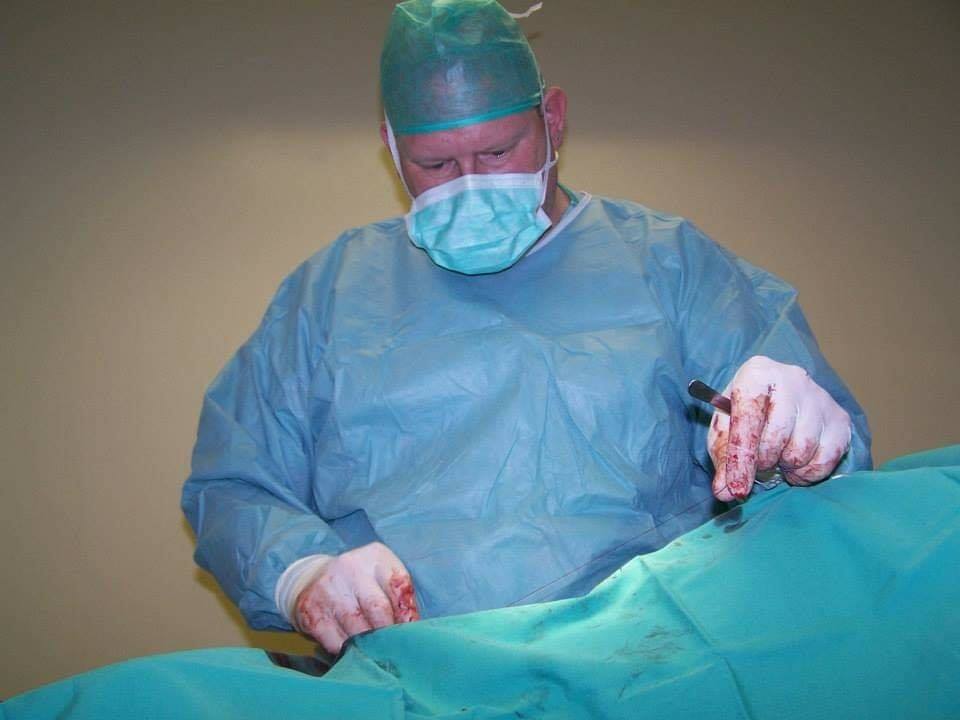
You’ve taken your puppy to the vets for their final puppy vaccination. The vet hands over the completed vaccination card, gives your puppy a treat and the says, “the next big thing is neutering, shall we get them booked in?” Yikes!
WHY IS MY VET ASKING IF I AM GOING TO NEUTER MY PUPPY?
Vets want to get a lot of information across to new puppy owners in a short space of time. Vets want you to think about your dog becoming fertile well before they do. Vets want to avoid accidental mating, unwanted litters, roaming dogs, and avoidable diseases associated with ‘entire’ dogs.
I like to introduce the dog reproduction question by asking, “are you planning to neuter your dog?” as this allows my client to guide the rest of the conversation. If they answer, “we are hoping to breed” I can discuss health testing, mate selection, all the scary negatives, and all the lovely positives. If they answer, “yes, when should we book the surgery” I can discuss the optimal time based on their individual circumstances. If they answer, “we don’t know” again, this opens up a different discussion on the pros and cons which take their circumstances into account.
SHOULD I NEUTER MY FEMALE DOG?
Most female dogs will experience their first fertile period (called a ‘season’ or ‘heat’ between the age of 6 and 18months. Larger breeds tend to have their first season later than small breeds, and the pattern often follows that of their mother. The average time between seasons is 7 months, though some bitches will only have one season a year.
During her season your bitch will have swelling of her vulva, a bloody discharge from the vulva, and she will become attractive to male dogs. The season lasts 21-28 days for most bitches with a fertile window from day 10 in the average bitch. With rapid hormonal changes you may seem changes in your dog’s temperament. During her season your dog should not be walked where other dogs might be off lead and she should not attend training classes or competitions. If you own both male and female dogs they should be kept apart during her season. Neutered male dogs can mate and tie with a bitch and if this happens when they aren’t supervised injuries can occur to both dogs.
Around 2months after her season your bitch may show signs of pseudocyesis (false, or phantom pregnancy) because she has very similar hormone levels after her season if she is pregnant and if she is not! False pregnancy usually shows as swollen mammary glands with some milk production, but it can cause a swollen belly, false labour, and behavioural changes.
BENEFITS OF NEUTERING YOUR FEMALE DOG
No seasons. This is useful for mixed groups of dogs and working/ sporting dogs where being out of action for two months of the year is undesirable.
No pregnancy. Although it should be simple to prevent unwanted mating, and despite there being drugs available to stop a pregnancy after a mismating, removing the risk of accidental puppies is a key factor in many owners choosing to neuter their female dog. This is also the prime reason rescue centres will neuter, or rehome on a neutering contract.
Reduced risk of mammary cancers. The studies on mammary (breast) cancer risk in dogs are old, but it is probably still valid to warn that the risk of mammary tumours increases exponentially after the first season. Neutering at any stage is believed to halt the risk (but not reduce it further).
Prevention of uterine disease. Pyometra is a life threatening infection of the womb which might affect as many as 1 in 4 bitches over 8 years (based on insurance company data from a country where routine neutering is banned). Uterine cancers are less common.
Other cancers. The risk of some other cancers is reduced by neutering. The research is breed specific and should be discussed with your vet.
RISKS OF NEUTERING YOUR FEMALE DOG
Surgical risk. All surgical procedures carry a risk of incidents, including death. The bitch spay is the most dangerous operation that vets do on a daily basis. Very young, very old, overweight, and sick animals are at higher risk.
Behaviour change. Most bitches have the same temperament after spaying as they did between seasons. In rare cases a bitch can become more aggressive after neutering, but these are usually slightly aggressive before and it is thought they have been masculinised in the womb by their male siblings.
Musculoskeletal problems. Several joint problems may be more likely in neutered bitches. There isn’t a clear causal link in all cases and the link could be due to higher rates of obesity in neutered dogs, different exercise patterns, or other environmental factors. Neutering before bone growth has stopped can alter the lengths of the leg bones and this could be a factor in joint problems.
Other cancers. The risk of some cancers is increased by neutering. The research is breed specific and should be discussed with your vet.
Urinary incontinence. Urine leaking is more likely in spayed bitches and may occur earlier than in entire bitches. It can be controlled with medication.
Weight and coat changes. Neutered females are at a higher risk of weight gain and long coated breeds may develop a fluffy coat. These effects can be managed!
TYPES OF NEUTERING FOR FEMALE DOGS
Traditional Ovariohysterectomy (spay). This option is still the most common in the UK. The vet makes an incision (from a few cm’s to the full length of the belly) and removed the ovaries and uterus. This operation takes 30-60minutes and dogs go home the same day. This option is suitable for all dogs, including older dogs who may have uterine disease. Exercise should be restricted for 4-6weeks.
Ovariectomy. This is a popular option in Europe where the ovaries are removed but the uterus is left. There is no risk of pyometra if the ovaries are fully removed. This option is most suited to young botches where there is a low risk of uterine disease. Ovariectomy can be performed through a traditional incision or by laparoscopic surgery. Recovery is still 4-6 weeks.
Laparoscopic spay. Increasingly popular as initial recovery may be faster and the incisions might be smaller, but the set up and anaesthetic time can be longer. Usually the ovaries are removed, but the uterus left, so this is more suitable for younger bitches. Full recovery still takes 4-6 weeks!
Medical options. An injection can be given to delay or prevent seasons. It can only be used after the first season and can increase the risk of pyometra and future infertility.
Hysterectomy. Also called ‘ovary sparing spay’ this is one which I do not believe has a place in UK dog care. The uterus is removed but the ovaries are left so the risks and benefits are the same as for an entire bitch (other than pregnancy), except that you have added surgical risk.
Tubal ligation. Useful in humans, but again, this leaves you with all the problems of an entire female apart from pregnancy.
WHEN SHOULD I NEUTER MY FEMALE DOG?
Peadiatric spay 12-16weeks. This is not common in the UK, but is requested by some breeders prior to sale, and may be done by rescue centres. The advantage is population control pure and simple and avoids having to follow up on neutering contracts. Many vets have concerns about the effects of puppies not having a normal hormonal influence as they develop, both on behavioural and physical health. Luckily, these are usually small breed dogs with lower overall risk of joint problems and where juvenile behaviour may be preferred.
Pre-pubertal spay 6-7months. This has been the preferred option of many vets and assistance dog charities for some time. The surgery is easier as the dogs are slim , and there is no complication about timing around seasons and no loss of training time at a critical stage for working dogs. Neutering at this age keeps mammary tumour risk to a minimum. These surgeries can be booked in at the last vaccination which avoids clients forgetting to book. More recently, studies have suggested that neutering larger breeds prior to puberty and the end of bone growth could increase the chance of joint problems and some cancers. Now I would recommend spaying at this age only for toy and small breed dogs or where circumstances mean that a season would be very difficult to manage.
Post- puberty. This is my preferred option in most cases where a dog is not required for breeding or showing. For most breeds of dog neutering 3-4 months after their first or second season at 18-24 months gives the best balance of risks and benefits. It is vital that there is no sign of phantom pregnancy when the bitch is spayed.
Post- puppies/ end of career. I work with a lot of working dog clients and clients who wish to breed their dogs. For these dogs I advise neutering once the breeding or competition career is over. At 7-8 years old the bitch is still fit and well enough for routine surgery, but we can remove the risk of pyometra as she gets older. I often see uterine disease in older bitches, and owners report they are ‘happier’ and ‘act younger’ after surgery so I can only imagine some have been suffering uterine pain.
No neutering. Of course, there is the option to not neuter at all. If you chose this option make sure you check regularly for mammary lumps and keep notes on the dates and duration of your dogs seasons. If you notice heavier bleeding, bleeding between her normal seasons, or symptoms of pyometra contact your vet for advice urgently.
NEUTERING MALE DOGS
Most of this blog concerns female dogs as the options, risk, and benefits are more complicated. Most clients want to neuter their male dogs because they are worried about aggression, but male hormone related aggression is really not very common. More dogs come to me with variations of fear aggression, and neutering these dogs could make them worse. Neutering male dogs will reduce urine marking, searching for females, male aggression, and distress over in-season females. It won’t calm him down or make him easier to train!
Puberty in male dogs happens from 6 months old, and will happen later in larger dogs. There will be behaviour changes as testosterone surges and falls and your dog may show mild aggression to other dogs at times. I prefer to manage male dogs through puberty and neuter them when their behaviour is stable if required.
BENEFITS OF NEUTERING MALE DOGS
Reduces ‘male’ behaviours including roaming, marking, and male aggression.
Removes the risk of testicular cancer and reduces the risk of perianal adenoma and perineal hernia.
Prevents benign prostate enlargement, but not prostate cancer.
Prevents pregnancy. Does not always prevent mating!
RISKS OF NEUTERING MALE DOGS
Surgical risk. Although castration is less dangerous than spaying there are still anaesthetic risks and potential for complications.
Behaviour change. Nervous dogs may become more fearful after neutering.
Musculoskeletal problems. A higher risk of joint disease is found in neutered male dogs, but, as with females, there could be factors such as obesity and exercise at play as well as direct effects from neutering. As with females, neutering before growth plate closure can alter the length of bones.
Cancers. The risk of some cancers increases with neutering. These risks are breed specific and should be discussed with your vet.
Weight gain and coat changes. As with female dogs, neutered males are prone to weight gain and long coated breed can become fluffy.
TYPES OF NEUTERING FOR MALE DOGS
Castration. The testicles are removed, the scrotum is usually left unless diseased. This is the most common form of neutering for male dogs in the UK. Fertility declines very rapidly (days) but male behaviours related to testosterone will take a few weeks to decrease.
Medical castration. An implant is available which stops testosterone production. The testicles shrink, but most dogs will become fertile again when the implant wears off, and it can be removed. There is a risk of increased aggression in the first 4 weeks after treatment. A shorter acting injection can also be given but this can give different behavioural results to castration.
Vasectomy. Removing a section of the vas deferens makes a dog infertile but otherwise he will behave as an entire dog. It is an uncommon procedure in the UK for dogs.
WHEN SHOULD I NEUTER MY MALE DOG?
Neutering is less time dependant in males than in females.
Paediatric neutering 12-16weeks. This is carried out by a few breeders and rescue centres before rehoming to prevent breeding. The effects on growth and behaviour are not well studied but many vets have concerns about removing hormones at such a young age.
Pre-pubertal 6-7months. This is most suitable for toy and small breeds who have finished growing but care should be taken to avoid neutering when a dog is entering puberty and has an unstable temperament.
Post-pubertal neutering. Recommended for most dogs which need to be neutered. The appropriate age will depend on the breed and also how long the effects of puberty last. Medium breeds can be neutered from 12-18months of age, but large and giant breed dogs may benefit from later neutering. There is no upper age limit for neutering, but in mature dogs may require the removal of the scrotum to reduce the risk of post-op complications such as swelling and haematoma development.
SO, WHEN SHOULD I NEUTER MY DOG?
Pet guardians and vets would like a simple answer, but the truth is there isn’t a one size fits all recommendation. Review studies have assessed all the current data to try and suggest minimum neutering ages for common breeds that take into account all the positives and negatives, but environment and lifestyle are important factors too. The bets advice is to discuss neutering with a vet your trust in order to make a plan to suit you and your dog.
IS RAW FEEDING SAFE FOR MY PETS?
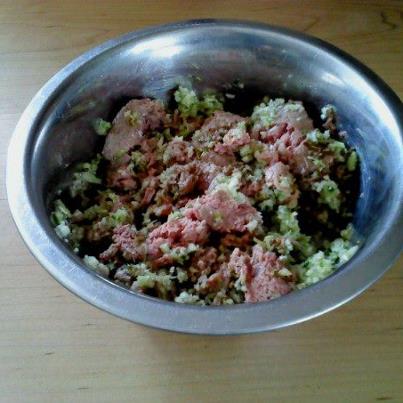
RAW FEEDING AND RESISTANT BACTERIA
A recently published study shows that dogs fed a raw diet shed more anti-microbial resistant Salmonella and E. coli than dogs fed on other diets.
Anti-microbial resistant bacteria present a real threat to human and animal health. The study made no suggestion that dogs were more likely to become ill from these bacteria if raw fed, but it does raise concerns that these bacteria could cause difficult to treat infections in people, particularly those with weakened immune systems.
HOW RAW DOG FOOD CAN INFECT PEOPLE
The risks to human health from raw feeding dogs are two-fold.
- Contamination when preparing raw dog food.
- Ingestion of bacteria from dog faeces.
REDUCING THE RISK OF INFECTION FROM RAW DOG FOOD
Raw dog food should be stored and prepared separately to human food.
Different, clearly marked utensils should be used for pets and people.
Raw food should be obtained from reputable sources.
Pet owners should consider wearing gloves when preparing raw food.
Pet bowls should be cleaned after each meal with hot water and detergent. Pet safe disinfectant may be useful for chopping boards and utensils.
IS RAW FEEDING SAFE FOR MY DOG?
Most dogs are able to eat raw food. Dogs are less likely to suffer from digestive upsets from raw food than humans due to their short digestive transit time and a robustness immune system.
The current study does not suggest that raw fed dogs are more likely to suffer from anti-microbial resistant bacteria than dogs fed other diets.
Raw diets must be carefully formulated to avoid nutritional excesses and deficiencies.
Feeding whole bones carries a risk of dental damage and obstructions of the throat and digestive tract.
Raw feeding should be avoided in dogs with a weakened immune system. This may include elderly pets and those on certain medications. If you prefer to feed a fresh diet, a home cooked one may be safer for these pets. If you are unsure if a raw diet is suitable for your dog please seek advice from a holistic vet.
IS RAW FEEDING SAFE FOR MY FAMILY?
Families with immune compromised members should avoid raw feeding their dogs.
Families with raw fed dogs should practise very good hygiene. Hands should be sanitised after picking up faeces and washed after handling dogs as microscopic particles of faeces can contaminate the coat. Allowing dogs to lick hands and faces should also be discouraged. However, these hygiene rules should be followed by all pet owning households!
Charities that take dogs into schools and hospitals may not allow raw fed dogs to take part.
Veterinary practices may employ barrier nursing for raw fed pets (and may charge additional fees for this).
FOUR SEASONS HOLISTIC VETERINARY CARE AND RAW FEEDING
We continue to support pet owners in a variety of feeding plans including raw, home cooked, and commercial wet and kibble food. We do not believe that one diet suits all pets or pet families.
This study does not change our advice significantly, but we are always happy to talk to pet owners about a suitable diet.
If you wish to read the study follow this link: https://onlinelibrary.wiley.com/doi/10.1111/jsap.13488
TRAINING IS LIFE!
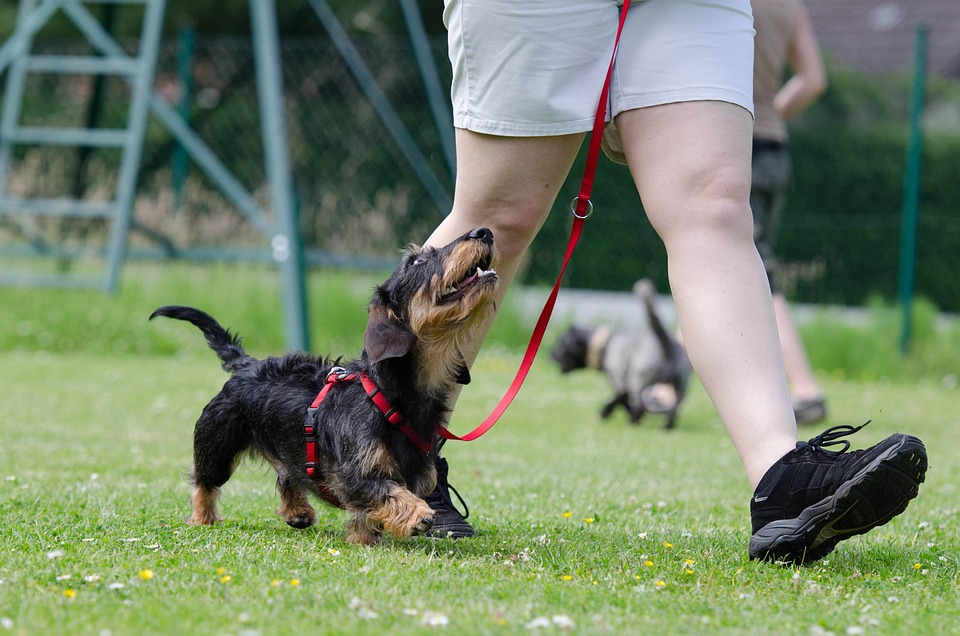
WHAT’S WITH ALL THE TRAINING? LET DOGS BE DOGS!
I follow lots of positive reinforcement and force free dog trainers and behaviourists on social media. Some of them produce the most amazing content which I share, and there are always new ideas to be picked up. But not everyone following them is a fan. On one post about a training exercises and owner commented, “why are you always training your dogs?” She said she hadn’t trained her dog at all and he was just naturally well behaved. “Why,” she asked, “should I tell my dog what to do all the time? We just love walks and hanging out. He chased a deer once so we keep him on the lead near them now.” On a gundog training group a new puppy owner asked, “When should I start training my puppy? He is 10 weeks old.” The first answer was, “I don’t train my puppies until they are 6months old.”

ALL DOGS NEED TRAINING!
Were these people lying? No. They just have a different definition of training to me. But the idea that they haven’t trained their dogs is just nuts!
Take the first lady. She definitely doesn’t just allow her dog to be a dog. Just being a dog would mean he slept where he wanted, took any food he found, toileted when and where he chose, and explored the world at will. She has taught her dog to walk on a lead without pulling, and to come back when called (unless there are deer about!). Indoors she has set out the ground rules about where the dog can go, toilet trained the dog, taught food manners, and a host of other things that make her dog nice to be around. She just doesn’t call setting some basic rules on good manners and teaching them to the dog ‘training’. But it is! Her dog can only ‘relax and be a dog’ because he has been taught the rules that allow that to happen.
Take our gundog guy. If the novice follows his advice to the letter he will be looking for someone like me to help him out when his 7 month old Cocker is a self-employed hunting machine and menace to all furred and feathered creatures. The gundog guy means that he doesn’t start formal training until 6 months. The gundog guy doesn’t call rolling socks along the floor for his puppy to fetch, using a whistle to call the pup in for his grub, waiting until the puppy sits before feeding him, or playing tennis ball hide-and-seek in the long grass training. But that is exactly what it is.
WHEN SHOULD I START PUPPY TRAINING?
Before your puppy comes home agree a list of ‘ground rules’ with the other people in your house. Agree the words you will use as cues for your puppy, and ask the breeder what cues they have already introduced (a puppy from a good breeder will come with some basic training already started!).
As soon as your puppy is home use food and toys and the comfort of being near you to start moulding their behaviour to fit your ground rules. But be flexible… you aim might be for your puppy to sleep in the kitchen on their own, but they might need you closer for their first few nights.
TRAINING IS LIFE, AND LIFE IS LEARNING.
From the minute your puppy opens their eyes, to the minute they fall asleep they are learning, so you are training! If you aren’t helping your puppy to learn the right behaviours by setting them up for success, you are making lie harer for both of you in the long run.
Training isn’t just sit, stay, come, give paw and roll over. The best owners help their puppies to learn self control and life-skills as well as following cues.
LIFE LONG LEARNING FOR DOGS- RESOURCES
We highly recommend enrolling in a puppy class either in person or online. Choose a trainer who uses positive methods (they may call themselves positive, fear free, force free or similar).
You might also enjoy the following books:
Mission Control – Jane Ardern: a book that uses fun games to help dogs learn self control.
Life Skills for Puppies – Helen Zulch and Daniel Mills: how to have a dog that fits into the modern world.
Easy Peasy Puppy Squeazy – Steve Mann: A very easy to read, and funny, guide to understanding and training your puppy
IS YOUR PET AFRAID OF FIREWORKS?

MY DOG HATES FIREWORKS – LET’S BAN THEM!
Urgh, it’s that time of year again. Firework petition season. Now, don’t get me wrong, I have serious reservations about people with no pyrotechnical training being able to buy industrial fireworks to let off in their backyard, but I think the focus of pet owner’s energy is in the wrong place.
I fully support calls for fireworks to be restricted to organised displays. The event can be advertised in advance, animal owners (and those with babies, PTSD, or who just hate fireworks) can make arrangements, and let’s be honest the displays are just a whole lot better and safer. But this still leaves a problem; what to do with the pets who are scared of fireworks.
HELPING YOUR PET COPE WITH FIREWORKS
It might seem tardy to post this after Bonfire Night…but 5th November is just the start of the fireworks season (unless you live in East Sussex where we have a big display somewhere every weekend from September to December in normal years!). Fireworks are an important part of Diwali, Christmas, and New Year events. And this year, with organised displays likely to be banned, there will be more unpredictable home displays.
HELPING YOU PET WITH FIREWORKS NOW
Walk dogs in the daylight and get cast indoors before dusk. Move outdoor caged pets inside.
Use curtains to muffle sounds and light and keep indoors well lit.
Mask noises with music or the TV.
Make your pet a secure snuggly den to hide in.
If your pet wants to snuggle up for a cuddle, let them. If they need to roam the house, let them do that instead.
Distract your pet with a game, tasty treats, or some training.
Contact your vet for calming pheremones, supplements, or medications.
HELPING YOUR PET WITH FIREWORKS FOR THE FUTURE
This is where I get frustrated. Every November there are hundreds of posts about pets being scared of fireworks. Yet how many of these pets get help from a behaviourist? I have only worked with one noise phobia case this year (he’s doing really well with a combination of more interesting walks, medication when required, and a new surround sound TV!). Whilst I don’t promise your dog will react like my spaniels (bang = where is the thing to fetch) it is possible to reduce the fear felt by most dogs through counter conditioning and desensitisation, and to come up with medication protocols for those who remain distressed.
PREVENTING FIREWORK FEAR IN YOUR NEXT PET
Look for a breeder who habituates their puppies or kittens to noise from an early age. I play my puppies CDs of fireworks, gunshot, traffic, babies….everything! This continues most days until they are at least 6 months old. I often play noises when they are eating or doing some training. As my pups get older I play the noise CDs less often, but often enough that they stay unconcerned. If they show any anxiety the volume goes down and I pair the noise with play or food. If a bang means sausage is coming it is much harder to stay worried about bangs!
Due to Covid-19 restrictions cancelling all our planned gundog work for November we now have extra appointments available. We are happy to do phone and WhatsApp consultations for noise phobias now which can be followed up with home visits next year.
Contact us at health@holisticvetsussex.co.uk for a referral form and prices.
PUPPIES AND KITTENS!
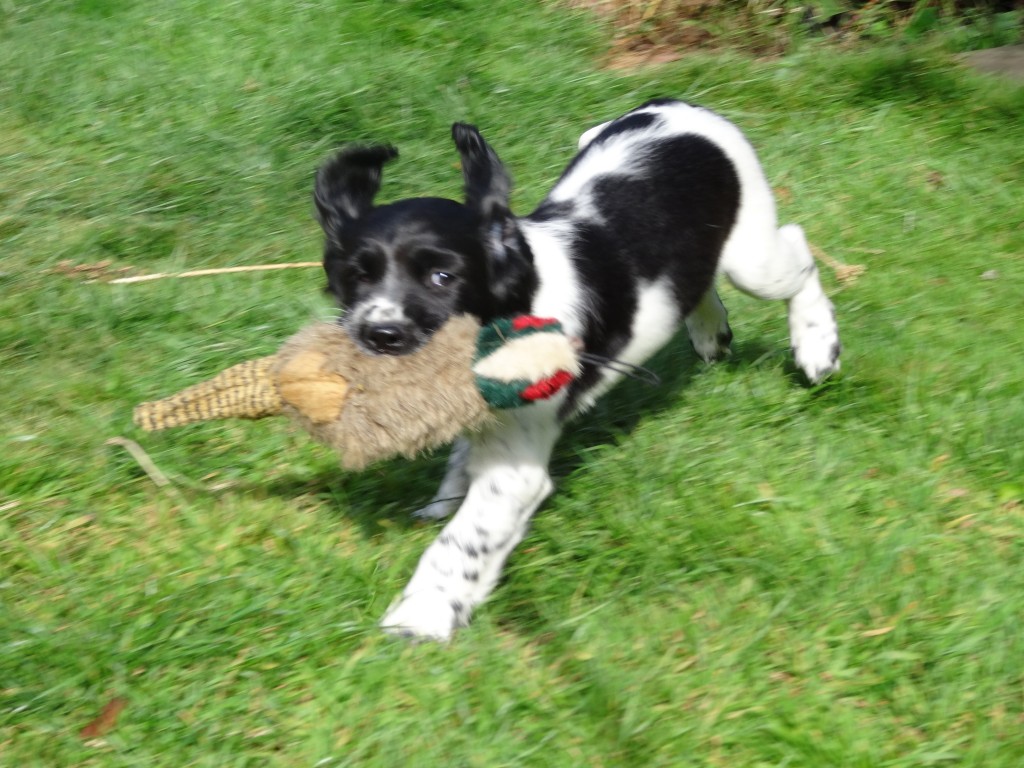
PLANNING A PUPPY OR KITTEN?
As the days get longer and the weather gets better, the idea of getting a new puppy or kitten may become appealing. Kitten season starts in the spring and many dog breeders prefer spring and summer litters so their puppies can enjoy some time outdoors.
SHOP OR ADOPT?
Taking on a pet from a rehoming centre can be very rewarding, but it isn’t always the right option. Rehoming centres may have puppies and kittens available, but information on their parents health and temperament will usually be unknown. If you rehome an adult animal, you will know much more about its size and temperament and you might be lucky enough to find yourself an instant pet with no need for housetraining. However, many pets in rehoming centres will need time and sensitive handling to manage behavioural problems. If you plan to compete or work your dog, then buying a puppy will give you a blank slate to work with, but many rehomed dogs can be trained to a high level and the police, support dog charities, and agility competitors often choose rehomed dogs.
I WANT A PUPPY
The advantage to choosing a puppy from a breeder is that you should be able to get all the information on the parents (and maybe several generations back) and to see how your puppy had been reared. Ideally choose your breed after researching breed club websites and meeting the breed. Crufts Dog Show in March has a Discover Dogs area where you can meet all the KC recognised breeds as well as areas where you can talk to experts about dog sports and training. Once you have chosen a breed which suits your lifestyle, look for a breeder. If you can find a breeder before the pups are born you will be able to follow your pups progress and the breeder can start to get your pup ready for their new life.
The best dog breeders are passionate! Expect to be shown health test results for mum and dad, as well as hearing about why their dogs are wonderful. This might be show or competition wins, their working prowess, or (most importantly) just why they are fantastic companions. Expect to be asked a lot of questions; breeders can be (and should be) very picky about where their puppies go. Good breeders offer lifetime support, and will help with rehoming if you can’t keep your puppy (at any age), but they really want you to have a long and happy time together. Look for a puppy which is reared in the home and where the breeder is introducing the pups to the sights, sounds, and smells they will encounter when they leave home. Expect to sign a contract when buying, and to be given an information pack all about your new puppy.
Be on the lookout for bad breeders. They can be very hard to spot! Increasingly puppies from puppy farms are presented as being raised in a family home. If you are not visiting until puppies are ready for sale ask to see photographs and videos of the puppies as they have grown. Good breeders are going to take loads of photos and videos! Be very suspicious if you can’t see mum. Mum might not be living in with the puppies at 8weeks as they should be fully weaned before sale, but you should be able to meet her and see the puppies interact with her. Never be rushed into buying a puppy, and never buy a sick puppy or because you feel sorry for it. Consider taking some photos and report to Trading Standards and the RSPCA if you have any concerns.
I WANT A KITTEN
If you are looking for a pedigree kitten, similar advice applies as for puppies. GFC registered kittens can’t be sold before 15 weeks. Most kittens are not pedigrees and are the result of accidental matings of domestic cats. Farm kittens can have more independent characters and some remain resolutely feral so these may not be the best option for a city home.
Again, you should feel good about the home you are buying a kitten from. It should be clean, but show evidence that cats have lived there! A friendly mum increases the chance of friendly kittens, but remember that cats are often more shy with visitors than dogs. Do not buy a kitten if it or the mother show signs of diarrhoea or respiratory disease and avoid skinny sick kittens with pot bellies and a host of fleas!
CONGRATULATIONS…NOW FOR THE HARD WORK!
Having found your perfect pet partner, the hard work begins. Book in with your vet in the first week to discuss vaccinations and parasite control. Keep in touch with your breeder as they really love to know how their ‘babies’ are doing. Book classes for your puppy to learn basic obedience and socialisation, or provide indoor entertainment for your kitten! Spend time getting them used to handling and grooming…take lots of photos and enjoy your new arrival.
WHAT NEXT IN DOGGY DIETS?

WHAT’S NEXT IN DOGGY DIETS?
Some of you may have noticed my brief appearance on The One Show earlier this year assessing the health of dogs on vegan or meat based diets. Environmental concerns are leading to more people investigating alternative diets for their pets, including feeding dogs vegan diets. Although the investigation by the show (in conjunction with Wanda McCormick at The University of Northampton) was on a very small scale, it found that homemade diets, both vegan and meat based were not providing everything the dogs needed for longer term health, but neither was the commercial vegan diet… you might also have read about grain free diets being linked to heart disease in dogs in America, raw meat diets being a health hazard to pets and their owners, and even insects being touted as the next big thing in pet foods…so…what’s going on?
GRAIN FREE DIETS AND DCM
At the time of writing the diet related dilated cardiomyopathy (DCM) cases appear to be limited to North America. The affected dogs have been fed one of a range of grain free or exotic meat based diets. Although these diets contain adequate nutrition on paper, they seem not be support heart health in some dogs. The exact cause remains unclear but the use of legumes (peas and beans) as a significant part of the diet may be to blame.
Take home message: small pet food companies may not be doing any testing to ensure they meet minimum nutritional guidelines. Those that do may only do computer balancing. Larger manufacturers do feeding trials to ensure a food can maintain health in dogs over a period of time. Look for food from PFMA members, or ask if the food meets FEDIAF guidelines.
RAW RISKS
There have been a number of papers published in the last few years highlighting the potential risks of raw meat based diets. Major areas of concern include the risk to owners from handling raw meat, and the potential for raw fed pets to shed harmful bacteria into their environment. Contaminated meat could also make pets sick, and there are numerous case reports of dogs requiring treatment for broken teeth or intestinal obstruction after eating raw bones. Studies have also shown that homemade diets may not be nutritionally balanced.
But…most of the papers on the risks from bacteria highlight a possible risk, rather than actual cases. With good hygiene practices, a raw fed dog should present very little extra risk over a kibble fed dog. After all, most dogs will eat cat faeces or roadkill given half a chance! Both raw and kibble diets have suffered recalls due to contamination in recent years. That said, caution should be taken if the household contains babies, toddlers, the elderly, or immunocompromised members, and the recommendation that PAT dogs should not be raw fed seems very sensible. Broken teeth and intestinal obstruction risks are present with raw bones, but also with many toys and chews. As with toys and chews, supervision and choosing appropriately sized bones is the key to risk mitigation.
For a balanced raw diet choose a commercial diet from a PFMA member who is meeting FEDIAF guidelines. Honey’s recently did a version of a feeding trial which showed their foods keep real dogs healthy. Alternatively, seek out the advice of a vet with raw feeding experience who can help you devise a home prepared diet for your dog.
VEGETARIAN OR VEGAN?
If you are cutting back on meat to save the planet, or have gone fully vegetarian or vegan, can your dog do the same? Dogs can survive on vegetarian diets, but may require supplementation of certain vitamins and essential amino acids. Vegan diets present a much harder challenge, especially as synthetic versions of key trace elements are removed from the market. There are several commercial vegan diets available, but if you read the small print all are described as ‘complementary’ meaning they are not designed to be fed as the only food. FEDIAF compliant complete vegetarian diets are available however, and can be useful in diagnosing and treating adverse food reactions.
BUGS!
Is the future eating bugs? The first dogs treats and foods based on insect protein are hitting the shelves and are said to offer an alternative which is better for the planet than pets consuming large amounts of high carbon footprint meat. But, pet food is made from the by-products of human meat consumption. Despite the pretty illustrations on the packaging, your dog’s dinner is not made from prime cuts of meat, but from the parts people don’t want…tongue, tendons, fascia, skin, tripe, old animals, and meat recovered by mechanical means from the bones. If this ‘waste’ didn’t become pet food it would be truly wasted… if humans significantly reduce their meat intake perhaps there won’t be enough to go around for our pets, and then we may need to look at alternatives. Personally, I think I’ll get my protein from plants rather than bugs, but a kibble made of insects will look (and I presume taste!) very much the same as one made with meat so it could be a way forward for pets. However, the problems with grain free/ exotic meat diets in the US gives me cause for concern. More work is needed to ensure insect protein provides the nutrition dogs need when fed as well as on paper.
Where does this leave us as dog owners who just want to do the right thing by our pets, the planet, and our wallets? I think we should investigate new ideas in pet feeding with an open, but enquiring, mind and we should ask pet food manufacturers large and small how they are ensuring diets are safe and nutritious for our pets to eat.
At Four Seasons Holistic Veterinary Care we take an, ‘if it ain’t broke, don’t fix it’ approach to pet diets and never ask a pet owner to change for the sake of it. However, diet can be used to treat a range of conditions and our vet Vicky will work with clients wanting to use commercial, homemade, or raw diets. Email health@holisticvetsussex.co.uk for more information.
WHAT *THIS* VET WANTS YOU TO KNOW ABOUT *THAT* EUTHANASIA POST
WHAT THIS VET WANTS YOU TO KNOW ABOUT ‘THAT’ EUTHANASIA POST
Over the last month an upsetting post has popped up on my Facebook wall again and again. In various slightly different guises it suggests that a “tired, broken-hearted vet” told the author that 90% of owners don’t stay when their pet is brought in for euthanasia, and that the pets “search for you when you leave them behind”. It goes on to call owners who don’t stay with their pets “cowards”.
Personally, I think the post is bull. I don’t think a vet wrote it, I don’t think a vet even said those things. The post simply doesn’t chime with my own experience of pet euthanasia.
PET EUTHANASIA: SHOULD I STAY OR SHOULD I GO?
I feel that the decision to stay with your pet or leave it with the veterinary staff is one that only the owner can make. I would never consider someone who felt unable to stay a coward. There are many reasons why staying might not be the right decision for some, or all, family members. The truth is that whether you stay or leave, you pet will soon die peacefully. Only you can decide if you will be haunted by seeing your pet die, or whether you will be comforted by the memories of being there in the last moments.
The exact procedure for euthanasia varies; sometimes a sedative injection is given into the muscle first, sometimes a cannula is placed in a leg vein, and sometimes the euthanasia drug is given straight into the vein. The veterinary staff may need to take your pet to another are to place a cannula or to give sedation. It is a good idea to discuss the procedure with your vet before the day so you know what to expect. With small pets such as rabbits, rats, and guinea pigs it is usual to anaesthetise them with anaesthetic gas first; for health and safety reasons you may not be allowed to be present for this part.
If you stay your pet will be settled on a comfy blanket with a nurse supporting them. It may be possible for you to hold your pet, or the veterinary team will make sure you can stroke your pet and comfort them. The euthanasia solution is painless and quickly causes unconsciousness before stopping the heart. The vet will check that the heart has stopped and will let you know that your pet has passed away.
If you choose not to stay…exactly the same thing happens. A nurse will take your place and cuddle your pet and offer treats and make sure that they aren’t looking around for you. Remember; your pet does not know that this is a euthanasia appointment and that you won’t be back together in just in tick.
If you don’t want to see your pet euthanased, but would like to spend time with their body afterwards that can also be arranged.
PET EUTHANASIA: AT HOME OR AT THE VETS?
Home euthanasia visits can be beautiful. I have sent dogs on their final journey in gardens as the sun sets, and given cats their final injection as they purr in front of a fire. But it isn’t always such a nice experience. A home visit may not be suitable for a dog that doesn’t welcome strangers in their home, and nothing is more upsetting than desperately trying to find a cat that has hidden. Again, think about yourself too…will passing the place where Rover was euthanased upset you every day? If you do choose home euthanasia make sure there is good light to allow the veterinary team to to their job, as well as finding a spot where your pet will be comfortable. Home euthanasia may not be readily be available in an emergency at night or at the weekend, so have a back-up plan.
Most pets still go to the vets for their final visit and veterinary practices try hard to make this experience as nice as possible for everyone, including the pet. The practice may book your appointment at a quiet time of day, let you enter and leave through a back door, and may have a special room so you aren’t rushed. You might like to bring a favourite treat, and a blanket which smells of home. If your pet is very afraid of the vets but can’t have a home visit either, your vet may be able to prescribe relaxing medication to give before you arrive.
PET EUTHANASIA: WHAT HAPPENS NEXT?
Whether your pet is euthanased at home, in the clinic, or dies at home your will need to make arrangements for their body. Home burial is only an option for smaller pets, or if you have a large space. Consider where there might be watercourses or underground obstructions, and also how your would feel if you left your home and pet’s body behind.
Vet practices usually have an arrangement with a pet crematorium to collect deceased pets. Options offered include communal cremation where a group of pets are cremated together before their ashes are interred at the crematorium and individual cremation where your pet is cremated on their own and ashes can be returned. Ashed can be returned in a variety of containers from cardboard ‘scatter tubes’ to wooden caskets or pottery urns. You can even have ashes incorporated into jewellery or placed into a photo frame or cast model of an animal.
Some pet crematoriums offer a collection service from your home or vets, and may even offer a same day cremation and ashes return service.
WHY EUTHANASIA DOESN’T UPSET THIS VET (MUCH)
It might sound odd, but I don’t get tired and broken-hearted by pet euthanasia. I see it as the last best thing I can do for pets who I can’t help further with surgery, or medication, or complementary therapy, or behaviour work. It is hard to see families so upset at losing their pet, but heartening to see what that pet meant to them, how it was part of their lives. I never judge on whether the family want to stay, or not, and if they can’t stay my team step in to make sure the pet knows it was loved right to the end. And we tell them that you’ve just stepped out and will be back any second. They always go knowing you loved them.
FAT DOG SLIM
FAT DOG SLIM

Lose the puppy fat!
WHY IS IT SO HARD FOR OUR PUPS TO SHED THEIR PUPPY FAT?
Our vet Vicky recently went on a course about how dogs move, but the research teams had found out about more than just the mechanics of dog locomotion.
Dogs are incredibly good at trotting. Tracking their close relatives, wolves, in Germany showed that packs covered over 30miles a day! They hunt their prey by slowly wearing it down, only going in for the kill when the prey is exhausted. Wolves can do this because trotting is incredibly energy efficient, and because they have a type of muscle fiber that doesn’t tire in the way our does. Our dogs have inherited these traits, which is why most dogs won’t tire on a walk or run before you do!
The efficiency with which dogs move may have caused a problem though. An adult dog walking 5-7miles a day uses just 5-10% of his daily calories for that exercise! Over 70% of the calories he eats are used in maintaining a stable body temperature, and the rest for digestion, repair etc. This means it is easy to overestimate how much food our dogs need. If a 30kg Labrador who gets two 45minute walks a day needs 200g of a complete dry food, he would need less than 20g extra food if he started going for two 90minute walks! And it gets worse…an overweight dog has more fat to insulate the body so less calories are needed to maintain body temperature.
Obesity is a huge problem for pet dogs. Being overweight predisposes pets to joint and mobility problems, diabetes, even some cancers. Aim for your dog to have a body condition score of 4-5. If you think your dog is overweight consult your veterinary practice for advice.
At Four Seasons Holistic Veterinary care we can help support those who want to feed a raw or homemade diet, as well as those who choose prepared foods, and we can advise on safe and fun exercise plans. Contact us for more details.

Body Condition Chart from Royal Canin
GARLIC: HERB OR HAZARD?
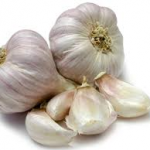
GARLIC: HERB OR HAZARD?
We’ve been asked several times later if garlic is toxic to dogs. The internet gives conflicting advice with recipes for dog treat which contain garlic, but posters listing garlic as a potential poison…so today our blog is an attempt at the truth about garlic!

Herb or Hazard?
IS GARLIC A HERBAL MEDICINE FOR DOGS AND CATS?
Yes, it is! Garlic has a very long history of medicinal use. It is useful topically crushed in water to reduce infection in wounds (something done by Roman soldiers!). Taken internally it reduces the tendency of blood to clot and improves circulation so may be suggested for older animals. Garlic has been shown to help control internal parasites, and to improve cardiovascular health. Certain garlic compounds may even have anti-cancer properties. Garlic is a great appetite stimulant so is often added to homemade treats such as liver cake, and many holistic vets recommend making garlic a regular part of dogs diets.
IS GARLIC TOXIC TO DOGS AND CATS?
Garlic is definitely toxic too, as are all members of the onion family (Alliums). These plants contain sulphur compounds which cause oxidative hemolysis if there are more of them in a red blood cell than the antioxidant metabolic pathways in the cell can cope with. Dog red blood cells have low antioxidant activity, and the haemoglobin in cat red blood cells is two to three times more susceptible to oxidative damage than the haemoglobin in other species. Certain dog breeds, especially Japanese breeds, can have genetic differences in their metabolic pathways which make them more susceptible to the toxic effects of onions and garlic. Dogs and cats with an inflamed stomach lining may also be at higher risk of toxicity.
Symptoms of Allium toxicity are initially quiet vague with vomiting, diarrhoea, abdominal pain, and lethargy. After a few days gums may be pale, or even yellow due to the breakdown of the red blood cells. Anaemia will cause weakness, a high heart rate, and high respiratory rate. There is no specific treatment, but some dogs and cats recover with supportive care and anti-oxidant supplements.
Garlic should be avoided in pets on anticoagulant drugs, and should be introduced carefully to diabetic pets. Garlic should be stopped a week before planned surgery.
HERBAL OR HAZARD: IT’S A QUESTION OF DOSE
Consumption of 5 g/kg of onions or garlic for cats, or 15 to 30 g/kg for dogs can be toxic. An average garlic clove weighs 3-4g, so your dog or cat would need to eat quite a lot in one go to become sick. There have been cases of toxicity where pets have eaten garlic or onions at lower doses over long periods of time. These have included pets fed human foods where concentrated onion powder is often added for flavour.
If you are using herbal supplements containing garlic ensure you choose one designed for cats and dogs so that you know you are giving a safe dose, and never exceed the recommended dose.
If using fresh garlic a clove (3-4g) appears to be safe for a 20-25kg dog. I usually recommend giving garlic 5 days a week to reduce the risk of long term toxicity.
Dried garlic appears safe given at around 10mg/kg, but always consult a vet before adding any herb or supplement to your pet’s diet.