“ARE YOU PLANNING TO NEUTER YOUR DOG?”
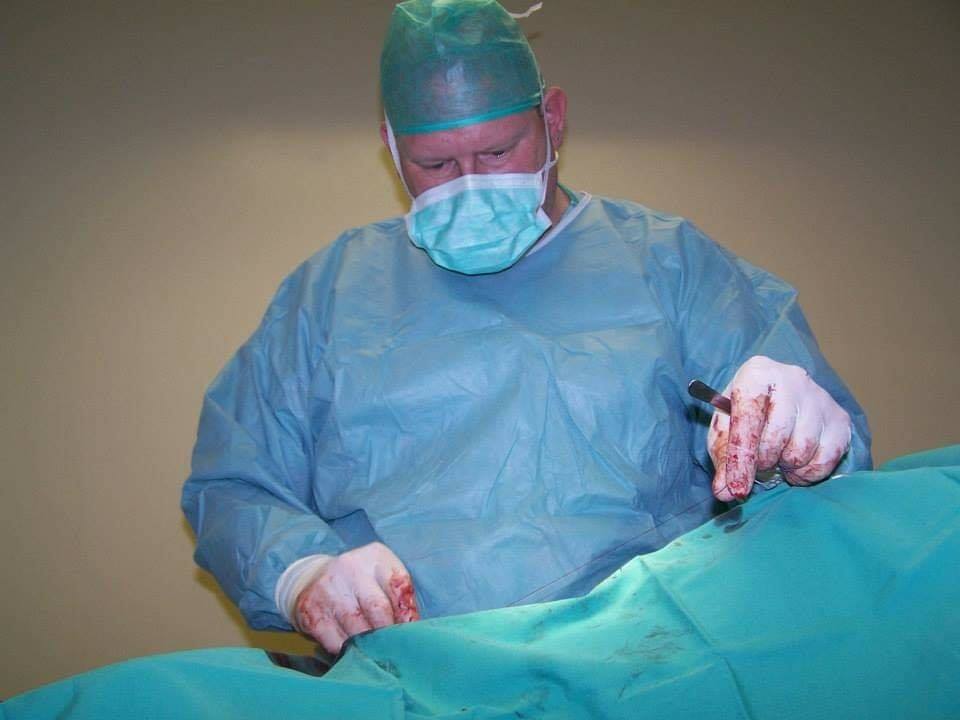
You’ve taken your puppy to the vets for their final puppy vaccination. The vet hands over the completed vaccination card, gives your puppy a treat and the says, “the next big thing is neutering, shall we get them booked in?” Yikes!
WHY IS MY VET ASKING IF I AM GOING TO NEUTER MY PUPPY?
Vets want to get a lot of information across to new puppy owners in a short space of time. Vets want you to think about your dog becoming fertile well before they do. Vets want to avoid accidental mating, unwanted litters, roaming dogs, and avoidable diseases associated with ‘entire’ dogs.
I like to introduce the dog reproduction question by asking, “are you planning to neuter your dog?” as this allows my client to guide the rest of the conversation. If they answer, “we are hoping to breed” I can discuss health testing, mate selection, all the scary negatives, and all the lovely positives. If they answer, “yes, when should we book the surgery” I can discuss the optimal time based on their individual circumstances. If they answer, “we don’t know” again, this opens up a different discussion on the pros and cons which take their circumstances into account.
SHOULD I NEUTER MY FEMALE DOG?
Most female dogs will experience their first fertile period (called a ‘season’ or ‘heat’ between the age of 6 and 18months. Larger breeds tend to have their first season later than small breeds, and the pattern often follows that of their mother. The average time between seasons is 7 months, though some bitches will only have one season a year.
During her season your bitch will have swelling of her vulva, a bloody discharge from the vulva, and she will become attractive to male dogs. The season lasts 21-28 days for most bitches with a fertile window from day 10 in the average bitch. With rapid hormonal changes you may seem changes in your dog’s temperament. During her season your dog should not be walked where other dogs might be off lead and she should not attend training classes or competitions. If you own both male and female dogs they should be kept apart during her season. Neutered male dogs can mate and tie with a bitch and if this happens when they aren’t supervised injuries can occur to both dogs.
Around 2months after her season your bitch may show signs of pseudocyesis (false, or phantom pregnancy) because she has very similar hormone levels after her season if she is pregnant and if she is not! False pregnancy usually shows as swollen mammary glands with some milk production, but it can cause a swollen belly, false labour, and behavioural changes.
BENEFITS OF NEUTERING YOUR FEMALE DOG
No seasons. This is useful for mixed groups of dogs and working/ sporting dogs where being out of action for two months of the year is undesirable.
No pregnancy. Although it should be simple to prevent unwanted mating, and despite there being drugs available to stop a pregnancy after a mismating, removing the risk of accidental puppies is a key factor in many owners choosing to neuter their female dog. This is also the prime reason rescue centres will neuter, or rehome on a neutering contract.
Reduced risk of mammary cancers. The studies on mammary (breast) cancer risk in dogs are old, but it is probably still valid to warn that the risk of mammary tumours increases exponentially after the first season. Neutering at any stage is believed to halt the risk (but not reduce it further).
Prevention of uterine disease. Pyometra is a life threatening infection of the womb which might affect as many as 1 in 4 bitches over 8 years (based on insurance company data from a country where routine neutering is banned). Uterine cancers are less common.
Other cancers. The risk of some other cancers is reduced by neutering. The research is breed specific and should be discussed with your vet.
RISKS OF NEUTERING YOUR FEMALE DOG
Surgical risk. All surgical procedures carry a risk of incidents, including death. The bitch spay is the most dangerous operation that vets do on a daily basis. Very young, very old, overweight, and sick animals are at higher risk.
Behaviour change. Most bitches have the same temperament after spaying as they did between seasons. In rare cases a bitch can become more aggressive after neutering, but these are usually slightly aggressive before and it is thought they have been masculinised in the womb by their male siblings.
Musculoskeletal problems. Several joint problems may be more likely in neutered bitches. There isn’t a clear causal link in all cases and the link could be due to higher rates of obesity in neutered dogs, different exercise patterns, or other environmental factors. Neutering before bone growth has stopped can alter the lengths of the leg bones and this could be a factor in joint problems.
Other cancers. The risk of some cancers is increased by neutering. The research is breed specific and should be discussed with your vet.
Urinary incontinence. Urine leaking is more likely in spayed bitches and may occur earlier than in entire bitches. It can be controlled with medication.
Weight and coat changes. Neutered females are at a higher risk of weight gain and long coated breeds may develop a fluffy coat. These effects can be managed!
TYPES OF NEUTERING FOR FEMALE DOGS
Traditional Ovariohysterectomy (spay). This option is still the most common in the UK. The vet makes an incision (from a few cm’s to the full length of the belly) and removed the ovaries and uterus. This operation takes 30-60minutes and dogs go home the same day. This option is suitable for all dogs, including older dogs who may have uterine disease. Exercise should be restricted for 4-6weeks.
Ovariectomy. This is a popular option in Europe where the ovaries are removed but the uterus is left. There is no risk of pyometra if the ovaries are fully removed. This option is most suited to young botches where there is a low risk of uterine disease. Ovariectomy can be performed through a traditional incision or by laparoscopic surgery. Recovery is still 4-6 weeks.
Laparoscopic spay. Increasingly popular as initial recovery may be faster and the incisions might be smaller, but the set up and anaesthetic time can be longer. Usually the ovaries are removed, but the uterus left, so this is more suitable for younger bitches. Full recovery still takes 4-6 weeks!
Medical options. An injection can be given to delay or prevent seasons. It can only be used after the first season and can increase the risk of pyometra and future infertility.
Hysterectomy. Also called ‘ovary sparing spay’ this is one which I do not believe has a place in UK dog care. The uterus is removed but the ovaries are left so the risks and benefits are the same as for an entire bitch (other than pregnancy), except that you have added surgical risk.
Tubal ligation. Useful in humans, but again, this leaves you with all the problems of an entire female apart from pregnancy.
WHEN SHOULD I NEUTER MY FEMALE DOG?
Peadiatric spay 12-16weeks. This is not common in the UK, but is requested by some breeders prior to sale, and may be done by rescue centres. The advantage is population control pure and simple and avoids having to follow up on neutering contracts. Many vets have concerns about the effects of puppies not having a normal hormonal influence as they develop, both on behavioural and physical health. Luckily, these are usually small breed dogs with lower overall risk of joint problems and where juvenile behaviour may be preferred.
Pre-pubertal spay 6-7months. This has been the preferred option of many vets and assistance dog charities for some time. The surgery is easier as the dogs are slim , and there is no complication about timing around seasons and no loss of training time at a critical stage for working dogs. Neutering at this age keeps mammary tumour risk to a minimum. These surgeries can be booked in at the last vaccination which avoids clients forgetting to book. More recently, studies have suggested that neutering larger breeds prior to puberty and the end of bone growth could increase the chance of joint problems and some cancers. Now I would recommend spaying at this age only for toy and small breed dogs or where circumstances mean that a season would be very difficult to manage.
Post- puberty. This is my preferred option in most cases where a dog is not required for breeding or showing. For most breeds of dog neutering 3-4 months after their first or second season at 18-24 months gives the best balance of risks and benefits. It is vital that there is no sign of phantom pregnancy when the bitch is spayed.
Post- puppies/ end of career. I work with a lot of working dog clients and clients who wish to breed their dogs. For these dogs I advise neutering once the breeding or competition career is over. At 7-8 years old the bitch is still fit and well enough for routine surgery, but we can remove the risk of pyometra as she gets older. I often see uterine disease in older bitches, and owners report they are ‘happier’ and ‘act younger’ after surgery so I can only imagine some have been suffering uterine pain.
No neutering. Of course, there is the option to not neuter at all. If you chose this option make sure you check regularly for mammary lumps and keep notes on the dates and duration of your dogs seasons. If you notice heavier bleeding, bleeding between her normal seasons, or symptoms of pyometra contact your vet for advice urgently.
NEUTERING MALE DOGS
Most of this blog concerns female dogs as the options, risk, and benefits are more complicated. Most clients want to neuter their male dogs because they are worried about aggression, but male hormone related aggression is really not very common. More dogs come to me with variations of fear aggression, and neutering these dogs could make them worse. Neutering male dogs will reduce urine marking, searching for females, male aggression, and distress over in-season females. It won’t calm him down or make him easier to train!
Puberty in male dogs happens from 6 months old, and will happen later in larger dogs. There will be behaviour changes as testosterone surges and falls and your dog may show mild aggression to other dogs at times. I prefer to manage male dogs through puberty and neuter them when their behaviour is stable if required.
BENEFITS OF NEUTERING MALE DOGS
Reduces ‘male’ behaviours including roaming, marking, and male aggression.
Removes the risk of testicular cancer and reduces the risk of perianal adenoma and perineal hernia.
Prevents benign prostate enlargement, but not prostate cancer.
Prevents pregnancy. Does not always prevent mating!
RISKS OF NEUTERING MALE DOGS
Surgical risk. Although castration is less dangerous than spaying there are still anaesthetic risks and potential for complications.
Behaviour change. Nervous dogs may become more fearful after neutering.
Musculoskeletal problems. A higher risk of joint disease is found in neutered male dogs, but, as with females, there could be factors such as obesity and exercise at play as well as direct effects from neutering. As with females, neutering before growth plate closure can alter the length of bones.
Cancers. The risk of some cancers increases with neutering. These risks are breed specific and should be discussed with your vet.
Weight gain and coat changes. As with female dogs, neutered males are prone to weight gain and long coated breed can become fluffy.
TYPES OF NEUTERING FOR MALE DOGS
Castration. The testicles are removed, the scrotum is usually left unless diseased. This is the most common form of neutering for male dogs in the UK. Fertility declines very rapidly (days) but male behaviours related to testosterone will take a few weeks to decrease.
Medical castration. An implant is available which stops testosterone production. The testicles shrink, but most dogs will become fertile again when the implant wears off, and it can be removed. There is a risk of increased aggression in the first 4 weeks after treatment. A shorter acting injection can also be given but this can give different behavioural results to castration.
Vasectomy. Removing a section of the vas deferens makes a dog infertile but otherwise he will behave as an entire dog. It is an uncommon procedure in the UK for dogs.
WHEN SHOULD I NEUTER MY MALE DOG?
Neutering is less time dependant in males than in females.
Paediatric neutering 12-16weeks. This is carried out by a few breeders and rescue centres before rehoming to prevent breeding. The effects on growth and behaviour are not well studied but many vets have concerns about removing hormones at such a young age.
Pre-pubertal 6-7months. This is most suitable for toy and small breeds who have finished growing but care should be taken to avoid neutering when a dog is entering puberty and has an unstable temperament.
Post-pubertal neutering. Recommended for most dogs which need to be neutered. The appropriate age will depend on the breed and also how long the effects of puberty last. Medium breeds can be neutered from 12-18months of age, but large and giant breed dogs may benefit from later neutering. There is no upper age limit for neutering, but in mature dogs may require the removal of the scrotum to reduce the risk of post-op complications such as swelling and haematoma development.
SO, WHEN SHOULD I NEUTER MY DOG?
Pet guardians and vets would like a simple answer, but the truth is there isn’t a one size fits all recommendation. Review studies have assessed all the current data to try and suggest minimum neutering ages for common breeds that take into account all the positives and negatives, but environment and lifestyle are important factors too. The bets advice is to discuss neutering with a vet your trust in order to make a plan to suit you and your dog.
IS RAW FEEDING SAFE FOR MY PETS?
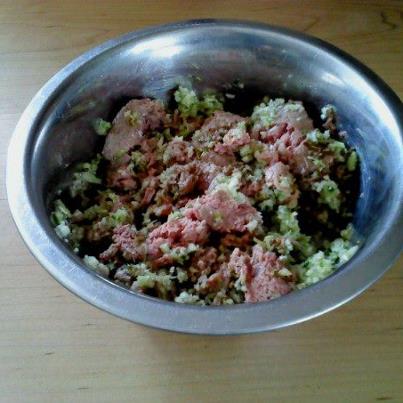
RAW FEEDING AND RESISTANT BACTERIA
A recently published study shows that dogs fed a raw diet shed more anti-microbial resistant Salmonella and E. coli than dogs fed on other diets.
Anti-microbial resistant bacteria present a real threat to human and animal health. The study made no suggestion that dogs were more likely to become ill from these bacteria if raw fed, but it does raise concerns that these bacteria could cause difficult to treat infections in people, particularly those with weakened immune systems.
HOW RAW DOG FOOD CAN INFECT PEOPLE
The risks to human health from raw feeding dogs are two-fold.
- Contamination when preparing raw dog food.
- Ingestion of bacteria from dog faeces.
REDUCING THE RISK OF INFECTION FROM RAW DOG FOOD
Raw dog food should be stored and prepared separately to human food.
Different, clearly marked utensils should be used for pets and people.
Raw food should be obtained from reputable sources.
Pet owners should consider wearing gloves when preparing raw food.
Pet bowls should be cleaned after each meal with hot water and detergent. Pet safe disinfectant may be useful for chopping boards and utensils.
IS RAW FEEDING SAFE FOR MY DOG?
Most dogs are able to eat raw food. Dogs are less likely to suffer from digestive upsets from raw food than humans due to their short digestive transit time and a robustness immune system.
The current study does not suggest that raw fed dogs are more likely to suffer from anti-microbial resistant bacteria than dogs fed other diets.
Raw diets must be carefully formulated to avoid nutritional excesses and deficiencies.
Feeding whole bones carries a risk of dental damage and obstructions of the throat and digestive tract.
Raw feeding should be avoided in dogs with a weakened immune system. This may include elderly pets and those on certain medications. If you prefer to feed a fresh diet, a home cooked one may be safer for these pets. If you are unsure if a raw diet is suitable for your dog please seek advice from a holistic vet.
IS RAW FEEDING SAFE FOR MY FAMILY?
Families with immune compromised members should avoid raw feeding their dogs.
Families with raw fed dogs should practise very good hygiene. Hands should be sanitised after picking up faeces and washed after handling dogs as microscopic particles of faeces can contaminate the coat. Allowing dogs to lick hands and faces should also be discouraged. However, these hygiene rules should be followed by all pet owning households!
Charities that take dogs into schools and hospitals may not allow raw fed dogs to take part.
Veterinary practices may employ barrier nursing for raw fed pets (and may charge additional fees for this).
FOUR SEASONS HOLISTIC VETERINARY CARE AND RAW FEEDING
We continue to support pet owners in a variety of feeding plans including raw, home cooked, and commercial wet and kibble food. We do not believe that one diet suits all pets or pet families.
This study does not change our advice significantly, but we are always happy to talk to pet owners about a suitable diet.
If you wish to read the study follow this link: https://onlinelibrary.wiley.com/doi/10.1111/jsap.13488
THE COST OF PET CARE

PET CARE COSTS ON THE RISE!
Lots of people bought pets during lockdown, and they have brought untold benefits in terms of companionship and exercise during these very difficult times. Unfortunately the aftermath of Covid-19 along with Brexit and the invasion of Ukraine, is that there is a huge cost of living crisis looming… and it affects pet care as much as everything else.
SAVING MONEY ON PET CARE
- BUY IN BULK. If you can afford to buy larger amounts of pet food this will usually be less expensive. Choosing a cheaper brand may not be cost effective as you often need to feed more per meal so look at the per meal cost as well as the price per bag. Only buy as much as you will use before the food goes out of date.
- KEEP ON TOP OF VACCINATIONS AND PARASITE CONTROL. Cutting corners on preventative healthcare often costs more in the long run. Some owners chose cheaper flea treatments to save money when furloughed then faced an uphill struggle to control a flea infestation. Unless your pet is at high risk of adverse reactions to vaccines it will be less expensive to follow the vets programme than using titre tests to check protection.
- ASK ABOUT A PRESCRIPTION. Written prescriptions allow your to buy medications on-line from pharmacies. You will be charged for the prescription but will still be able to make savings on some parasite prevention products and medications. Vets will have individual policies on how many times you can use a prescription and how often your pet will need a meds check.
- INSURE YOUR PET. Insurance is a monthly bill you may think about dropping, but can you afford to care for your pet in an emergency without it? Ask if there are any areas of cover that can be removed to reduce the premium, or offer to pay a higher excess. Make sure you have the excess available, and remember that some specialist centres require payment at the time. A credit card is useful for this as you can pay it off as soon as the insurance pays out. Alternatives to insurance including making a pet savings account, but this may not have enough in if your young pet becomes ill.
- JOIN A PET HEALTH CLUB. Many veterinary practices have pet health clubs where a monthly fee pays for reduced cost parasite control and vaccines and unlocks other freebies and discounts.
- DON’T DIY. If you are concerned about your pet’s health, even if you are also on a tight budget, please seek veterinary advice. Although there is good information on the internet vets also see too many pets who have been damaged through the use of human medicines or delayed treatment.
Four Seasons Holistic Veterinary Care is a referral only service and we can only offer advice to registered and referred clients. We are a very small business and are not able to offer any credit on our services.
TRAINING IS LIFE!
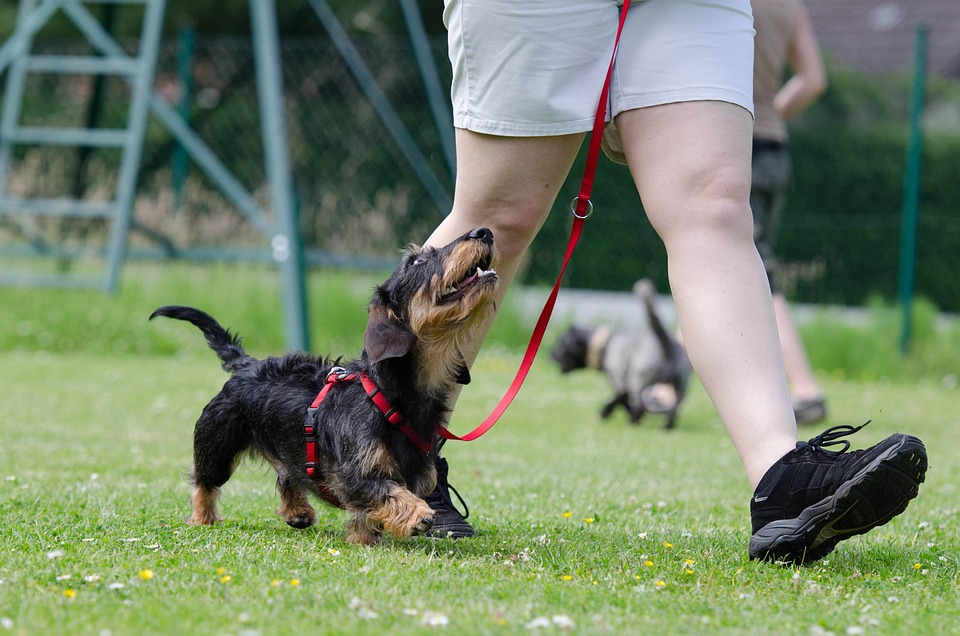
WHAT’S WITH ALL THE TRAINING? LET DOGS BE DOGS!
I follow lots of positive reinforcement and force free dog trainers and behaviourists on social media. Some of them produce the most amazing content which I share, and there are always new ideas to be picked up. But not everyone following them is a fan. On one post about a training exercises and owner commented, “why are you always training your dogs?” She said she hadn’t trained her dog at all and he was just naturally well behaved. “Why,” she asked, “should I tell my dog what to do all the time? We just love walks and hanging out. He chased a deer once so we keep him on the lead near them now.” On a gundog training group a new puppy owner asked, “When should I start training my puppy? He is 10 weeks old.” The first answer was, “I don’t train my puppies until they are 6months old.”

ALL DOGS NEED TRAINING!
Were these people lying? No. They just have a different definition of training to me. But the idea that they haven’t trained their dogs is just nuts!
Take the first lady. She definitely doesn’t just allow her dog to be a dog. Just being a dog would mean he slept where he wanted, took any food he found, toileted when and where he chose, and explored the world at will. She has taught her dog to walk on a lead without pulling, and to come back when called (unless there are deer about!). Indoors she has set out the ground rules about where the dog can go, toilet trained the dog, taught food manners, and a host of other things that make her dog nice to be around. She just doesn’t call setting some basic rules on good manners and teaching them to the dog ‘training’. But it is! Her dog can only ‘relax and be a dog’ because he has been taught the rules that allow that to happen.
Take our gundog guy. If the novice follows his advice to the letter he will be looking for someone like me to help him out when his 7 month old Cocker is a self-employed hunting machine and menace to all furred and feathered creatures. The gundog guy means that he doesn’t start formal training until 6 months. The gundog guy doesn’t call rolling socks along the floor for his puppy to fetch, using a whistle to call the pup in for his grub, waiting until the puppy sits before feeding him, or playing tennis ball hide-and-seek in the long grass training. But that is exactly what it is.
WHEN SHOULD I START PUPPY TRAINING?
Before your puppy comes home agree a list of ‘ground rules’ with the other people in your house. Agree the words you will use as cues for your puppy, and ask the breeder what cues they have already introduced (a puppy from a good breeder will come with some basic training already started!).
As soon as your puppy is home use food and toys and the comfort of being near you to start moulding their behaviour to fit your ground rules. But be flexible… you aim might be for your puppy to sleep in the kitchen on their own, but they might need you closer for their first few nights.
TRAINING IS LIFE, AND LIFE IS LEARNING.
From the minute your puppy opens their eyes, to the minute they fall asleep they are learning, so you are training! If you aren’t helping your puppy to learn the right behaviours by setting them up for success, you are making lie harer for both of you in the long run.
Training isn’t just sit, stay, come, give paw and roll over. The best owners help their puppies to learn self control and life-skills as well as following cues.
LIFE LONG LEARNING FOR DOGS- RESOURCES
We highly recommend enrolling in a puppy class either in person or online. Choose a trainer who uses positive methods (they may call themselves positive, fear free, force free or similar).
You might also enjoy the following books:
Mission Control – Jane Ardern: a book that uses fun games to help dogs learn self control.
Life Skills for Puppies – Helen Zulch and Daniel Mills: how to have a dog that fits into the modern world.
Easy Peasy Puppy Squeazy – Steve Mann: A very easy to read, and funny, guide to understanding and training your puppy
PUNISHMENT SUCKS FOR PUPPIES

HOW DO I STOP MY PUPPY BITING?
It’s a common question on dogs forums on the internet, I have seen it several times this week. I have seen some great blogs and videos on puppy biting from award winning trainers, and I post links to them. But still, most of the replies are,
“I shook a can of stones at my puppy and he stopped.”
“I sprayed my puppy with water!”
“I’ve seen a TV show where he shouts ‘No’ and the puppy stops. You just gave to show them who is boss.”
Urgh.
Let’s ask a new question…
WHY IS MY PUPPY BITING ME?
THIS is the question that an emotions based behaviourist asks. Is the puppy frustrated, over-tired, teething, or just doing puppy play with its humans? Or did you buy a dog bred to love biting?!
Once you know why the puppy is biting you can set about fixing it.
Frustrated puppy: change the game, teach an alternate behaviour, go back a step with your training, make sure all his emotional needs are met.
Over-tired puppy; make sure he isn’t getting too much exercise, avoid too much stimulating play before cuddle time, make sure he gets to rest during the day.
Teething puppy: redirect chewing on to frozen rope raggies, carrots, or teething toys.
Puppy play: play between puppies is bitey! Redirect your puppy onto toys, show him that play with humans can’t involve teeth.
Bought a Malinois: seek advice on putting the bite on cue and games that will provide an appropriate outlet for the biting behaviour he loves!
WHY DOES PUNISHMENT SUCK?
If you punish the puppy with a spray bottle or a rattle can, and it works (because your puppy bites less) have you fixed the problem? No. Because the puppy still feels the things that lead him to bite in the first place.
If he is frustrated he might hold back before biting harder. If he is teething, he will go off and chew up your stuff. If he is over-tired he will develop a new coping strategy which could be destruction or howling. If it’s play, or his built in drives then you will build more frustration. You will have a dog that looks obedient, but is not happy.
The same goes for a growling dog… punish the growl, take away the warning system, get a dog that just bites because he still feels the same way. Or worse, because the person he trusted has scared him (or worse).
NO NO. OR NO, BUT…
‘No’ can be a dirty word in positive dog training! But honestly, we all use it from time to time! The trick is to say ‘No, but’. To show you dog a different behaviour, that you like, that he likes, that you can praise him for!
So, next time your dog is doing something you don’t like, don’t ask ‘How do I stop this?’ ask ‘Why is my dogs doing this?’, then ‘What could I get my dog to do instead which we both like?’
WANT TO KNOW MORE?
Our Vet Vicky hold the COAPE Level 6 Diploma in Companion Animal Behaviour and Training. COAPE teach about animal emotions in behaviour and training, resulting in methods of fixing problem behaviour that really lead to happier pets, and owners. COAPE offer courses for pet owners, vet nurses, vets, trainers, and aspiring behaviourists!
DOG BEHAVIOUR HACKS
HOW DO I STOP MY DOG BARKING AT THE DELVIERY PEOPLE?

THE PROBLEM
Covid-19’s stay at home message and the closing of non-essential retail means that more people are getting shopping delivered to their homes than ever before. This means more delivery people coming to the door, knocking or ringing a bell, and sending dogs into a fury of barking. Barking at the Postie has always been a common problem, but with more people at home all day to hear the barking it may now be more of a problem than ever.
WHY DOES MY DOG BARK AT THE DELIVERY PERSON?
Dogs may bark when the door is knocked or the doorbell rung because they excited at the thought of a visitor, or, more often, because they are worried about a stranger entering their home. Despite barking at the door being a big ‘pet peeve’ for many owners, it is a behaviour that humans admired in early dogs. One of the first jobs which dogs had was barking to alert people to threats.
So, the dog barks to alert people to the potential intruder. If people are at home, they often shout at the dog. But the dogs may see this as joining in, rather than a reprimand. If there is nobody at home the dog barks and the delivery person leaves. In both cases the dog gets a reward! The people join in the barking reinforcing the dog’s opinion that barking is the right thing to do, and then the ‘threat’ goes away! The dog feels better and that behaviour becomes more likely next time.
HOW DO I STOP MY DOG BARKING AT DELIVERIES?
THE HARD WAY
It is possible to teach the dog an alternative behaviour when the door knocks. First, teach your dog to ‘go to bed’. Next have someone knock the door or ring the bell (or record the noise on your phone) before asking the dog to ‘go to bed’. Reward when he does. Over time the door knock/bell will replace you saying ‘go to bed’ and will cue the dog trotting off to his bed. This works really well for dogs that get over the top with visitors.
It is also possible to keep some of the barking by putting that on cue. Say ‘speak’ then trigger your dog to bark, join in and be very excited! Then stop and wait for your dog to stop too. As he does, say ‘quiet’ and give a food reward. If you train this well it is possible to start and stop your dog barking which is great for security, if you feel unsafe just ask your dog to speak!
The trouble with these approached is that if you aren’t there for a door knock the dog may not choose the ‘bed’ behaviour or controlled barking, and won’t be rewarded for it. It may be hard to avoid deliveries during the time you are retraining your dog.
THE EASY WAY
Move to the Falkland Islands as they do not have a postal delivery service. If that isn’t practical, remove the delivery people from your doorstep. Instead of having a letterbox on your front door, place a mailbox on your property, but as far from your door as possible. For parcels, you can buy lockboxes which also reduce the risk of theft.
For specific problem behaviours please contact us by email to arrange an appointment. Be aware that until June 2021 we are not able to undertake home visits. health@holisticvetsussex.co.uk
IS YOUR DOG ON THE NAUGHTY LIST?

THERE ARE NO NAUGHTY PUPS!
Christmas is one of the rare times when there is enough time for a busy veterinary herbalist and behaviourist to sit down and watch a film. And one of my favourites is ‘Fred Claus’. If you haven’t seen it I won’t spoil the whole film, but it all comes down to whether Fred deems the children ‘naughty’ or ‘nice’. Fred realises that the ‘naughty’ children aren’t naughty at all… they are scared, lonely, bullied, acting up because of their circumstances. And I feel the same about dogs.
WHY IS MY DOG ACTING UP?
When assessing a dog with a problem behaviour I have a lot of questions.
Where was he born? How was he brought up? Fred in the movie feels overshadowed by his saintly older brother. Puppies don’t come as blank slates, their behaviour can be influenced by their breed, their parents’ temperament, and their early life experiences. Sometimes people just expect too much; a retriever puppy is going to retriever, just like a four year old kid is going to sit up watching for Santa.
Could he have a medical problem? Over 70% of dogs at a top behaviour center have pain making their behaviour worse! Arthritis, gut problems, ear infections, sight issues are amongst the things I will be ruling out. Sometimes if we fix the health problem, the behaviour returns to normal.
What’s going on at home? In the film, poor Slam ends up at the top of the naughty list for fighting in the children’s home. But poor kid, he doesn’t have the love and structure he needs. The same goes for dogs, many have struggled to cope with the changes that Covid-19 has brought to their lives, and have had added stress at times like fireworks season and Christmas. A stable routine and a safe space to retire to when it all gets too much could be just what your dog needs.
HOW TO LIVE ‘HAPPILY EVER AFTER’
Does the film have a happy ending? Of course. Everyone learns the true meaning of Christmas and Slam gets his Christmas wish (a puppy! I know, don’t get me started on that one). So how do we make sure the ‘problem dogs’ get a fairytail ending?
Choose the right dog: explore your chosen breed or types history, exercise requirements, temperament, and grooming needs. Gundogs are going to retrieve everything, terriers like to rip stuff up, toy dogs want human company, ‘doodles’ need professional grooming every 6 weeks…
Choose the right breeder or rescue: expect to be asked a lot of questions and don’t be upset if it is decided you aren’t right for a particular dog or puppy. Never be rushed into a decision and make sure you have support after you take your new friend home.
Train! Your new dog needs to have clear rules from day 1 and you need to teach him what’s allowed and when. There are many great trainers offering on-line courses when physical courses aren’t possible. Training is not a 6weeks and done thing, it is an everyday all of life thing, and it should be great fun!
Vets: your dogs should visit the vets once or twice a year for a health check even if he is well. Catching health problems early reduces the chance of problem behaviours starting.
Never forget your dog is a dog. It can be hard to be a dog in a human world, so if they are heading for your ‘naughty list’ take a step back and you might just find they need a bit of understanding.
That’s Four Seasons Holistic Veterinary Care signing off for 2020. We’ll be back on 5th January ready for whatever challenged 2021 brings. But first, A Muppet Christmas Carol, mulled wine, and a mince pie!
May your Christmas be safe and peaceful.
THE FIRST RULE OF RECALL

HELP, MY DOG HAS LOST HIS RECALL!
This is a story about me, my dog, and the first rule of recall.
We went to the beach, me and my five dogs. The beach at low tide is fun time. There is no real training, there are very few rules. The dogs can run, play, swim. They need to come back when I ask so that they don’t scare kids, annoy dogs on leads, or chase sea gulls.
When the senior dog chose scavenging on the stone instead of paddling I was cool with that, we could see each other and the beach was pretty empty. As we approached a busier but of beach I called him, he looked at me, then chose to keep mooching up the beach. I called again, and whistled. He moved away. I tried a stop whistle…he moved further away. He looked concerned. I ran up the beach, not to chase him but to try and cut him off. He looked very worried. I am now calling him like some demented banshee, not an experienced dog trainer and behaviourist. I wave the treat bag…nothing.
I now tell him to “go and love himself” (or word to that effect!) and head off down the beach to give the rest of the crew some snacks. This has the desired effect and down comes senior spaniel in that crabby posture that means ‘don’t beat me’. He doesn’t get beaten, but all spaniels know this pose.
I am fuming. This is not the relaxed beach walk I wanted and my reliable old boy is being an idiot. So what do I do? I take a deep breath and do ‘The First Rule of Recall’ I pop him on the lead and I tell him he’s a good boy, and he gets some treats. We walk a while with him on the lead, then do some short freedom and recall and reward practises. But what went wrong?
HOW TO KILL YOUR DOG’S RECALL
I can guess what happened. Senior dog has been allowed to run free on walks with my other half. Sometimes he goes on a spaniel mission and chases a duck, eats some bits a hawk has left behind. Sometimes he doesn’t listen when he’s called. After all, why would he come back? Mr Owner doesn’t have a ball, doesn’t have treats, puts him on the lead and takes him home. Senior dog is having a much better time making his own games with the ducks and his own snacks of bits of dead rabbit. Senior spaniel can hear Mr Owner getting cross (Mr Owner is going to be late for work now) and eventually he goes back. Mr Owner tells senior spaniel off and route marches him home. Fun? No.
What has senior spaniel learned? To avoid going back because it ends the fun and gets you shouted at.
HOW TO FIX YOUR DOG’S RECALL
The First Rule of Recall
No matter how cross you are, how later you are, how embarrassed you are, when your dog comes back pop their lead on and then reward them. If they have ignored multiple recall cues, this can be low key. A ‘good boy’ and a low value treat. But NEVER punish them. If you shout, or worse, you are only punishing your dog for coming back. He can’t understand you are punishing him for ignoring you. Punishing the dog when he is back with you makes a good recall next time LESS likely.
As you walk along with your ‘naughty’ dog on his lead, think about why this happened.
Have you regularly made coming back more rewarding than not coming back? If you only call your dog up to stop him saying hello to another dog, leaping into a stinky bog, or to go home… you are the fun police. Spice up the recall reward, even with older dogs. Sometimes recall for a game, sometimes for a treat, sometimes for a bit of lead walking before getting let off to run again. Try to recall your dog before they are self rewarding with a game of chase the squirrel and make sure what you have on offer is just as much fun. Occasionally add a jackpot recall reward like a big juicy sausage! Think about adding a clear cue such as a whistle that can never sounds cross and will carry a long way.
ALL’S WELL THAT ENDS WELL
The rest of our walk was better. Senior dog got fishy snacks for staying with me and Mr Owner will be given some rules on what to do when he walks senior dog! Training is never over…
HELP WITH RECALL
If your dog has a recall problem there are lots of exercises that can help improve things. We offer one-to-one training sessions for minor training issues like this (but places are limited in the winter months) at £50 for 45minutes in our field. Please email health@holisticvetsussex.co.uk for information and booking.
APPOINTMENTS AVAILABLE!

The return to lockdown means that all the bookings Vet Vicky had to work and compete her dogs have been cancelled until at least December. This means our diary is suddenly a bit empty.
We are not as restricted in the services we can offer during this lockdown so we would love to see some new patients for acupuncture, behavioural assessment, and holistic consultations. We are happy to offer phone or WhatsApp consultations for some behavioural issues, holistic consultations, and puppy support.
Email health@holisticvetsussex.co.uk for information.
Use us or lose us!
IS YOUR PET AFRAID OF FIREWORKS?

MY DOG HATES FIREWORKS – LET’S BAN THEM!
Urgh, it’s that time of year again. Firework petition season. Now, don’t get me wrong, I have serious reservations about people with no pyrotechnical training being able to buy industrial fireworks to let off in their backyard, but I think the focus of pet owner’s energy is in the wrong place.
I fully support calls for fireworks to be restricted to organised displays. The event can be advertised in advance, animal owners (and those with babies, PTSD, or who just hate fireworks) can make arrangements, and let’s be honest the displays are just a whole lot better and safer. But this still leaves a problem; what to do with the pets who are scared of fireworks.
HELPING YOUR PET COPE WITH FIREWORKS
It might seem tardy to post this after Bonfire Night…but 5th November is just the start of the fireworks season (unless you live in East Sussex where we have a big display somewhere every weekend from September to December in normal years!). Fireworks are an important part of Diwali, Christmas, and New Year events. And this year, with organised displays likely to be banned, there will be more unpredictable home displays.
HELPING YOU PET WITH FIREWORKS NOW
Walk dogs in the daylight and get cast indoors before dusk. Move outdoor caged pets inside.
Use curtains to muffle sounds and light and keep indoors well lit.
Mask noises with music or the TV.
Make your pet a secure snuggly den to hide in.
If your pet wants to snuggle up for a cuddle, let them. If they need to roam the house, let them do that instead.
Distract your pet with a game, tasty treats, or some training.
Contact your vet for calming pheremones, supplements, or medications.
HELPING YOUR PET WITH FIREWORKS FOR THE FUTURE
This is where I get frustrated. Every November there are hundreds of posts about pets being scared of fireworks. Yet how many of these pets get help from a behaviourist? I have only worked with one noise phobia case this year (he’s doing really well with a combination of more interesting walks, medication when required, and a new surround sound TV!). Whilst I don’t promise your dog will react like my spaniels (bang = where is the thing to fetch) it is possible to reduce the fear felt by most dogs through counter conditioning and desensitisation, and to come up with medication protocols for those who remain distressed.
PREVENTING FIREWORK FEAR IN YOUR NEXT PET
Look for a breeder who habituates their puppies or kittens to noise from an early age. I play my puppies CDs of fireworks, gunshot, traffic, babies….everything! This continues most days until they are at least 6 months old. I often play noises when they are eating or doing some training. As my pups get older I play the noise CDs less often, but often enough that they stay unconcerned. If they show any anxiety the volume goes down and I pair the noise with play or food. If a bang means sausage is coming it is much harder to stay worried about bangs!
Due to Covid-19 restrictions cancelling all our planned gundog work for November we now have extra appointments available. We are happy to do phone and WhatsApp consultations for noise phobias now which can be followed up with home visits next year.
Contact us at health@holisticvetsussex.co.uk for a referral form and prices.